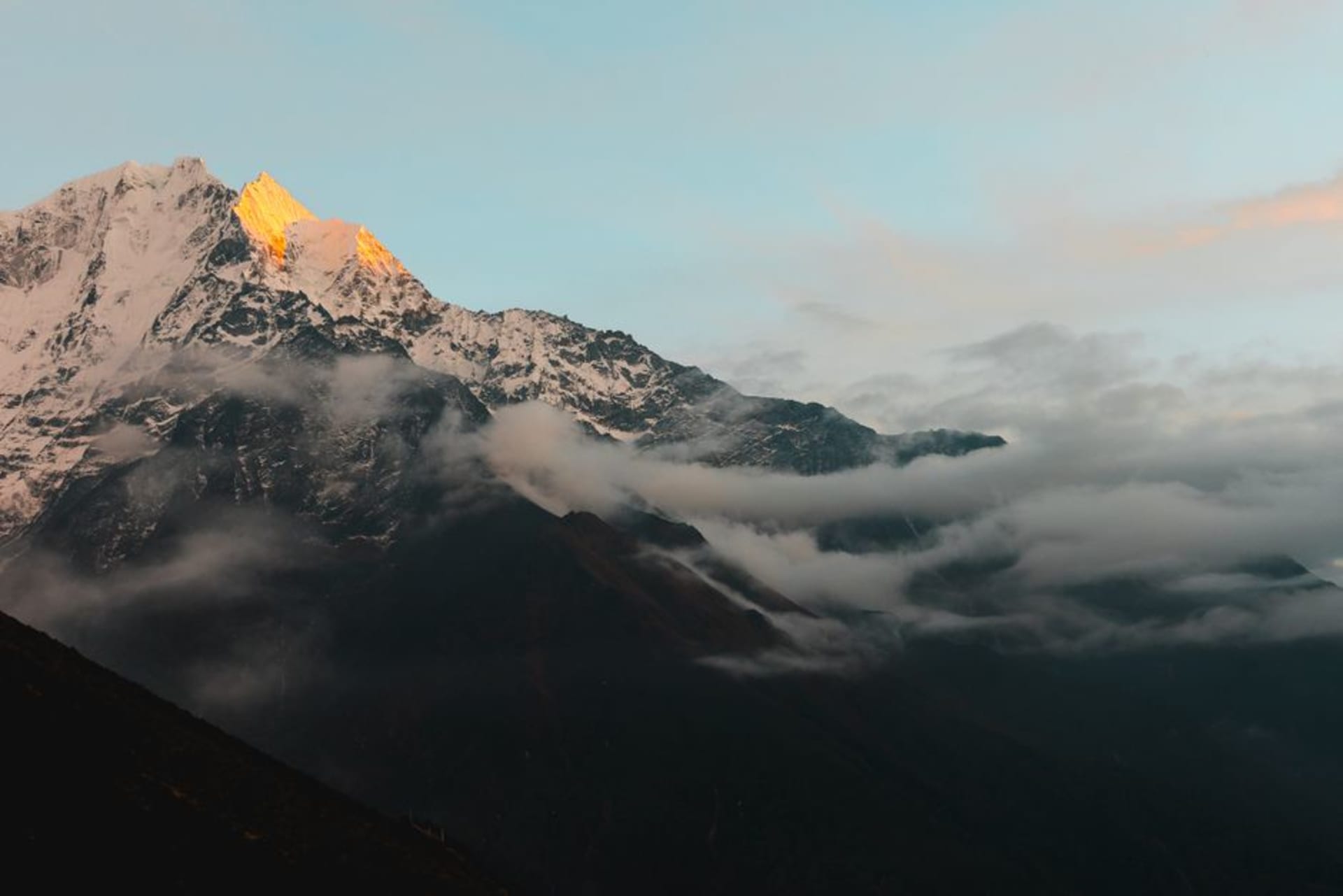
Tengboche
"Tengboche is where the Everest trail stops being a hike and briefly becomes a pilgrimage."
A ridgeline monastery village with what might be the single best mountain panorama on the entire Everest trail, and a monk's chant that follows you back down the hill.
The climb up to Tengboche from the Dudh Kosi is brutal in a way nothing before it has been — a steep, switchbacking ascent through rhododendron forest that gains nearly 700 meters in a few hours, arriving right when the body is starting to feel the altitude in earnest. I remember stopping every twenty minutes, hands on knees, cursing the trail designer who apparently never considered mercy. Then the forest opened onto the ridge and Ama Dablam appeared directly ahead, close enough to feel like a private introduction, and the climb justified itself completely.
The Monastery on the Ridge
Tengboche Monastery, rebuilt after a 1989 fire destroyed the original, sits at 3,860 meters on a saddle between two valleys, and it’s the spiritual center of Sherpa Buddhism in the Khumbu. We arrived in time for evening puja — monks in maroon robes chanting in a low unison that filled the wooden hall, punctuated by long horns and cymbals — and sat at the back with a dozen other trekkers, none of us quite sure of the etiquette but all of us silent regardless.
The View That Stops Conversations
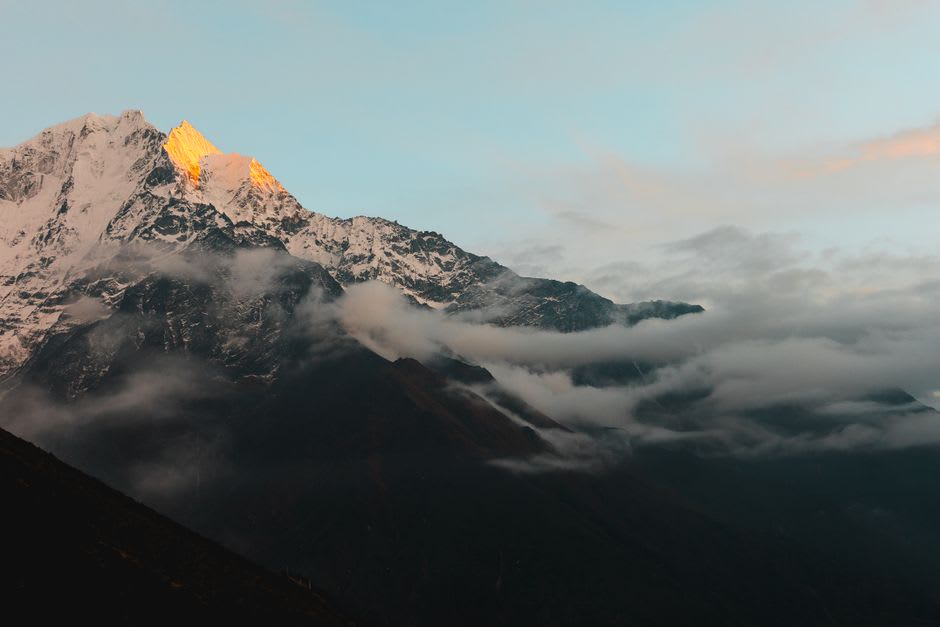
What makes Tengboche remarkable isn’t only the monastery — it’s the fact that the village sits at the one point on the trail where Everest, Lhotse, Nuptse, and Ama Dablam are all visible simultaneously, arranged around the ridge like a diorama. Lia and I got there in clear October light and just stood at the edge of the courtyard for a long time, neither of us saying much, which for us is unusual.
The Cold Nights
Tengboche’s altitude means the nights get seriously cold, and the dining hall — heated by a single stove fed with dried yak dung — becomes the social center of the entire village each evening, trekkers from a dozen countries packed elbow to elbow trading trail stories until the fire burns down and everyone retreats to sleeping bags.
When to go: October and November deliver the clearest mountain panoramas and coincide with the Mani Rimdu festival in some years, a major monastic celebration worth timing a trip around. Avoid deep winter (December–February) unless you’re prepared for serious cold at altitude.