Sindhuligadhi
"Sindhuligadhi is a battlefield that has gone almost entirely back to grass, which somehow makes it more affecting, not less."
A ruined hilltop fort on the old trade route between Kathmandu and the Terai, where a single 18th-century battle against the British East India Company is still remembered as a founding act of Nepali resistance.
I ended up at Sindhuligadhi following a stray comment from a history teacher I’d met on a bus, who mentioned it as the site of the 1767 battle where Nepali forces, still consolidating under Prithvi Narayan Shah, decisively repelled an East India Company expedition sent to prop up a rival king. It is not a place that appears on many tourist maps, and getting there — a rough, winding road east from the Kathmandu-Terai highway — took longer than I’d planned, which felt appropriate for a site so thoroughly overlooked.
The Fort That Grass Reclaimed
What remains of Sindhuligadhi is not dramatic in the way a European castle ruin is dramatic. The old stone ramparts trace the top of the ridge in long, low, grass-covered lines, punctuated by a restored gate and a scatter of cannon replicas, but most of the fort’s footprint has simply returned to pasture. Goats grazed along what would have been the defensive perimeter. I found something genuinely moving in that — a decisive moment in Nepali history, folded quietly back into the hillside rather than fenced off and monetized.
The View That Explains Why Here
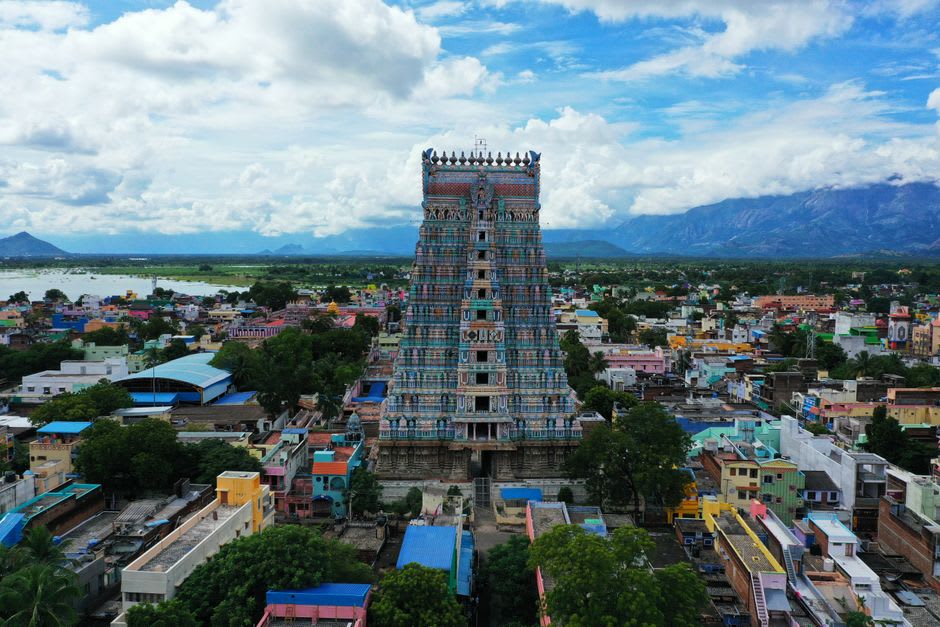
Standing at the highest point of the ramparts, the strategic logic of the site becomes obvious — this ridge commanded the old trade and pilgrimage route linking the Kathmandu Valley to the Terai plains and onward to India, meaning whoever held Sindhuligadhi effectively controlled a critical artery of commerce and movement. A small, dusty museum near the fort entrance holds a handful of period weapons and a hand-painted mural depicting the battle, tended by a caretaker clearly gratified that anyone had bothered to stop.
Tea With the Caretaker
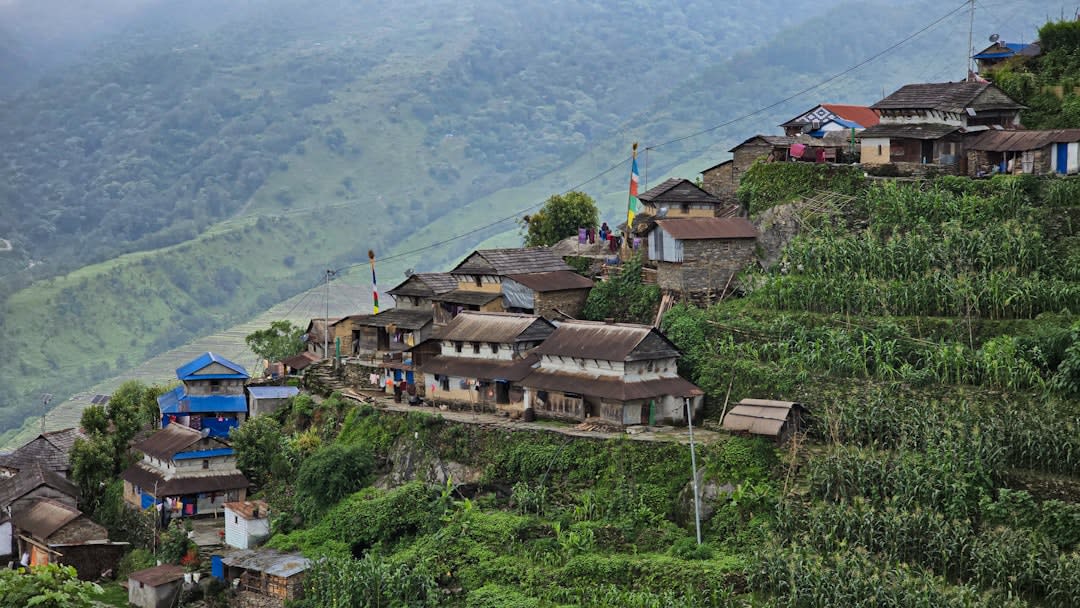
He made us tea on a small kerosene stove in the museum’s back room and talked, in halting but determined English, about how few visitors — Nepali or foreign — make the detour anymore. Lia asked if that bothered him. He shrugged and said the mountain remembers even when people don’t, and went back to sweeping the floor of the single exhibit room.
When to go: October through March for clear, dry conditions on the access road and ridge trail, which turns difficult and slippery during the June to September monsoon. There’s little shade at the summit, so an early morning visit avoids the worst of the midday sun.
Keep exploring
More from Nepal
 nepal
nepal Sing Gompa
A single-street cheese-making hamlet on the ridge between Langtang and Gosaikunda, where a Swiss-founded dairy has been turning yak milk into surprisingly good cheese since the 1980s.
Explore nepal
nepal Suklaphanta National Park
A far-western grassland reserve holding the world's largest population of swamp deer, wide open plains that feel more African savanna than Himalayan foothill.
Explore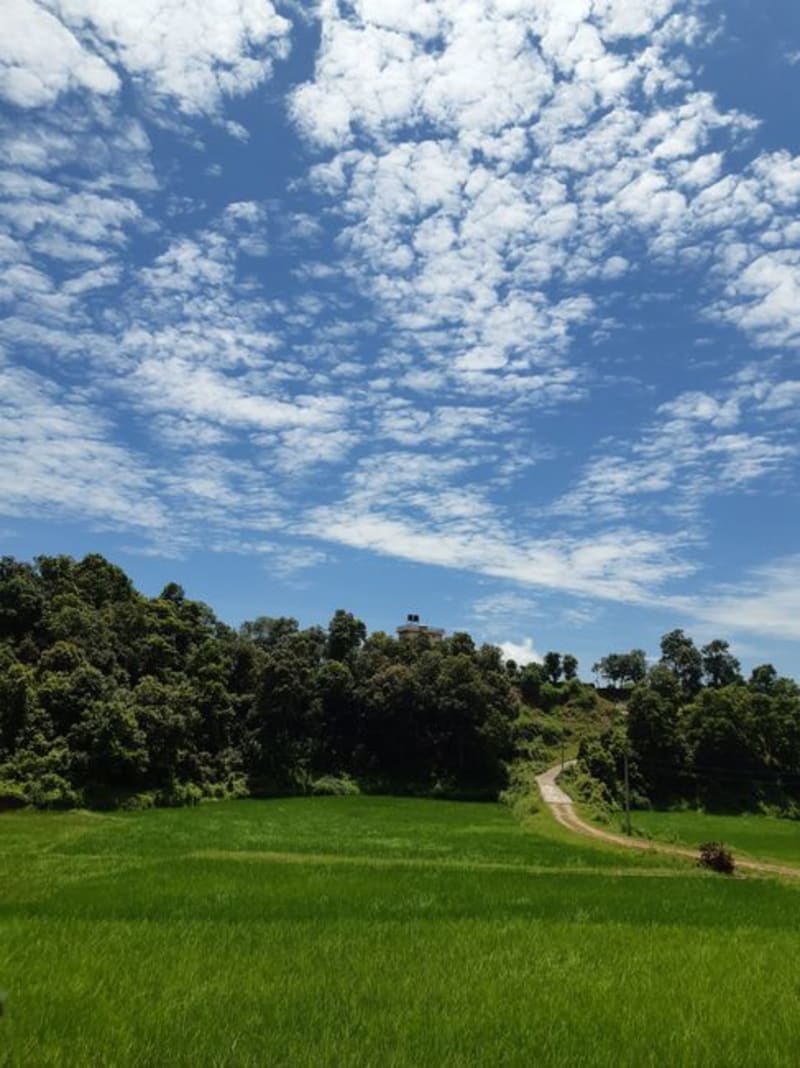 nepal
nepal Surkhet
The unglamorous mid-western hub valley that everyone passes through on the way to Humla or Jumla, and that turned out to be worth a day of its own.
Explore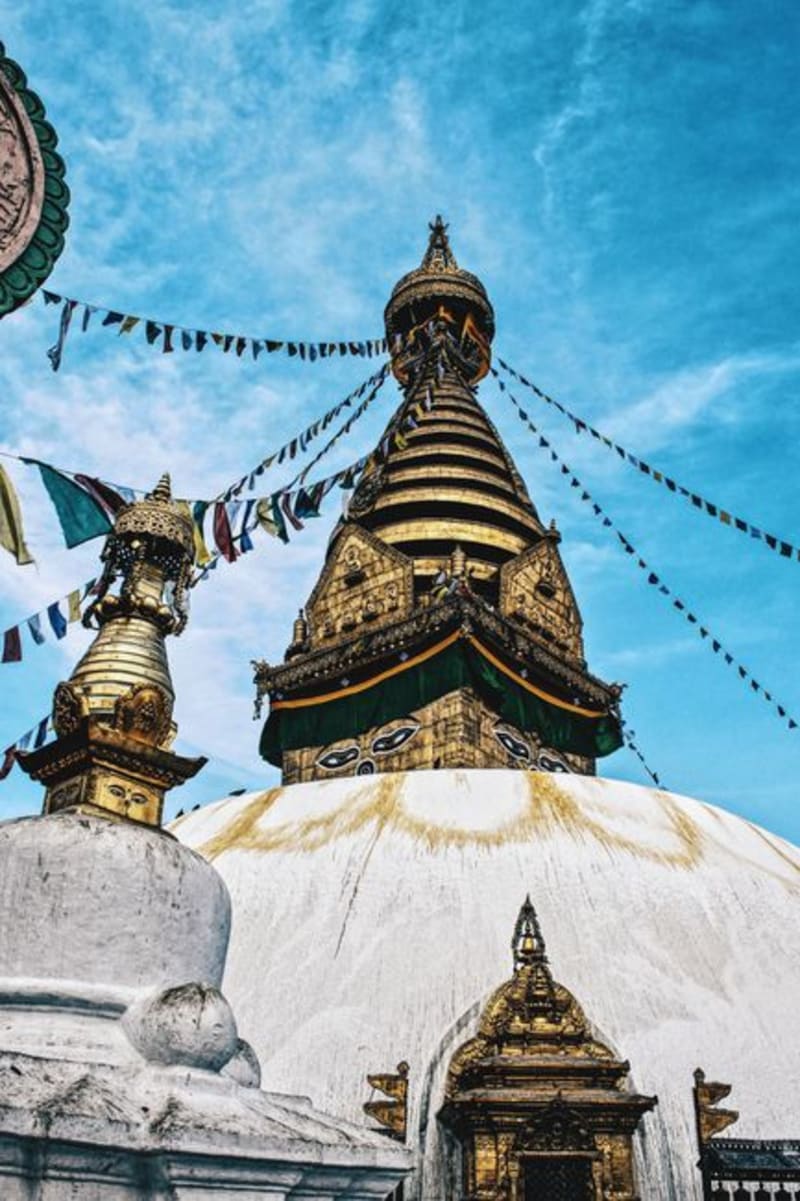 nepal
nepal Swayambhunath
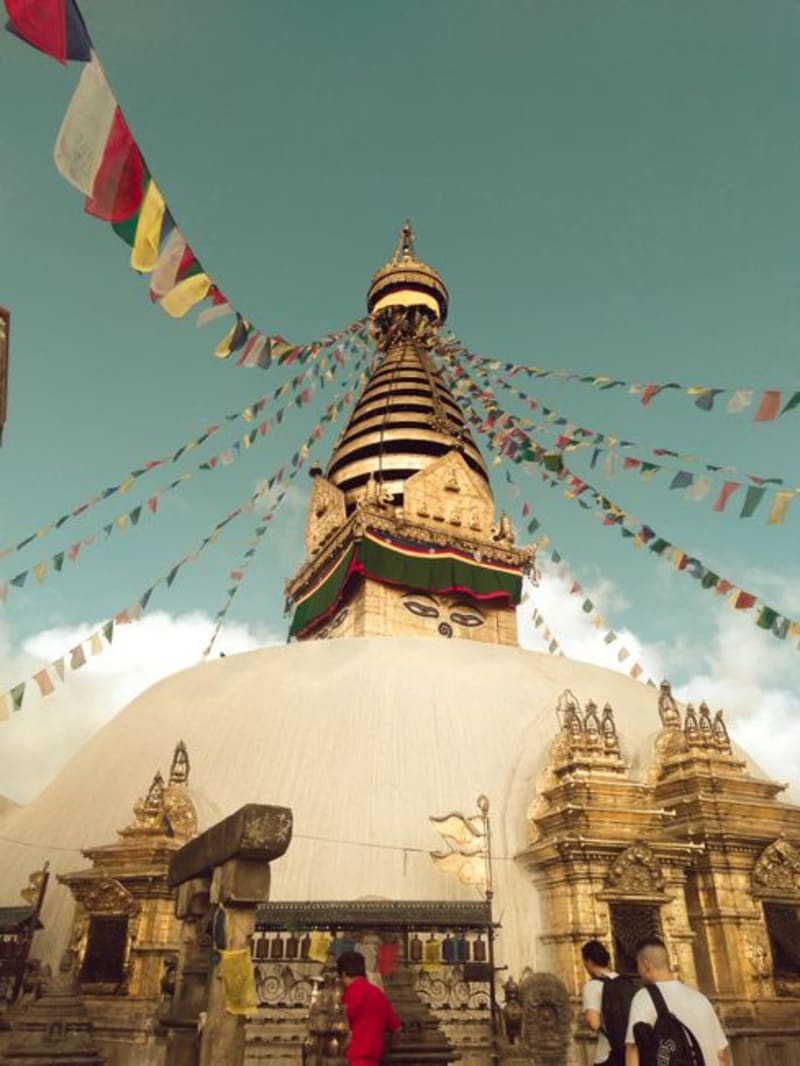
The hilltop stupa Kathmandu calls the Monkey Temple, 365 steps up to a panorama shared with rhesus macaques and pilgrims.
Explore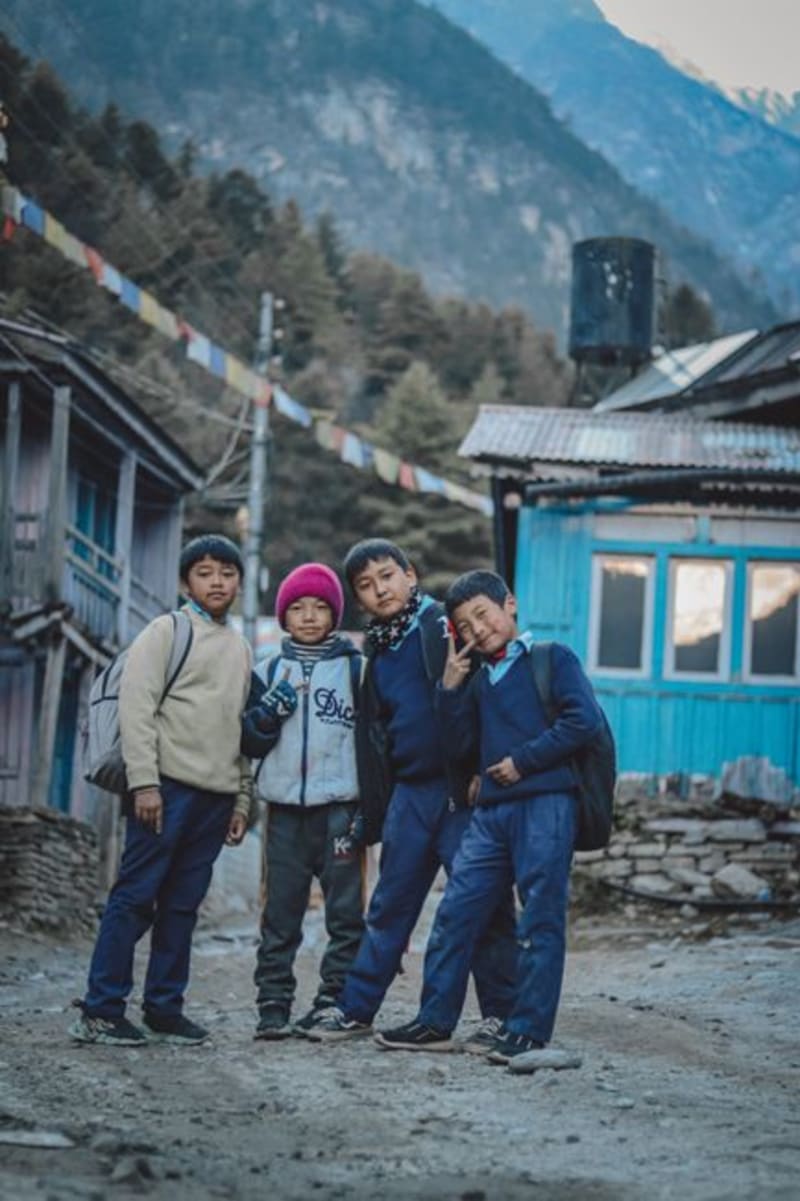 nepal
nepal Syabrubesi
The dusty trailhead town on the Tibetan border road where the Langtang trek actually begins — half transit hub, half last-chance outfitting stop, all business before the mountains take over.
Explore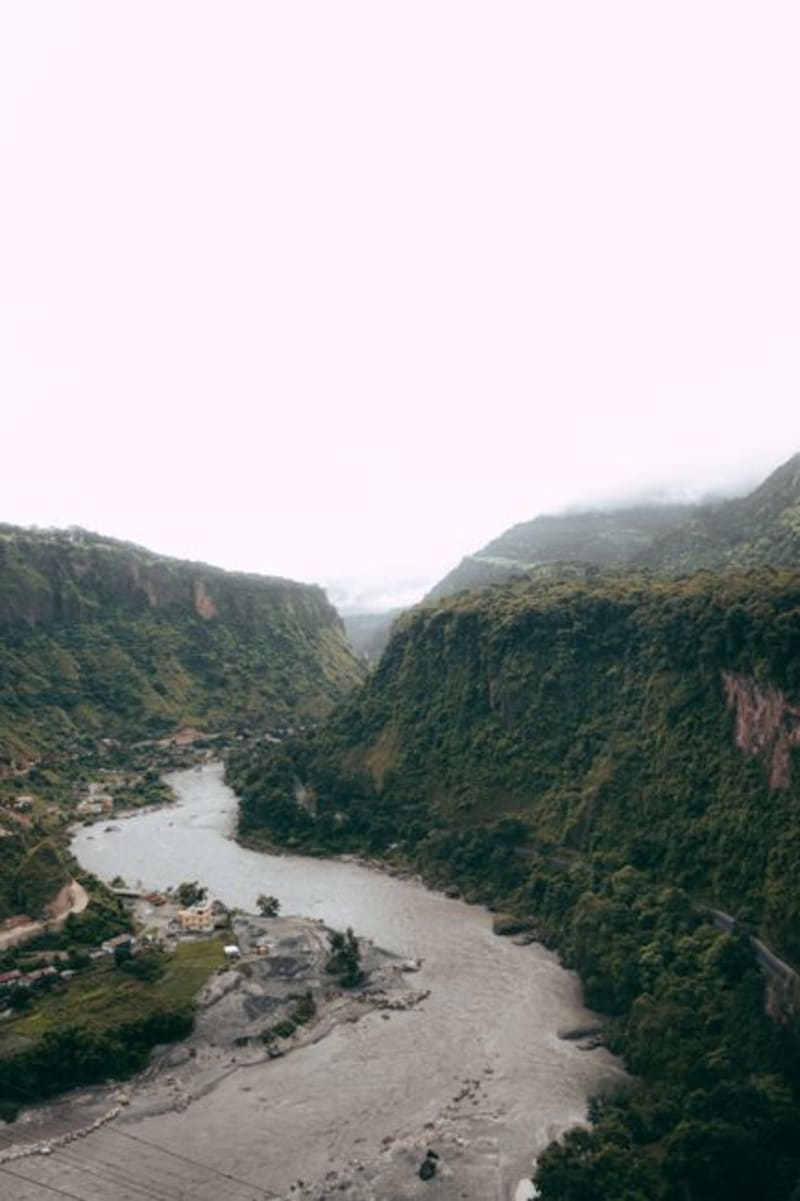 nepal
nepal Tansen
A Newari hill town in western Nepal, once the seat of the Magar kings, now a maze of red-brick lanes and umbrella workshops that tourism has barely touched.
Explore