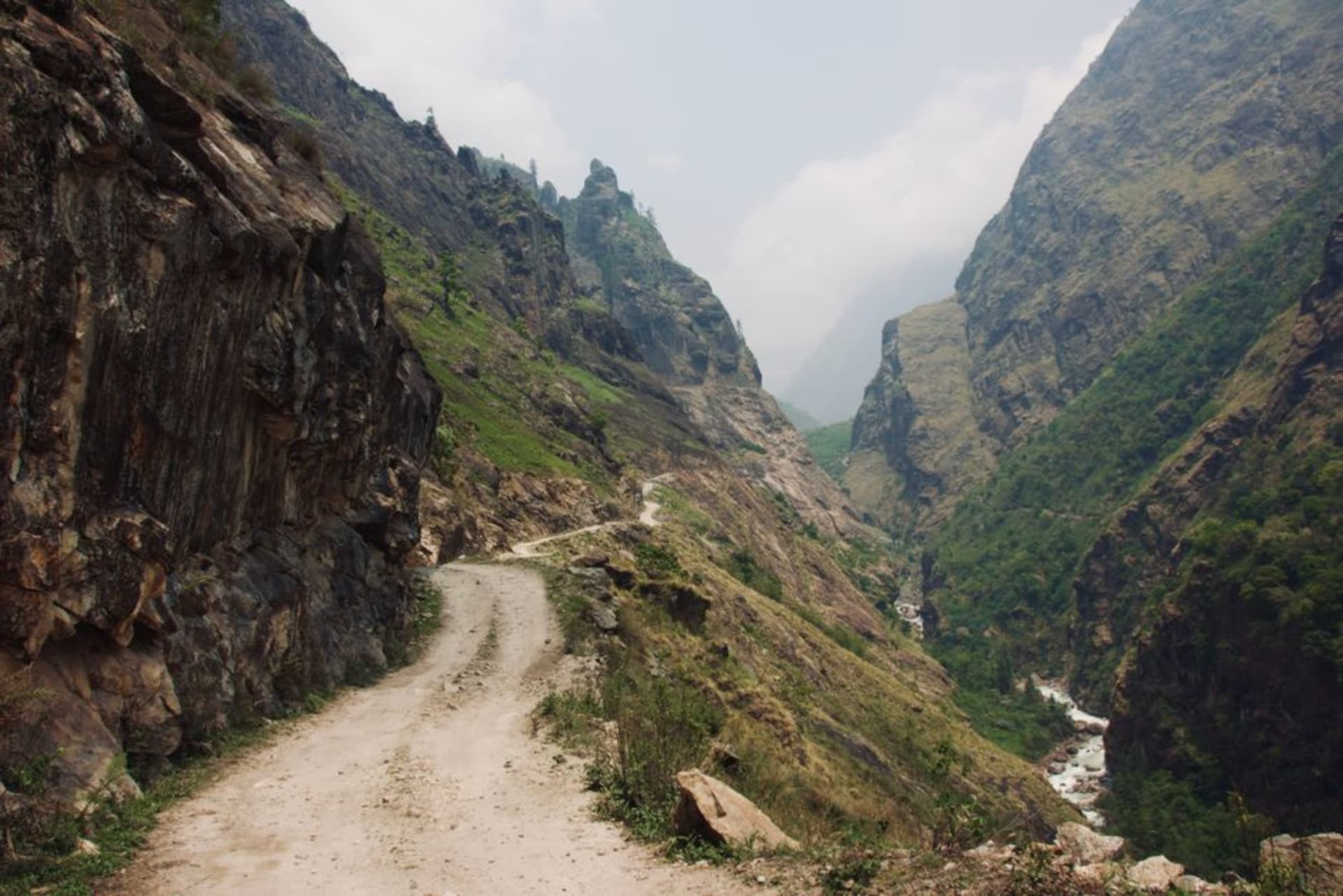
Seti Gorge
"The Seti Gorge is a canyon deep enough to swallow a river, hidden a few meters beneath an ordinary Pokhara street."
A river that vanishes into a slot canyon so narrow you can stand directly above it in the middle of Pokhara and barely notice.
I’d walked past the K.I. Singh Bridge twice on errands before someone told me to actually stop and look over the edge. That’s the strange thing about the Seti Gorge — it runs directly beneath ordinary Pokhara streets and neighborhoods, close enough to markets and motorbike traffic that you can miss it entirely if nobody points it out. The river itself, the Seti Khola, carries glacial silt down from the Annapurnas and runs a distinctive milky white-grey, which is where it gets its name — Seti means “white” in Nepali.
A Canyon Six Meters Wide
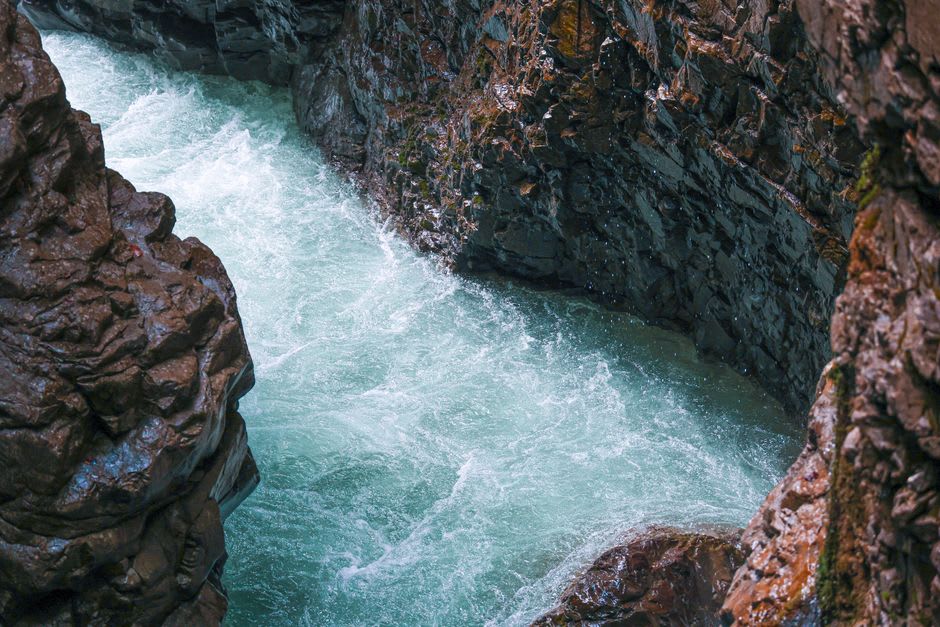
At the bridge, the gorge narrows to what felt like an almost impossible width — in places barely wide enough to seem geologically plausible, though it plunges an estimated twenty meters or more straight down to the water. Looking over the railing, the sensation is closer to looking into a crack in the earth than a conventional river canyon. The milky water churns audibly far below, echoing off limestone walls polished smooth by centuries of flow, and the whole thing is essentially invisible from street level unless you’re standing right at the edge.
Following It Through the City
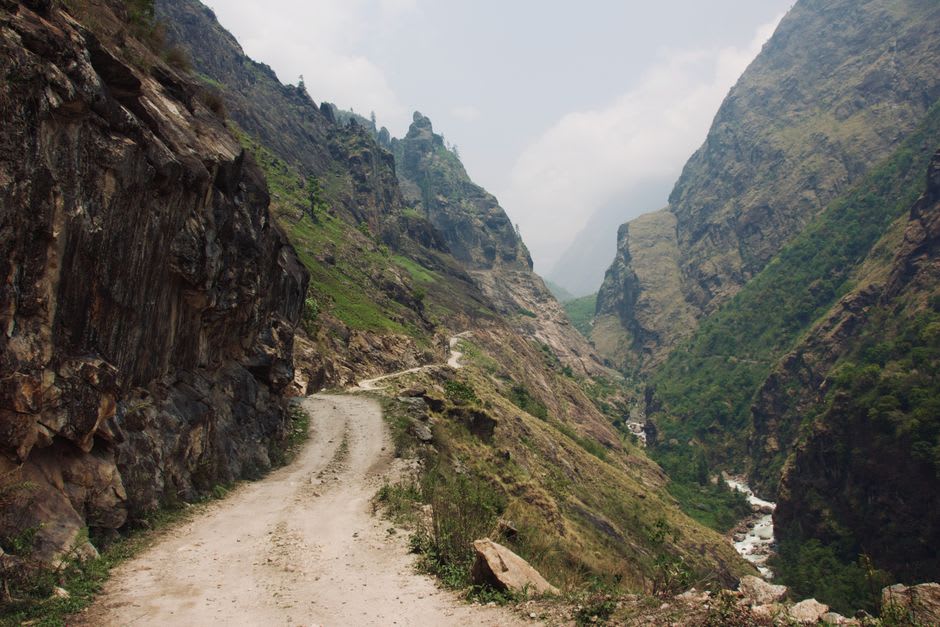
Curious how far this hidden canyon extended, we followed the gorge’s rough path on foot for a stretch through the city, catching glimpses of it between buildings and at a couple of other access points where locals had built small viewing platforms, one near a Hindu shrine that used the gorge’s dramatic drop as an unadvertised backdrop for its rituals. In places the gorge disappears completely beneath the road, tunneling under Pokhara’s everyday traffic, only to resurface a block later, still churning, still that improbable milk-white color.
It remains one of the more disorienting things about Pokhara — a city built partly on top of a hidden canyon that most residents pass over daily without a second thought, and that most visitors, myself included on the first two passes, walk straight past.
When to go: Year-round, since the gorge is an urban feature rather than a seasonal trail, though the river runs highest and most dramatic during and just after monsoon, from June through September, when glacial melt and rainfall combine.