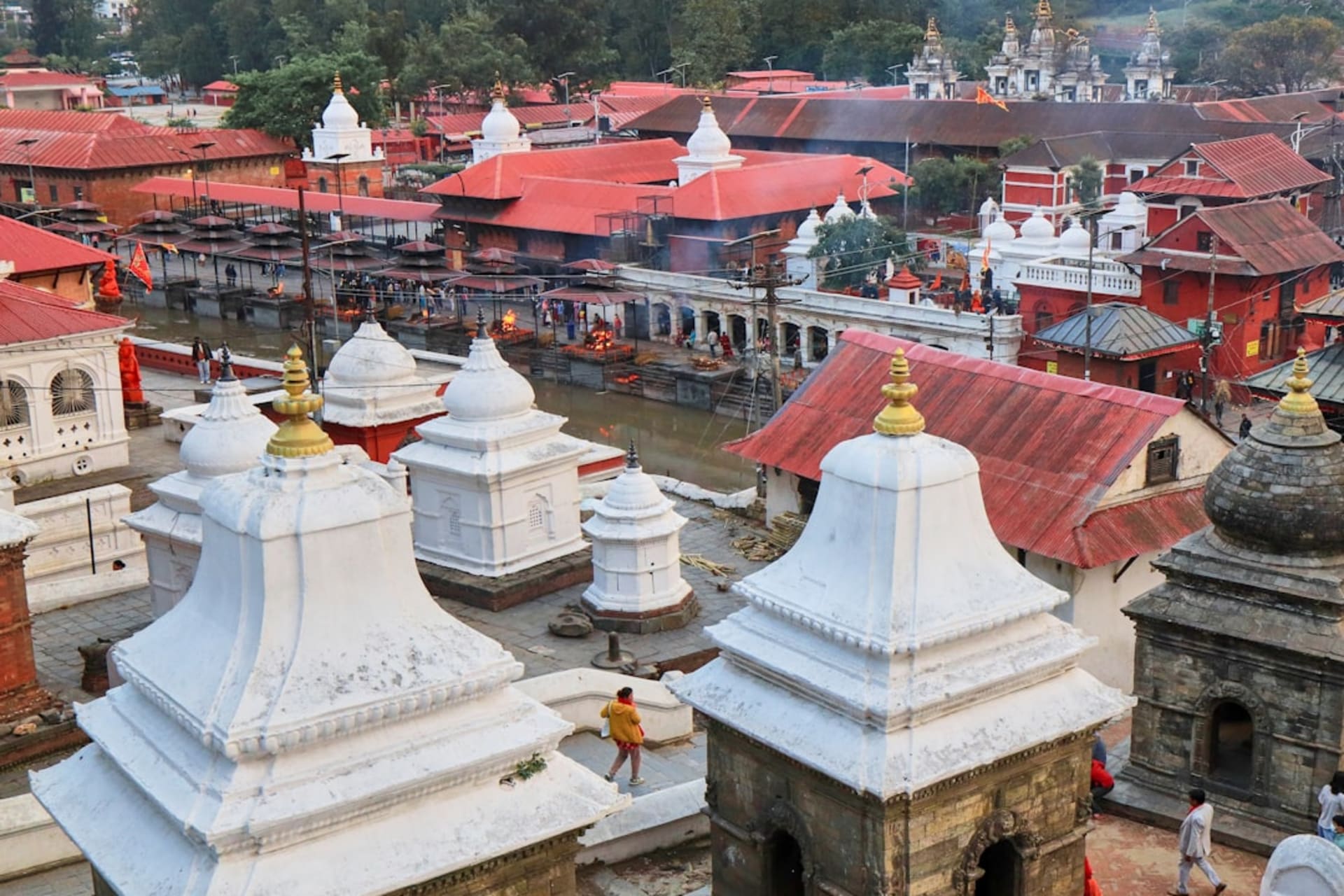
Pathibhara Devi Temple
"I've been to a lot of temples in Nepal. None of them had wind like Pathibhara's."
A wind-scoured pilgrimage shrine at 3,800 meters where Hindu and Kirat traditions meet on a ridge with views into three countries.
The trail to Pathibhara starts at Taplejung and climbs through forest that thins gradually until it disappears entirely, replaced by open ridgeline and a wind that seemed to arrive from every direction at once. I’d read that Pathibhara Devi was one of the most revered Shakti Peeth shrines in eastern Nepal, drawing pilgrims from across the region and from Sikkim and Darjeeling in India, but nothing quite prepares you for arriving at 3,800 meters to find a small stone shrine standing nearly alone against a sky that seems to have no ceiling.
The Climb Through Changing Forest
The two-day trek up from Taplejung — most people break the journey at Chitre or Suketar — passes through a sequence of forest types that shift with altitude: subtropical near the trailhead, then oak and rhododendron, then, above 3,000 meters, stunted juniper and open meadow. I did it in October, when the rhododendrons weren’t blooming but the visibility was exceptional, and by the last hour of the ascent the trail was lined with prayer flags left by pilgrims, strung between juniper shrubs bent permanently sideways by the wind.
The Shrine and the Crowd of Believers
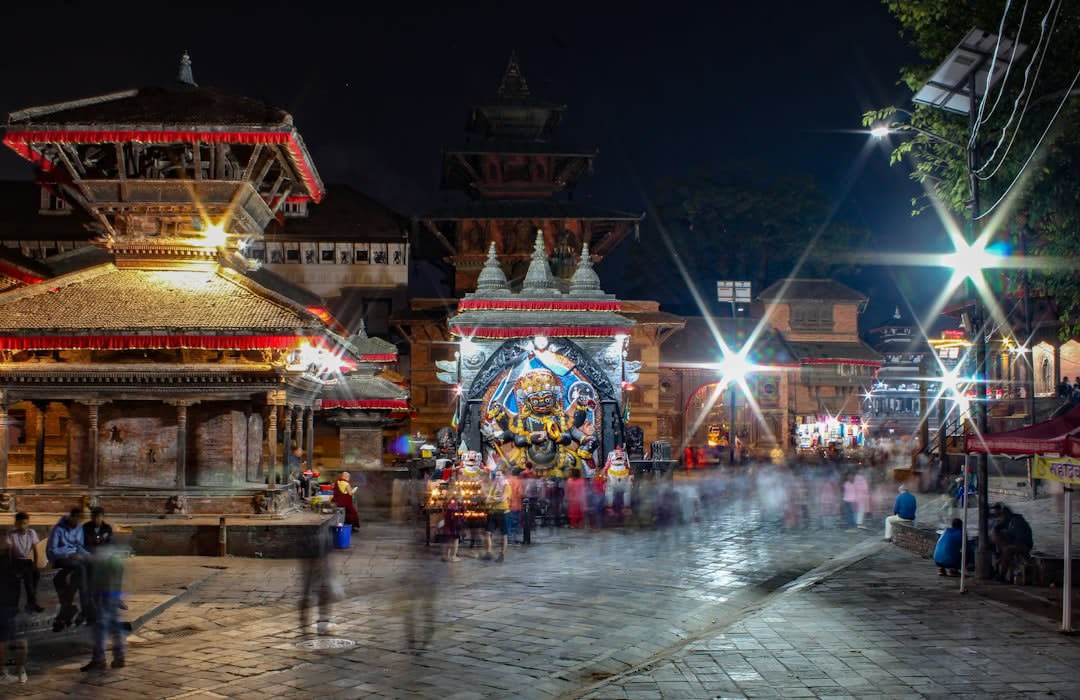
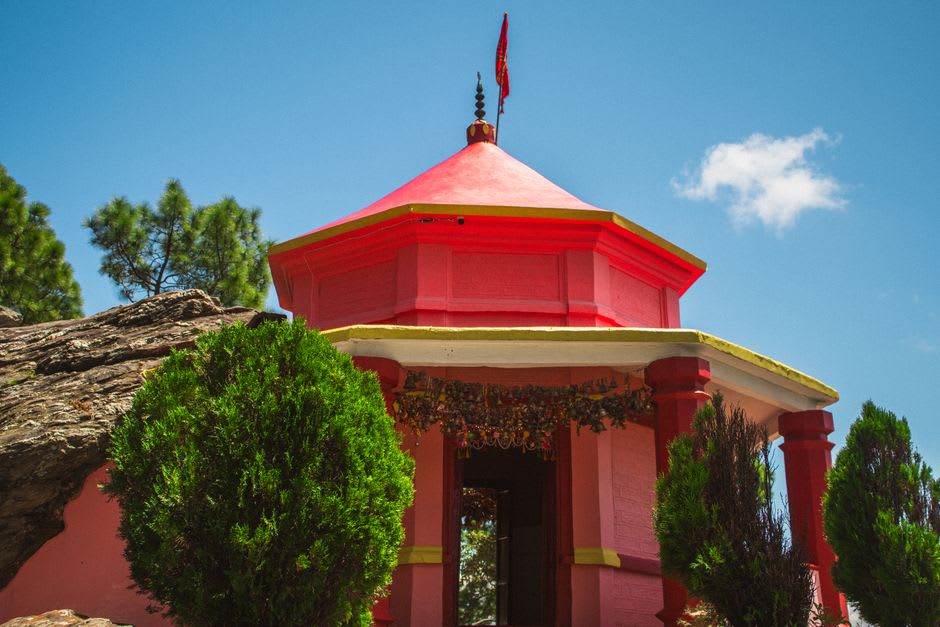
Pathibhara Devi is worshipped as a form of the goddess Durga, and the shrine itself is modest — a small stone structure recently rebuilt after a fire, ringed by bells that pilgrims strike on their way past, the metal sound carrying oddly far in the thin air. What struck me was the mix of pilgrims: elderly Hindu women from the Terai who’d traveled for days, Kirat Limbu families who hold Pathibhara sacred within their own animist tradition, and a scattering of trekkers like me who’d come mostly for the view and left, unexpectedly, moved by the devotion around us. An elderly priest performing puja gestured for me to take a pinch of vermilion tika, which I accepted without fully understanding the ritual, and which felt like the right thing to do regardless.
The View That Justifies the Wind
On a clear day, Pathibhara’s summit ridge reportedly offers views toward Kanchenjunga to the northeast and, remarkably, glimpses toward the plains of India to the south and even Bhutan’s distant ranges to the east — a claim locals repeat with obvious pride. I got Kanchenjunga’s upper slopes through a gap in the cloud for perhaps ninety seconds before it closed again, and Lia, who’d made the climb with a head cold and considerable complaining, decided it was worth it anyway. We ate instant noodles at the single stone teahouse near the summit, huddled against a wall for windbreak, and started back down before dark.
When to go: October and November for the clearest views and the Dashain pilgrimage season, when the shrine is at its busiest and most alive. March to May brings rhododendrons on the lower trail sections. Winter (December–February) is bitterly cold and windy at altitude; the monsoon makes the upper trail slick and views nonexistent.