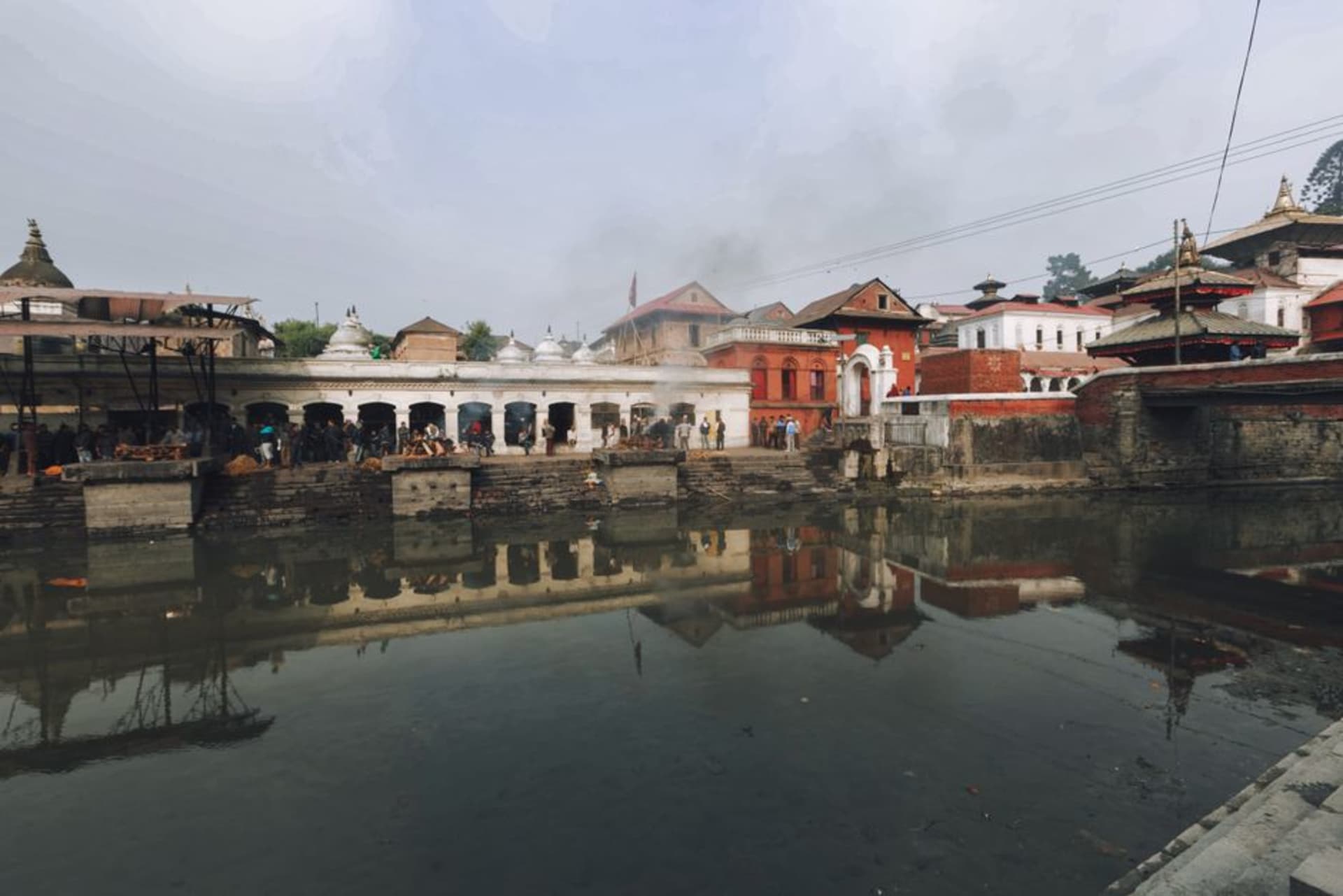
Pashupatinath
"Pashupatinath does not soften death for visitors, and I think that was the point I needed to understand about it."
The most sacred Hindu temple in Nepal, where cremation ghats on the Bagmati River sit in plain view of pilgrims, sadhus, and the living.
I want to be careful with how I write about Pashupatinath, because it is a working cremation site as much as a temple complex, and I don’t think tourists — myself included — are entitled to treat that as spectacle. But it is also one of the most important places in Nepal, and pretending it doesn’t exist in a piece about the Kathmandu Valley would be its own kind of dishonesty.
The Ghats on the Bagmati
Non-Hindus can’t enter the main Pashupatinath temple itself, but the surrounding complex — including the cremation ghats along the Bagmati River — is open to visitors, viewed respectfully from the opposite bank or the hillside above. We arrived in the late afternoon and watched, at a distance, a cremation in progress: family members in white, a fire tended by attendants whose job this is every day, smoke drifting low over water that, this far downstream in the dry season, moves slower than I expected. Lia and I didn’t speak for a long stretch. There isn’t much to say, standing across from that.
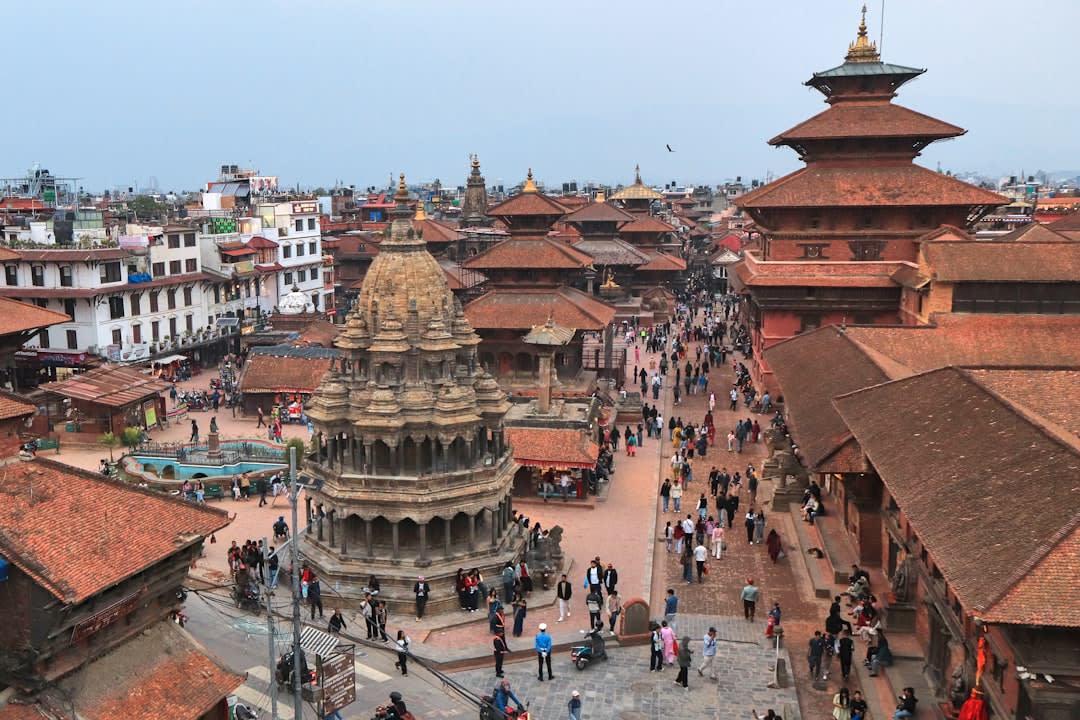
The Sadhus of Pashupatinath
The complex is also known for its resident sadhus — Hindu holy men, some genuine ascetics who have lived at the temple for years, others posing for tourist photos in exchange for rupees, and it is not always easy to tell the difference. One older sadhu with ash-streaked dreadlocks and a trident spent ten minutes explaining, unprompted and in decent English, his interpretation of Shiva’s role in the cycle of death and rebirth, then asked for a small donation with the same matter-of-fact tone, which felt less like a scam and more like a transaction he’d long ago stopped being embarrassed about.
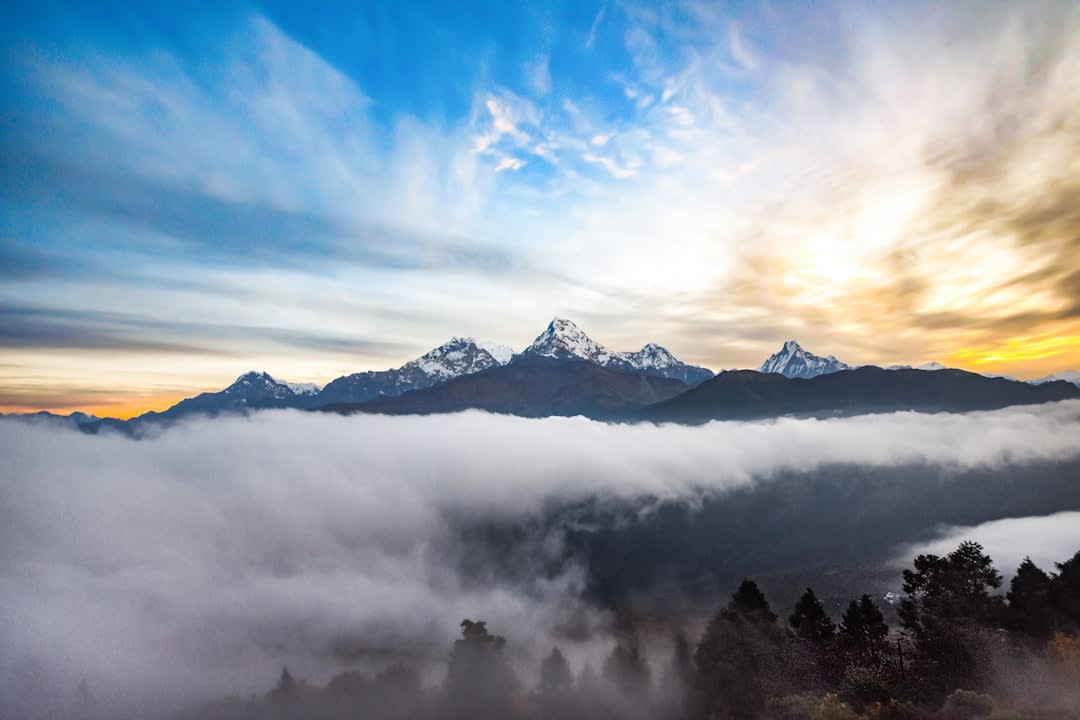
The Hillside Overlook
Above the river, a terraced hillside dotted with small stone shivalingas gives a wider view of the whole complex — the pagoda roofs of the main temple, the smoke from the ghats, monkeys moving through the trees, and pilgrims circulating on paths that connect all of it. It’s the spot I’d recommend for anyone who wants to understand Pashupatinath’s scale without feeling like they’re intruding at the water’s edge.
When to go: Late afternoon light suits the temple’s copper roofs best. Maha Shivaratri, usually in February or March, draws enormous crowds and hundreds of sadhus from across South Asia — extraordinary to witness, but arrive very early if you want to move through the complex at all.