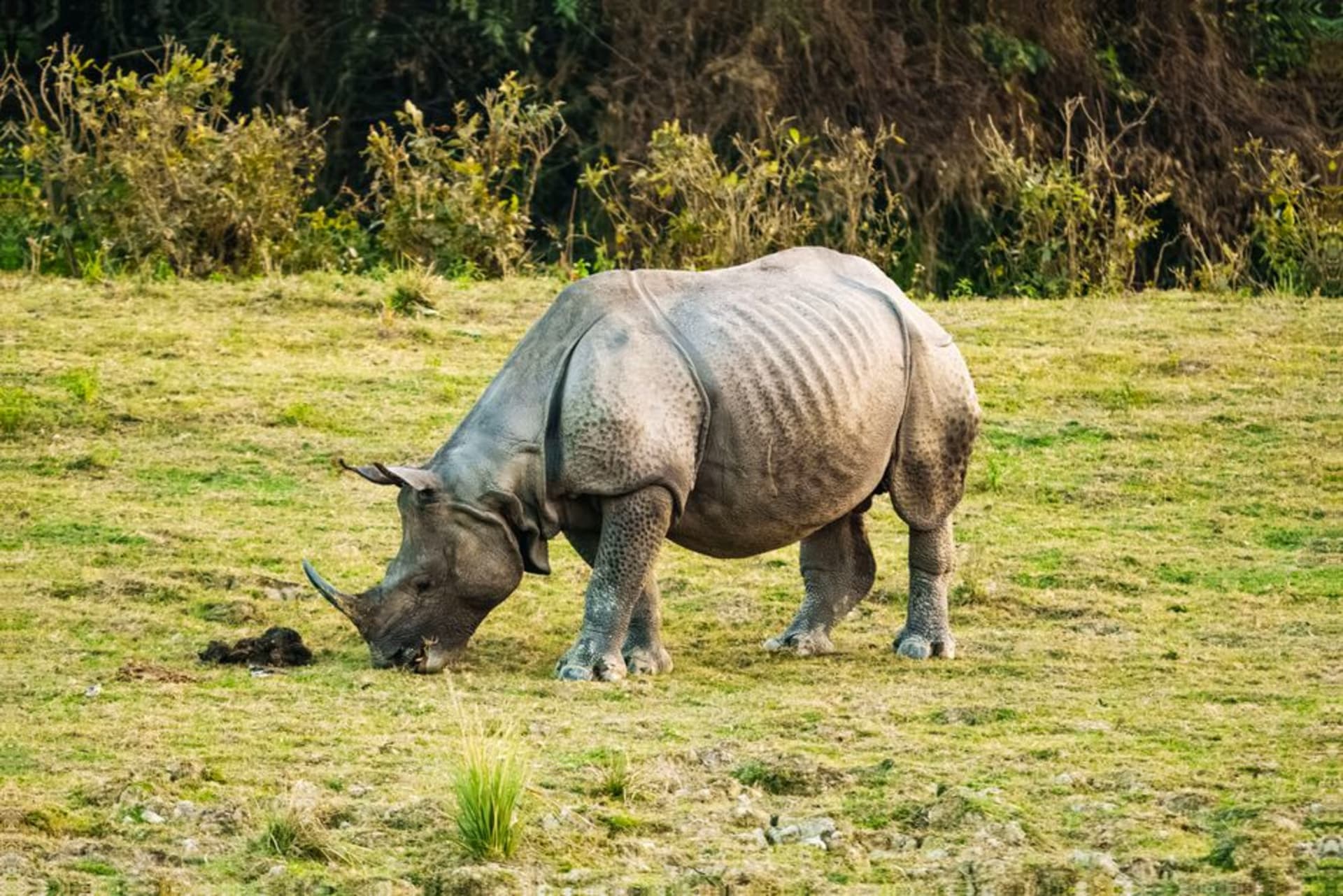
Parsa National Park
"Parsa gets a fraction of Chitwan's visitors despite sharing its ecosystem. That imbalance is exactly why we went."
Chitwan's quieter neighboring reserve, a continuous stretch of sal forest along the Churia hills where wild elephant herds still move freely between Nepal and India.
Parsa National Park runs contiguous with Chitwan along its eastern border, sharing the same Churia hill forest and river system, and yet receives a tiny fraction of the visitor numbers. Lia and I had already done Chitwan on an earlier trip through Nepal and came back specifically curious whether Parsa’s quieter reputation held up. It did, though not in the way we expected — this isn’t a park of dramatic wildlife density, it’s a park of scale and undisturbed forest, and the reward is a different kind of experience.
Following the Elephants
Parsa holds one of Nepal’s more significant resident and seasonal wild elephant populations, herds that move across the porous border with India’s Valmiki Tiger Reserve depending on the season. Our guide tracked a herd for nearly two hours through dense sal forest using fresh dung piles and broken branches as markers before we finally caught sight of them — six or seven animals, including two calves, moving unhurried through the undergrowth about eighty meters off. We kept well back and downwind, and they never registered us at all.
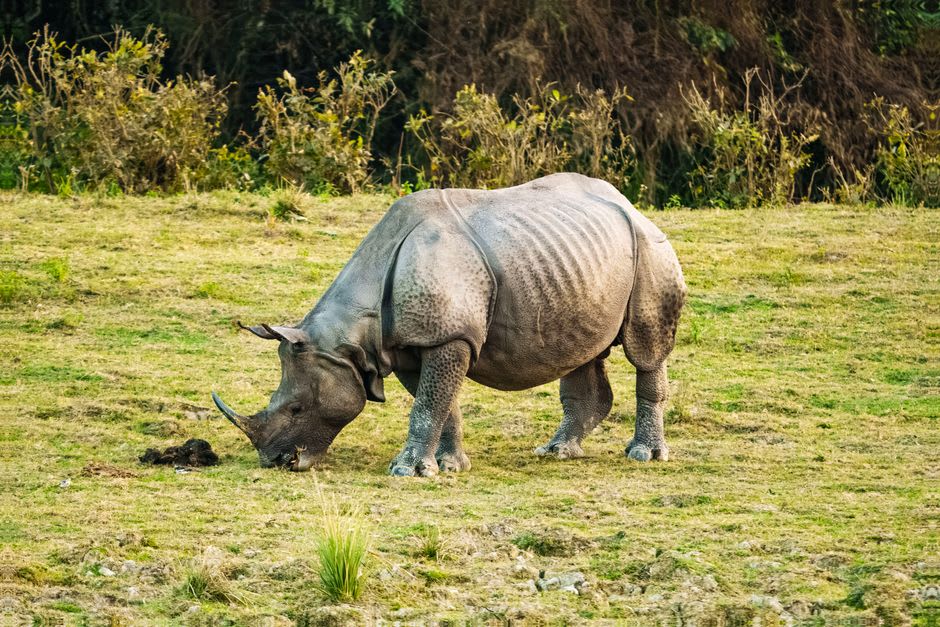
The Churia Hills
What distinguishes Parsa from the flat grassland safari parks further west is topography — the Churia range, Nepal’s youngest and most fragile hill chain, runs directly through the park, giving it a mix of forested ridgelines and valley streams instead of pure floodplain. We hiked a stretch of ridge trail with views back over the Terai plain stretching south into haze, a genuinely different visual register from anything I’d seen in Chitwan or Bardia.
An Overflow Worth Choosing Deliberately
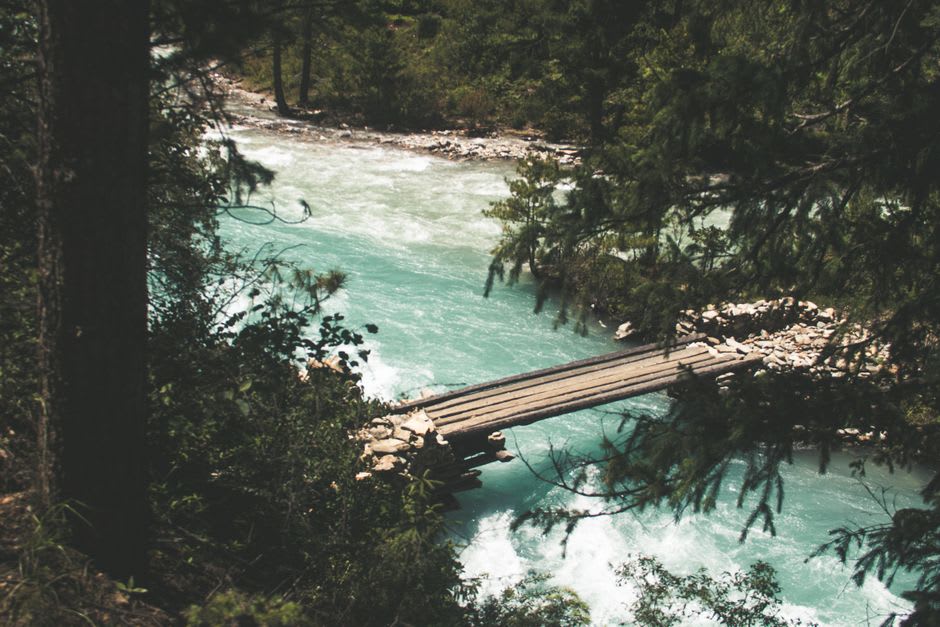
Parsa is often framed as Chitwan’s overflow option for when permits or lodges are full. I’d argue for choosing it deliberately instead — precisely because it hasn’t been built up around tourism the way Chitwan has, the forest here feels less managed, more genuinely wild, even if the sightings come slower.
When to go: October through March offers the most comfortable temperatures and the clearest trails. April and May can bring good wildlife concentration near remaining water sources despite the heat. The monsoon from June through September closes most of the park to visitors.