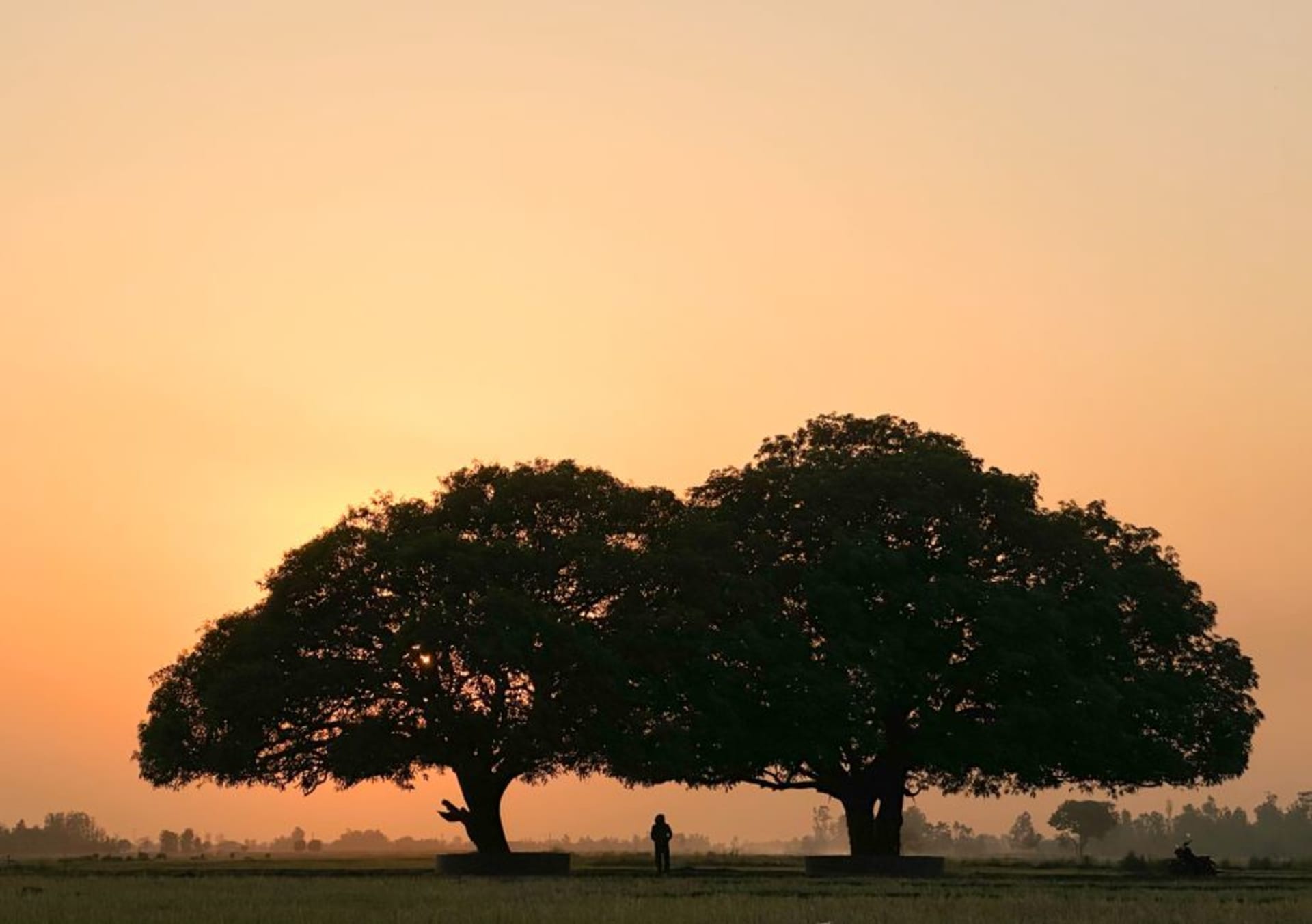
Nepalgunj
"The call to prayer and temple bells overlapped on the same street corner, and nobody but me seemed to find that remarkable."
A dusty mid-western border city and the real gateway to Bardia and the far west, where Hindu, Muslim, and Tharu communities share one crowded, chaotic bazaar.
Nepalgunj exists, for most travelers, as a layover — the airport where you change planes for Bardia or the far-western hill districts. Lia and I nearly treated it that way too, until a canceled flight stranded us there for two extra nights. What could have been dead time turned into one of the more quietly memorable stops of the trip.
A City Built on Overlap
Nepalgunj sits right against the Indian border, and its population reflects that position more than almost anywhere else in Nepal — a substantial Muslim community alongside Hindu and Tharu residents, with mosques, temples, and Tharu community halls sometimes within sight of each other. Walking the old bazaar near Tribhuvan Chowk at dusk, we heard the call to prayer roll out over rooftops at nearly the same moment temple bells started up two streets over. Nobody around us reacted; it was simply Tuesday.
The Bageshwari Temple and the Cattle Market
The Bageshwari Temple, dedicated to a form of the goddess Durga, draws steady crowds of pilgrims from both sides of the border, and the surrounding lanes fill with vendors selling marigold garlands, vermillion powder, and steel devotional items stacked in towers taller than the shopkeepers selling them. A few streets further out, the livestock market runs most mornings — a genuinely overwhelming scene of buffalo, goats, and cart-pulling oxen changing hands in a haze of dust and shouted negotiation.
Waiting Out the Heat
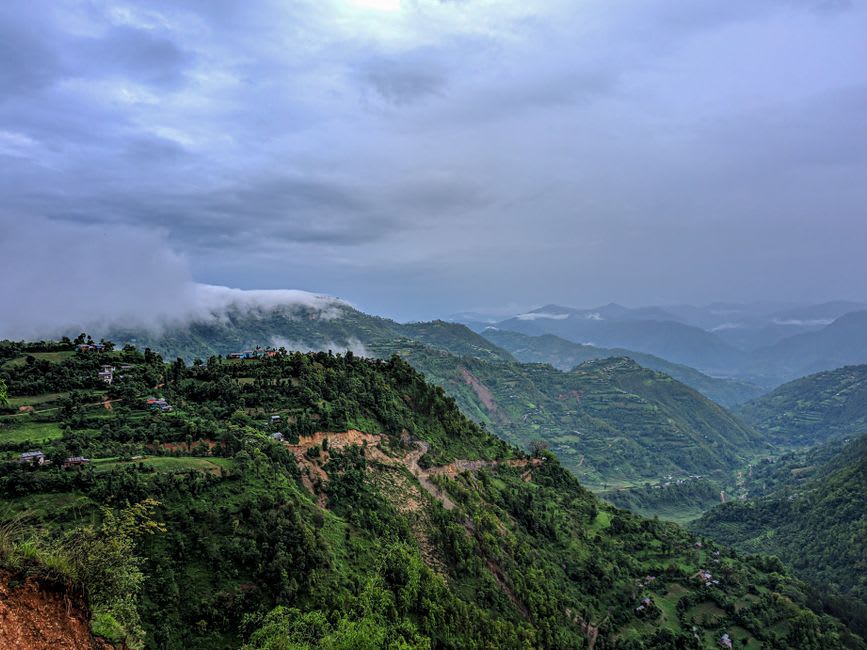
Nepalgunj in the pre-monsoon months is brutally hot, and the city has adapted around that fact — shutters down and streets nearly empty from noon until four, then a sudden reanimation as the temperature drops and everyone reemerges at once. We spent our forced afternoon downtime the way locals did: under a ceiling fan in a rooftop restaurant, drinking sweet milk tea, watching the light go copper over the flat rooftops.
When to go: November through February brings the only genuinely comfortable temperatures. If you’re using Nepalgunj as a springboard to Bardia or the far-western hills, build in a buffer day — flight delays here are common, especially in the monsoon season from June to September.