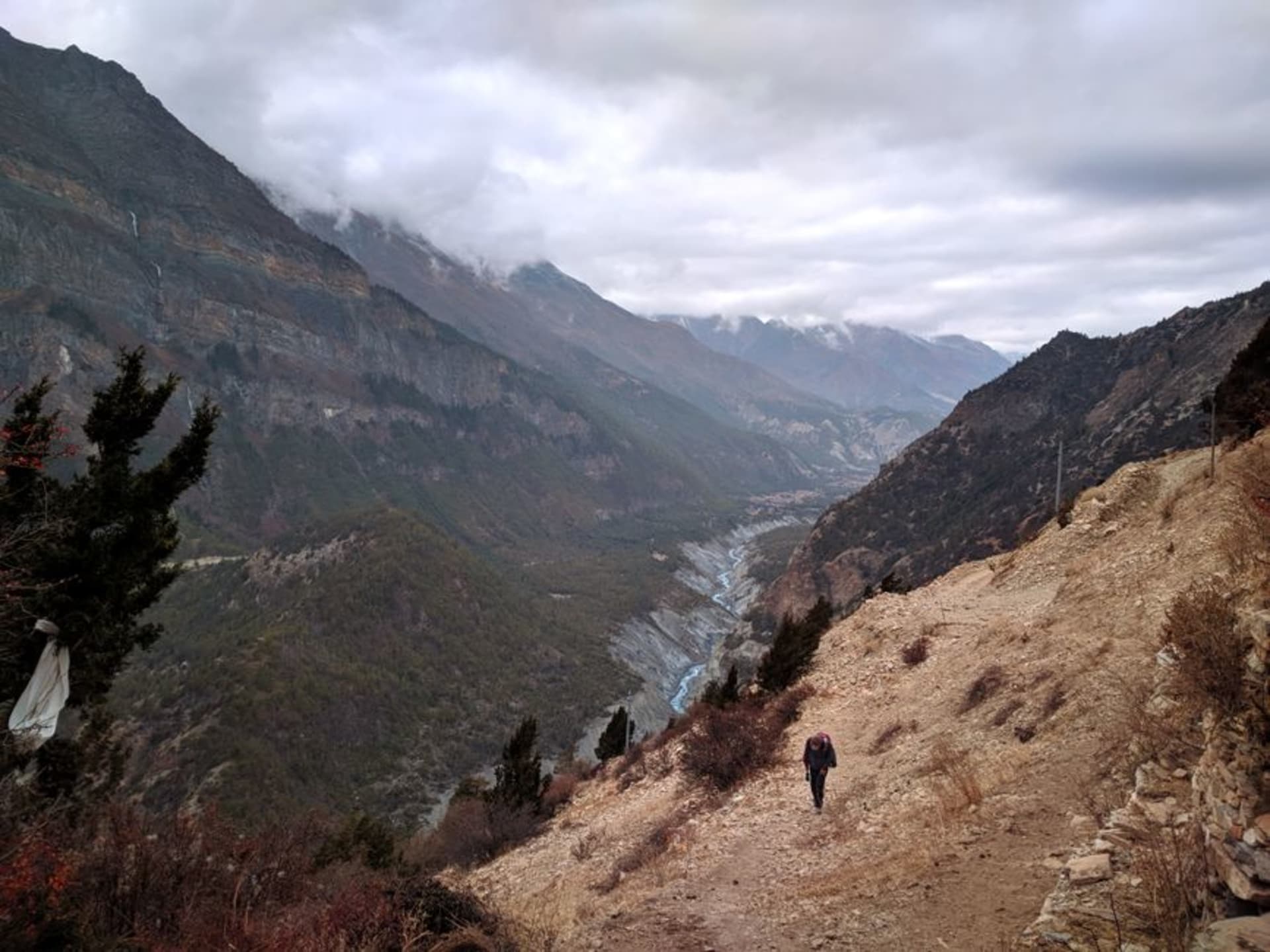
Nar Phu Valley
"We saw four other trekkers in five days. In Nepal in October. I still don't fully believe that happened."
A restricted-area valley branching off the main Annapurna Circuit into a hidden Tibetan Buddhist world of two fortress-like villages, requiring a special permit and delivering some of the least-visited trekking in Nepal.
Nar Phu Valley branches off the main Annapurna Circuit near Koto, a few hours below Chame, and almost nobody takes the turn. The valley was only opened to foreign trekkers in 2003, requires a restricted-area permit and a licensed guide by law, and the entry point itself discourages casual detours — a narrow gorge trail blasted into a cliff face, sometimes just a plank walkway bolted to sheer rock above the Nar Khola river, that makes the commitment to the side trip feel immediate and real.
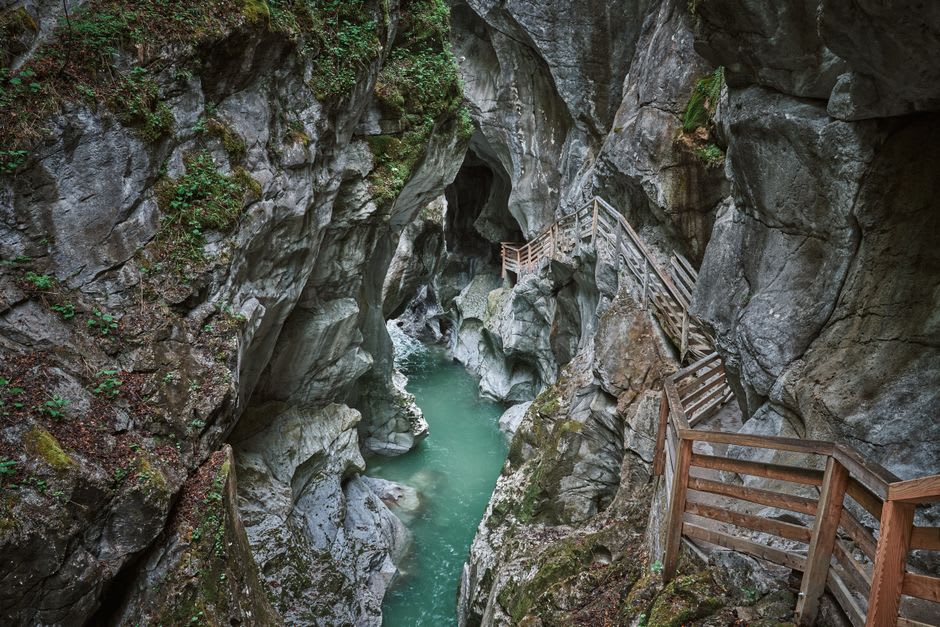
Into the gorge
The approach through the gorge is genuinely dramatic in a way that photographs undersell — the valley walls close to a few meters apart in places, waterfalls drop directly onto the trail, and the path itself alternates between carved rock steps and suspended wooden sections that creak in a way I chose not to think about too hard. It took the better part of a day to cover a distance that would be nothing on open ground, and by the time the gorge widened into the upper valley, the character of the landscape had changed entirely — dry, Tibetan, wind-scoured, closer in feel to Upper Mustang than to anywhere on the main circuit.
Phu and Nar
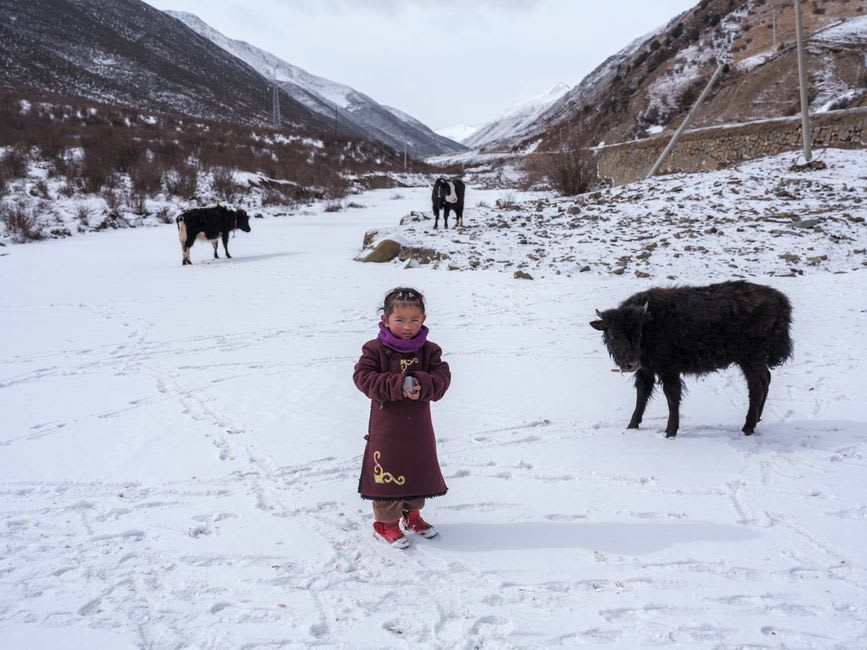
The valley holds exactly two villages. Phu, the more remote of the two at 4,080 meters, is a genuinely fortress-like settlement — stone houses stacked against a hillside behind a collapsed old defensive wall, built centuries ago against raiders from Tibet, with a monastery above it that a single monk was tending on a rotating basis when we visited. Nar, a day’s walk back down and across, is larger and slightly less austere, with chörtens and prayer flags marking the approach and yak herds grazing on the surrounding slopes. Both villages practice a form of Tibetan Buddhism closer to what survives in Upper Mustang than anything on the main Annapurna trail, untouched by the road development that’s changed the lower circuit.
We crossed back to the main circuit over the Kang La pass at 5,322 meters rather than retracing the gorge, a genuinely tough day that dumps you out near Ngawal with views back over the whole valley we’d just spent a week disappearing into.
When to go: The restricted permit and guide requirement make this a trip to plan well ahead of arrival in Nepal. Late September through October offers the most stable weather for the Kang La pass crossing; the valley is effectively closed by snow in winter.