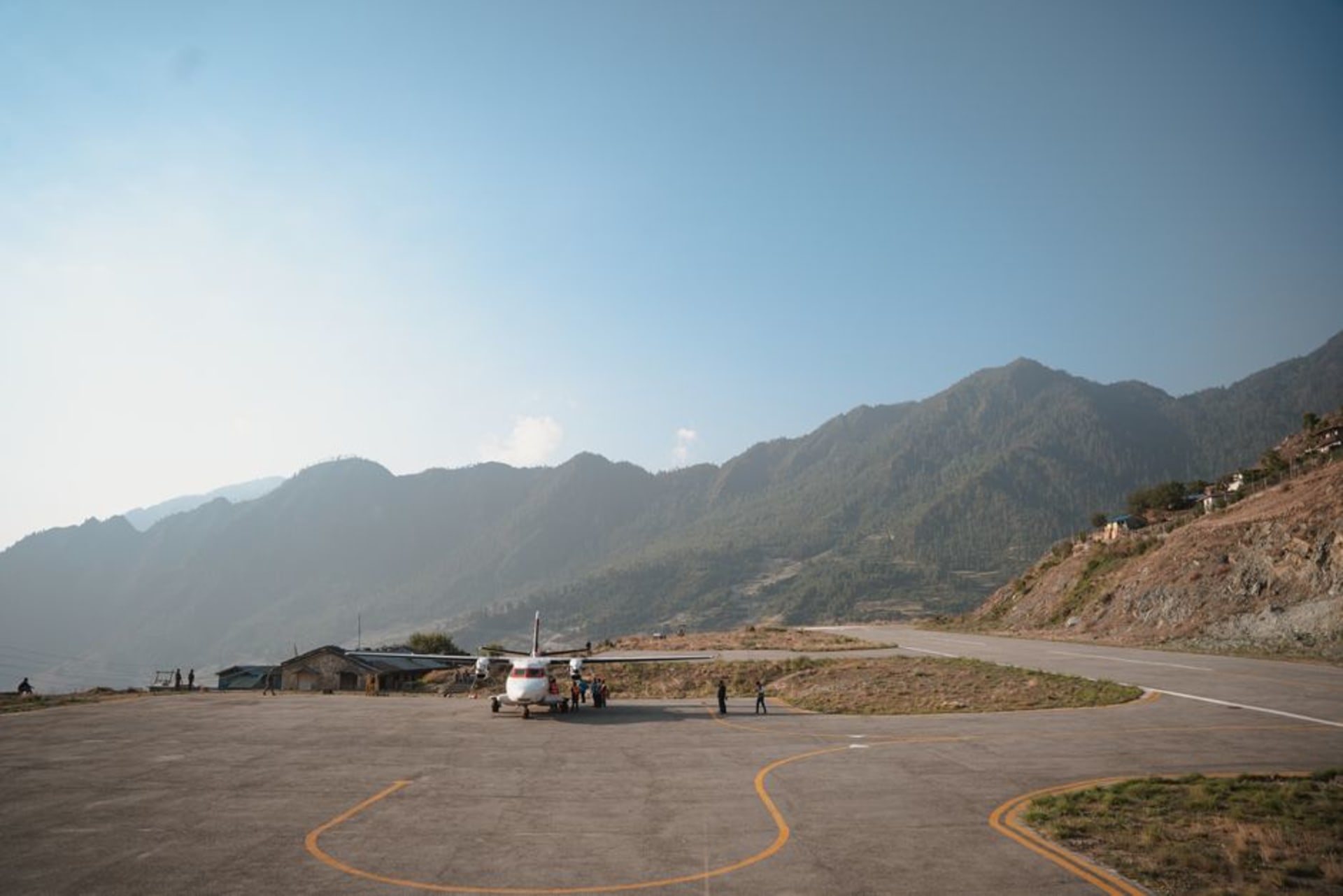
Jumla
"Jumla grows rice at an altitude where rice has no business growing, and nobody there seems especially impressed by that fact."
The remote district capital of Nepal's mid-west, a valley of apple orchards and the highest-altitude rice paddies in the world, gateway to Rara Lake.
I’d read, somewhere, that Jumla holds the record for the world’s highest-altitude rice cultivation — a local variety called Jumli Marsi, grown at around 2,300 meters and beyond, adapted over centuries to a cold that would kill any lowland strain. It sounded like a fact worth verifying in person. It also turned out to be the least interesting thing about the place, once I’d actually spent a few days there.
A Valley Shaped by Isolation
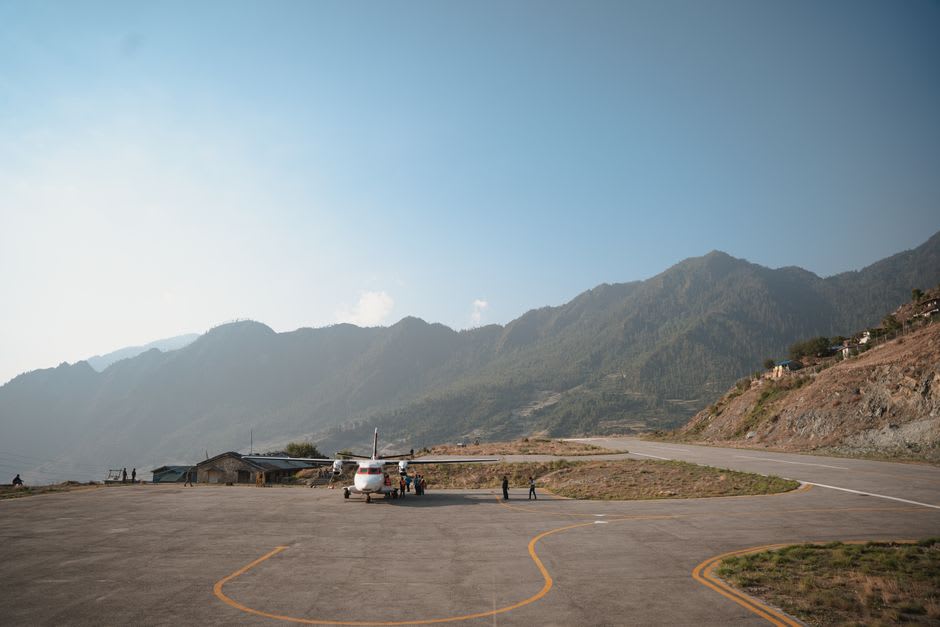
Jumla is the administrative heart of Nepal’s mid-western hills, reachable by a short flight from Nepalgunj or Surkhet, or by a multi-day road journey that most people, sensibly, avoid. The town itself is unremarkable at first glance — a grid of low buildings around a bazaar street — but it sits inside a wide, fertile valley that feels startlingly different from the vertical trekking country further east. Wheat and barley fields climb the lower slopes in the same terraced patterns you’d see near Pokhara, but the rice paddies down in the valley bottom, flooded and brilliant green in July, are the genuine oddity.
Apples, Wine, and an Unexpected Distillery
What I hadn’t expected was the apple industry. Jumla’s cold nights and clear light produce some of the best apples in Nepal, and a small local operation has started turning a portion of the harvest into apple brandy and wine — a curiosity I tracked down on our second afternoon, mostly out of disbelief. Lia, more skeptical than me about the whole enterprise, admitted after one glass that it was better than either of us had braced for: rough around the edges but genuinely fruit-forward, nothing like the syrupy stuff sold as souvenir liquor elsewhere in Nepal.
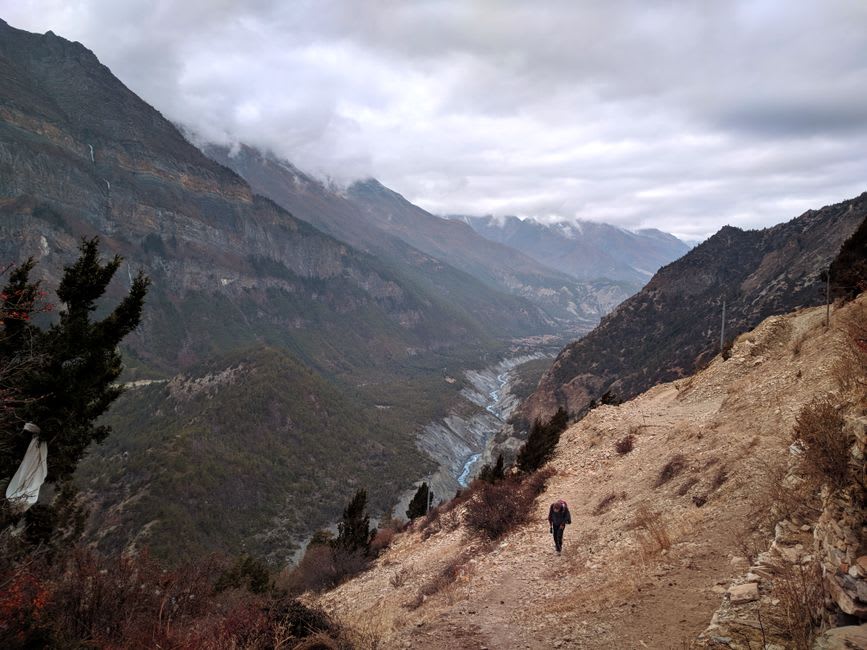
Jumla is also the standard overland gateway to Rara Lake, and most travelers treat it purely as a stopover — a night before or after the trek, nothing more. That’s a mistake. The Chandannath temple above town, a Shaivite site with roots going back centuries, draws pilgrims from across the district for the Chandannath Mela each August, and the bazaar on a market day is one of the more unfiltered slices of rural mid-western Nepali life I encountered anywhere on the trip.
When to go: September and October bring the apple harvest and clear autumn skies. April through June offers milder weather before monsoon, with the rice paddies flooding for planting by early summer. Winter is cold and many flights are weather-dependent year-round.