Ilam
"I came to Nepal expecting rock and ice. Ilam gave me fog and tea leaves instead, and I didn't mind at all."
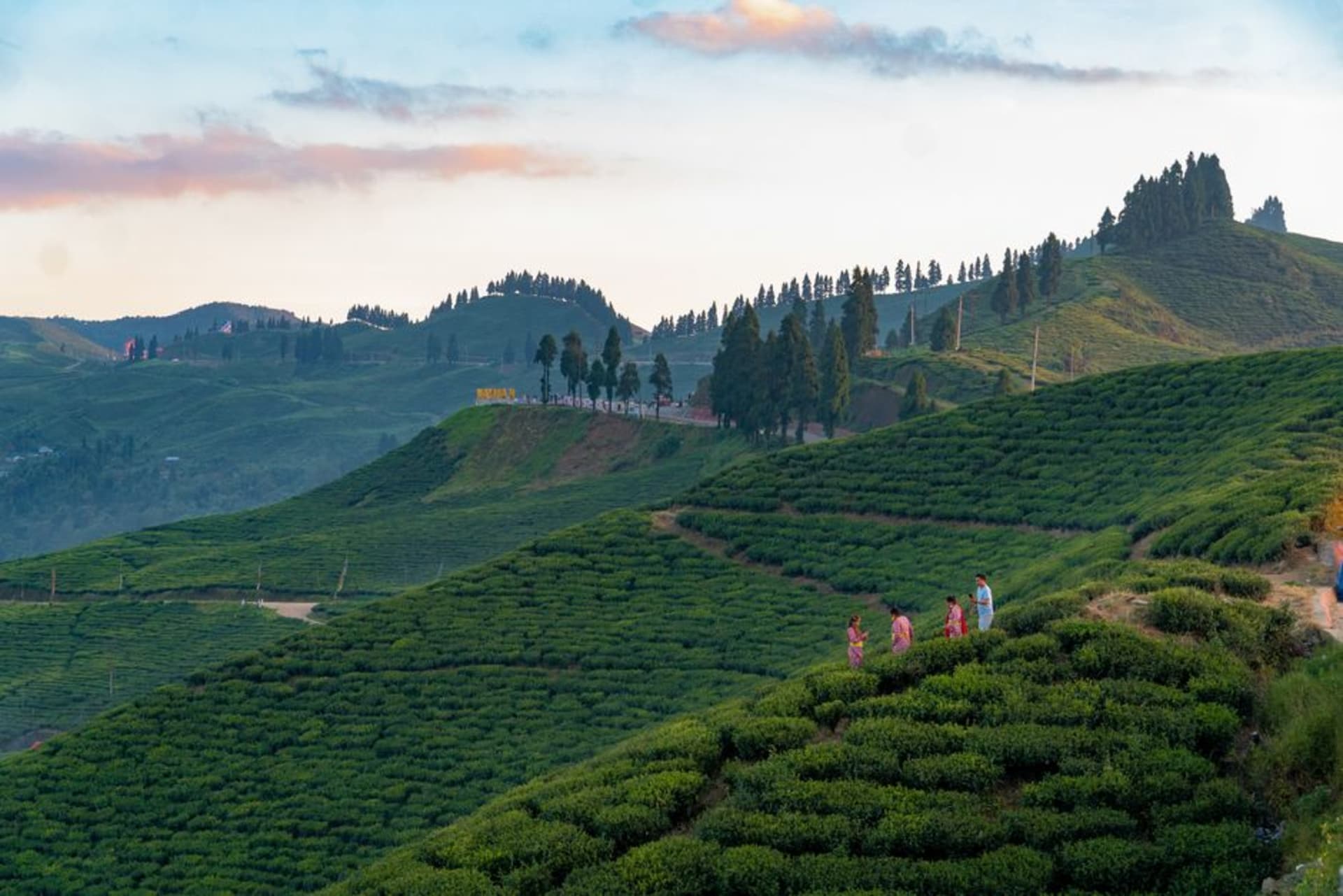
Rolling emerald tea gardens in Nepal's far east, where the hills look more like Darjeeling than the Himalayas most people picture.
Nobody warns you that Nepal has a corner that looks like this. I’d spent two months mentally filing the country under “mountains, dust, prayer flags,” and then the bus from Birtamode climbed out of the flatlands into Ilam district and the hills turned an almost unreasonable shade of green, terraced end to end with tea. It felt like someone had airlifted a piece of Darjeeling across the border and set it down quietly, hoping nobody would notice the resemblance.
The Tea Gardens at First Light
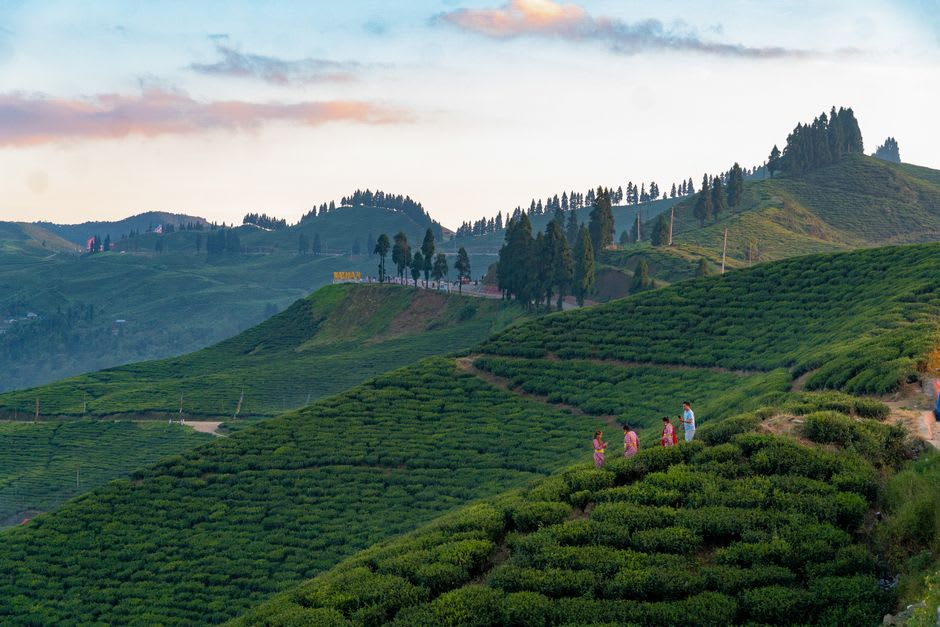
I stayed near Kanyam, where the tea estate spreads across a natural amphitheater of hillside so complete that the bushes seem to pour downhill like green water. Pickers were out before seven, moving between the rows with wicker baskets slung against their backs, plucking only the top two leaves and a bud from each stem — the standard that determines whether a tea earns the “orthodox” label Ilam is known for. The fog hadn’t lifted yet. It sat in the folds of the hills like something poured rather than formed, and the pickers’ voices carried through it in fragments, laughing about something I couldn’t understand and didn’t need to.
Lia bought a kilo of first-flush black tea directly from a small processing shed near Fikkal, watching the withering, rolling, and oxidation happen in a single low-ceilinged room that smelled like wet leaves and woodsmoke. The woman running the operation let her taste three grades side by side — a ritual I now understand was as much about pride as hospitality. The first flush, picked in spring, was lighter and more floral than anything either of us associated with Nepali tea before that morning.
Antu Danda and the View East
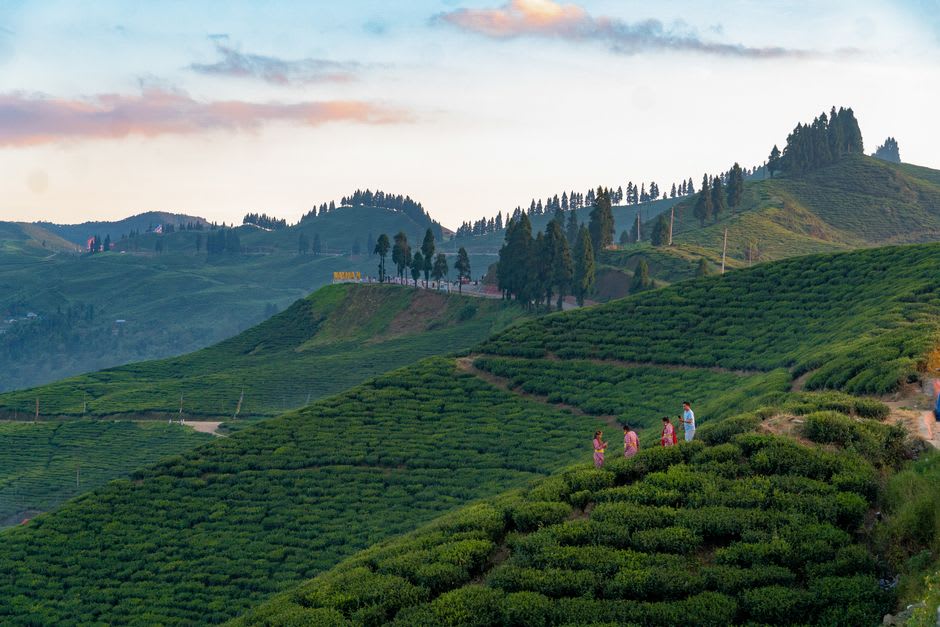
On a clear evening we hiked up to Antu Danda, a ridge viewpoint above the tea estates, arriving just as the sun dropped toward the hills of Ilam’s western districts. On the rare cloudless day you can supposedly see all the way to Kanchenjunga from here, though we got only a band of gold light over layered green ridgelines fading to blue in the distance — which was, honestly, enough. A group of local teenagers had set up a small stall selling roasted corn and tea, and we sat on a stone wall eating both while the light went from gold to purple to gone.
Mai Pokhari and the Quiet Between Estates
A half-day trip south of Ilam bazaar brought us to Mai Pokhari, a sacred lake ringed by rhododendron forest that Hindu and Kirat pilgrims visit during the Teej and Bhoto Jatra festivals. Outside of festival season it’s nearly silent — just the lake, a scatter of prayer flags, and the occasional monkey moving through the canopy. We ate lunch at a teahouse nearby: momos, of course, but also a simple gundruk soup made from fermented leafy greens that tasted like nothing I’d had further west in the country. Eastern Nepal, I was starting to understand, has its own cuisine as much as its own geography.
When to go: October through December offers the clearest skies for the Antu Danda views and comfortable trekking weather. March brings the first-flush tea harvest and blooming rhododendrons around Mai Pokhari. Avoid the monsoon (June–September), when the hills stay wrapped in cloud and the trails turn to mud.