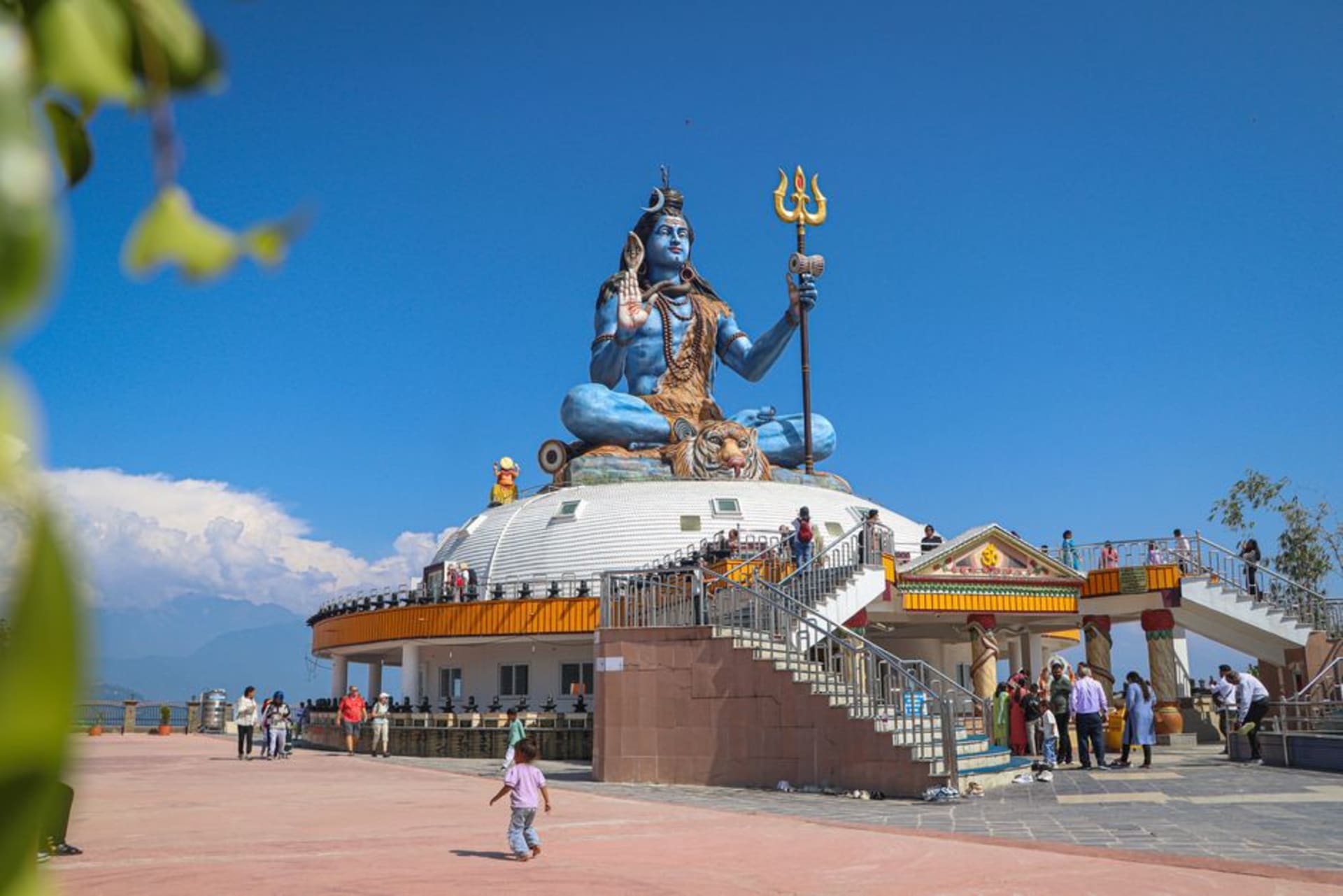
Halesi Mahadev
"Halesi Mahadev is a temple that a cave grew around, or maybe it's the other way around."
A limestone cave temple in the eastern hills sacred to both Hindus and Buddhists, its dripping stalactite chambers doubling as a shrine to Shiva.
Of all the temples I visited in Nepal, Halesi Mahadev is the one that felt least like architecture and most like geology that happened to become sacred. Tucked into the hills of the eastern Khotang district, reached by a winding road that tested every joint in the jeep we hired, the temple occupies a natural limestone cave system that both Hindus and Buddhists have worshipped in for centuries, each tradition reading different meaning into the same dripping stone.
Descending Into the Cave
Entering Halesi Mahadev means climbing down through a series of narrow limestone passages lit only by butter lamps and the occasional shaft of daylight from above. Hindus revere the cave’s central stalagmite formation as a self-manifested lingam of Shiva; Tibetan Buddhists, who call the site Maratika, believe the eighth-century tantric master Padmasambhava achieved immortality here, and the two traditions worship side by side without apparent friction, prayer flags and marigold garlands mingling on the same rock ledges.
The Sound of Water in the Dark
Deeper in, the cave opens into a taller chamber where water drips constantly from the ceiling onto a natural stone basin, considered holy and collected by pilgrims in small bottles to carry home. The acoustics down there do something strange to sound — a temple bell rung near the entrance echoed for what felt like ten full seconds, layered over the steady drip of water, and I stood still longer than I meant to just listening to it fade.
Above Ground, a Different Kind of Quiet
Coming back out into daylight felt almost disorienting after the cool, close dark of the cave. The hillside around the temple entrance is terraced with small farms, and a modest bazaar of tea stalls and marigold vendors serves the steady trickle of pilgrims making the journey from both Kathmandu and India. We drank sweet tea at a stall run by a Rai family, looking back down at the temple entrance, still faintly hearing the murmur of chanting drift up from below.
When to go: October through April for a manageable journey on the access roads and cooler cave conditions. The site draws its largest crowds during Maghe Sankranti in mid-January and during Buddha Purnima, when Tibetan Buddhist pilgrims arrive in larger numbers to honor Padmasambhava.
Keep exploring
More from Nepal
 nepal
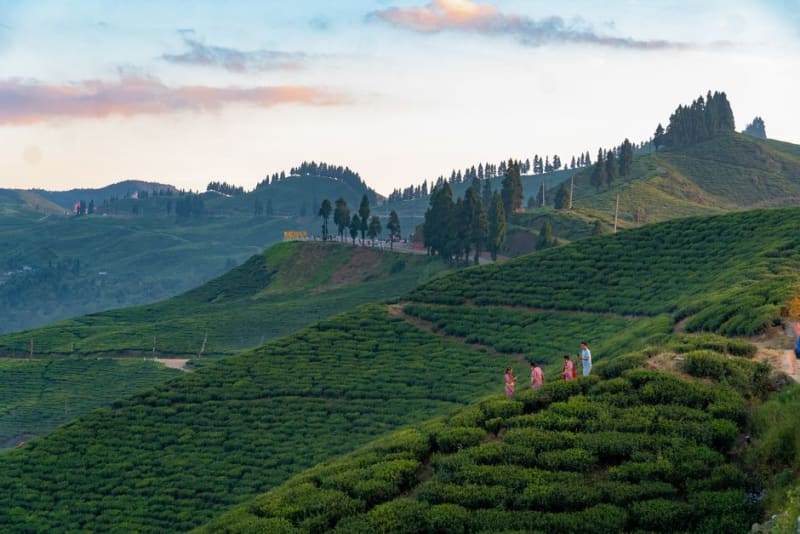
nepal Ilam
Rolling emerald tea gardens in Nepal's far east, where the hills look more like Darjeeling than the Himalayas most people picture.
Explore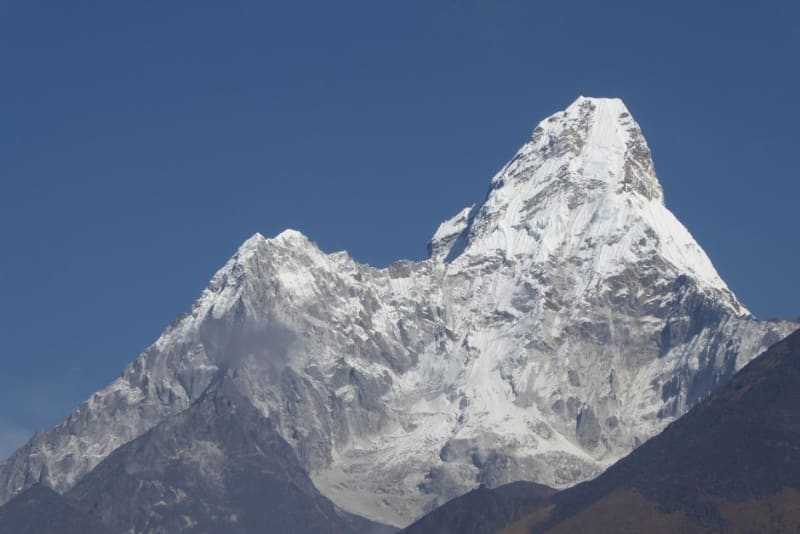 nepal
nepal International Mountain Museum
A Pokhara museum built for the climbers and Sherpas who make the Himalayas possible, not just the mountains themselves.
Explore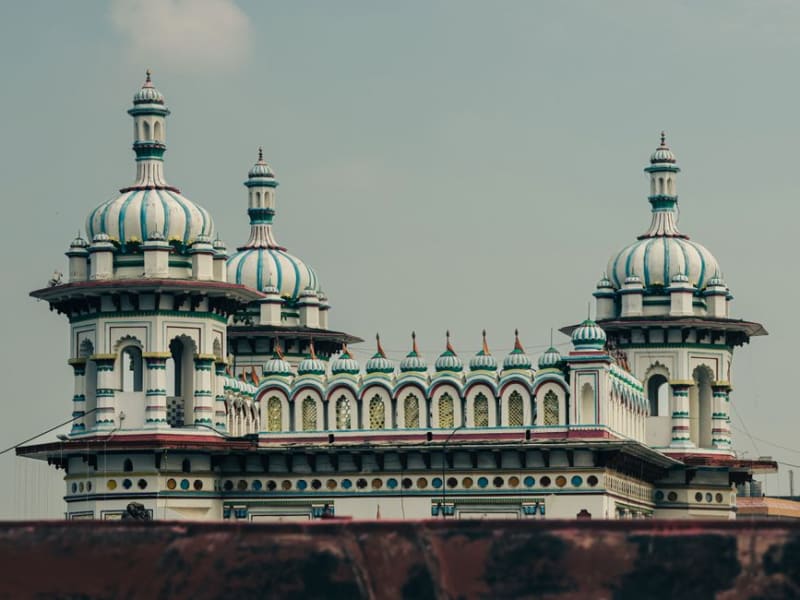 nepal
nepal Janakpur
The spiritual capital of the Mithila region, where the ornate Janaki Mandir and painted village walls reveal a Terai culture that looks nothing like the hills.
Explore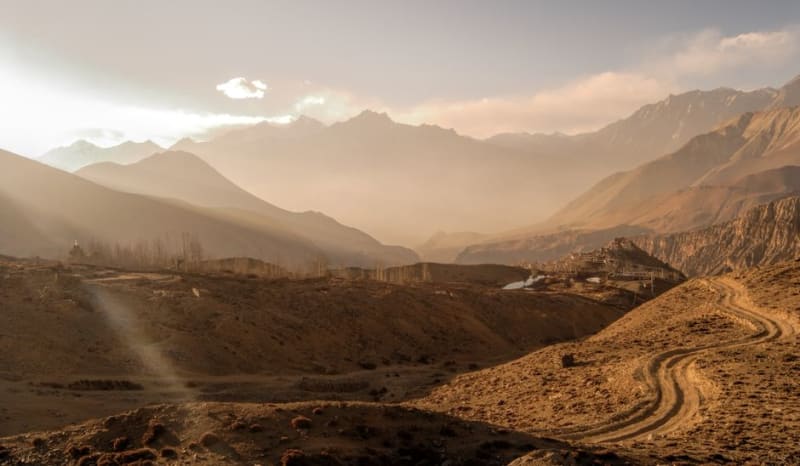 nepal
nepal Jomsom
The windy administrative gateway to Upper Mustang, where every jeep, flight, and trekking permit into the restricted kingdom funnels through one dusty airstrip.
Explore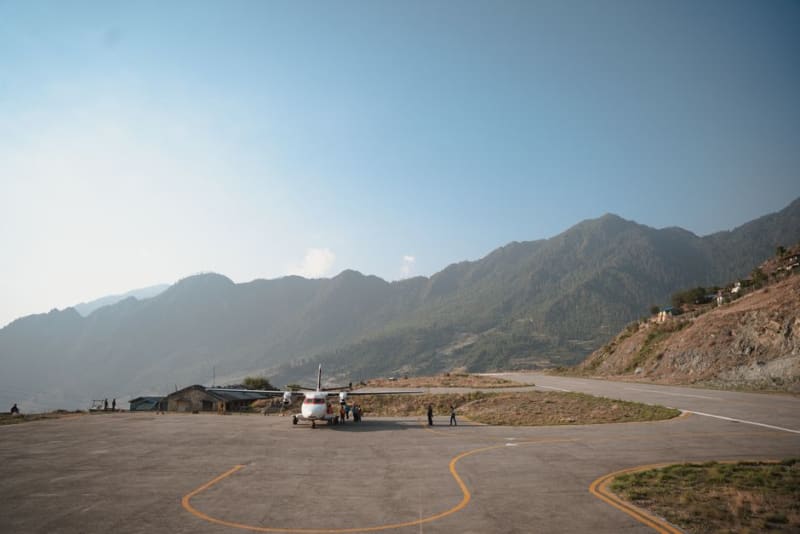 nepal
nepal Jumla
The remote district capital of Nepal's mid-west, a valley of apple orchards and the highest-altitude rice paddies in the world, gateway to Rara Lake.
Explore nepal
nepal Kagbeni
A medieval walled village at the mouth of Upper Mustang, where the Kali Gandaki gorge narrows and the checkpoint into the restricted kingdom actually stamps your permit.
Explore