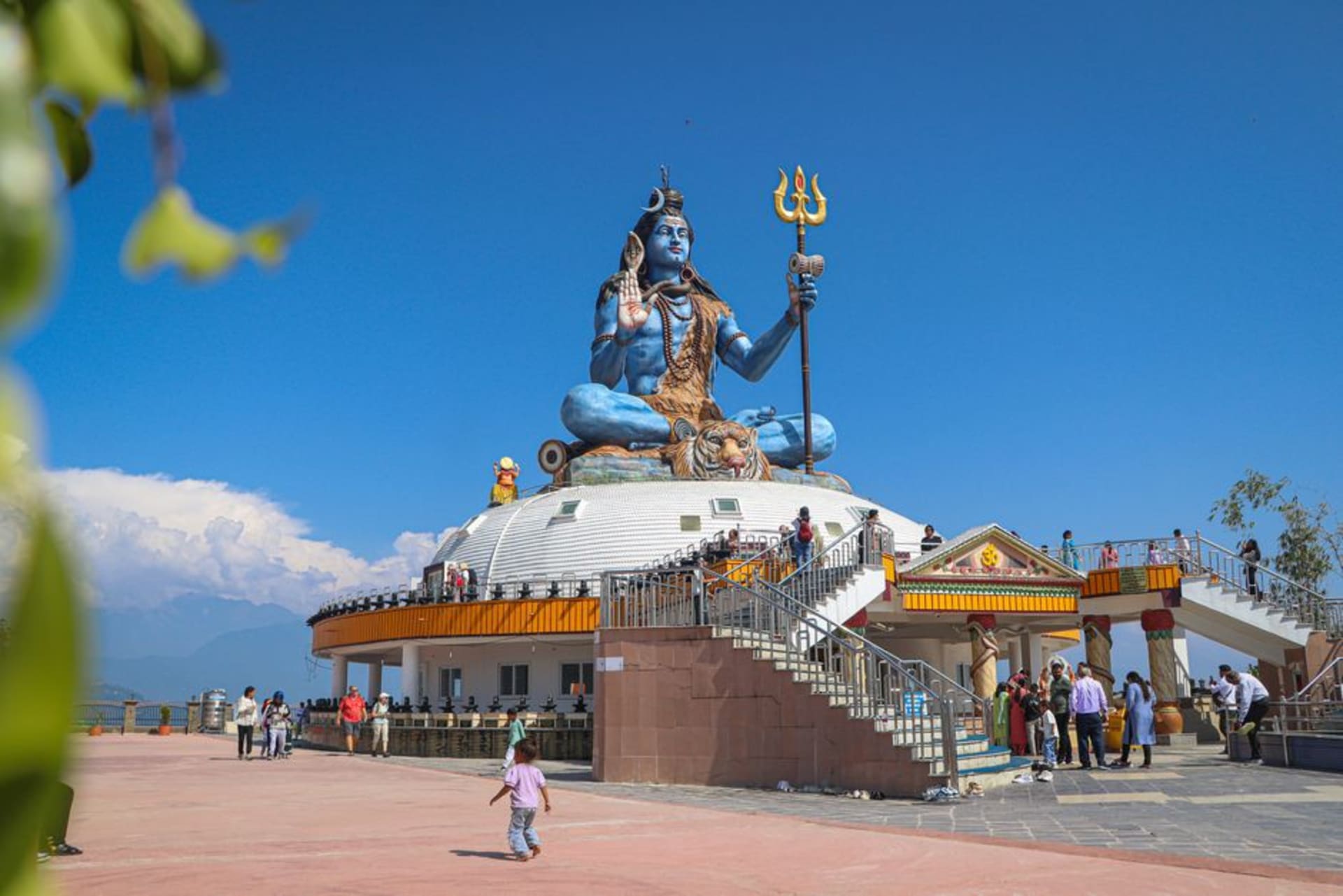
Halesi Mahadev
"I've visited plenty of temples in Nepal. Halesi is the only one I had to crawl into."
A vast limestone cave temple sacred to Hindus and Buddhists alike, hidden in the hills of Khotang district and reached by a barefoot scramble through the dark.
Halesi Mahadev sits in Khotang district, roughly a day’s travel from Dharan on progressively rougher roads, and I almost skipped it because every map I checked made it look inconveniently placed relative to everything else on my route. I’m glad curiosity won out. This is a cave temple, not a built one — a natural limestone cavern in a hillside that both Hindus and Buddhists have worshipped at for centuries, each tradition reading different meaning into the same dripping stone.
The Cave Itself
You leave your shoes at the entrance and climb into the cave on foot, then, further in, on hands and knees through a low passage locals call the “sin-testing” gap — tradition holds that those burdened with wrongdoing will find themselves physically unable to pass through it. I fit through with room to spare, which either says something about my conscience or nothing at all, and emerged into a wider chamber where stalactites have formed shapes that pilgrims interpret as a naturally occurring Shiva lingam, along with formations read as representations of other deities. Oil lamps lit the dark in scattered pools, and the air was thick with incense smoke that had nowhere to go.
Where Hindu and Buddhist Devotion Overlap
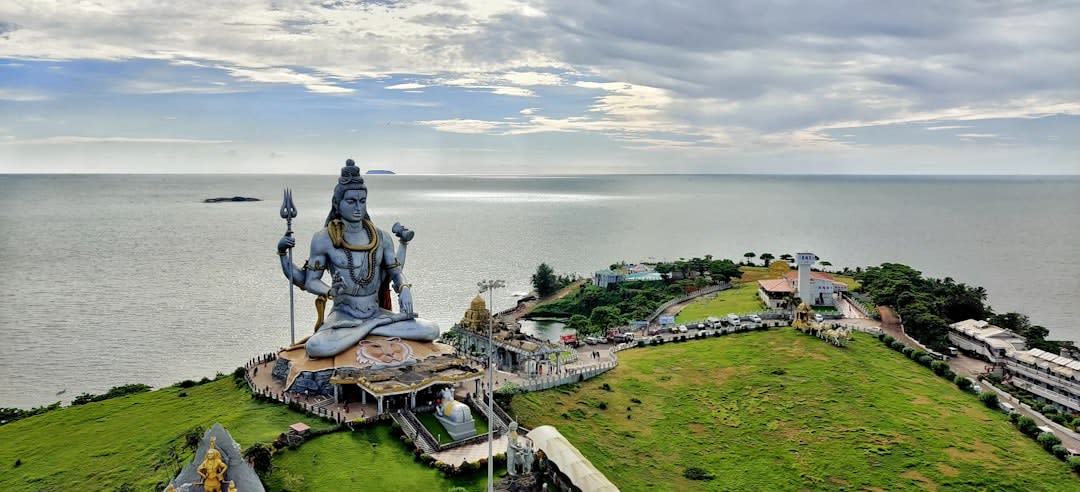
For Hindus, Halesi is sacred to Shiva, drawing pilgrims especially during Shivaratri when the surrounding hills fill with tents and the cave sees a days-long procession of worshippers. For Tibetan Buddhists, the same site is revered as Maratika, associated with Guru Rinpoche’s attainment of longevity practice, and Buddhist pilgrims from as far as Tibet and Bhutan make the journey to circumambulate the cave and its surrounding hillside. I watched a Hindu sadhu smearing ash on his forehead near the cave mouth while, a few meters away, a group of Tibetan Buddhist pilgrims spun a large prayer wheel and murmured mantras, both groups entirely unbothered by the other’s presence — a coexistence that felt less like tolerance and more like the site simply belonging to both at once.
The Village Below
The small settlement at the base of the hill exists almost entirely to serve the pilgrimage — a scatter of guesthouses, stalls selling marigold garlands and oil for the temple lamps, a few basic eateries serving dal bhat to travelers who’d come a long way to get here. I stayed the night at one of them, woken before dawn by bells from the cave carrying down through the cold air, and walked back up in the grey early light to watch the first pilgrims of the day begin their climb before the crowds arrived.
When to go: February or March for Maha Shivaratri, when the site is at its most alive with pilgrims and ritual activity, though also its most crowded. October through December offers quieter visits with pleasant weather. The monsoon (June–September) makes the approach roads difficult and the cave floor slick.