Gupteshwor Cave
"Somewhere below Pokhara, a river you just watched vanish is roaring again in total darkness."
A limestone cave beneath Pokhara where an underground river meets a Shiva shrine in total darkness.
I’ll admit I went to Gupteshwor mostly to test the story the taxi driver told us at Davis Falls — that the water disappearing into that sinkhole reappears here, a few hundred meters away, inside this cave. It sounded like the kind of local legend that gets repeated until it hardens into fact regardless of geology. It turns out to be more or less true, and standing inside the cave listening to that same water roar through a channel in the rock, invisible and enormous, was more unsettling than I expected.
Down Into the Limestone
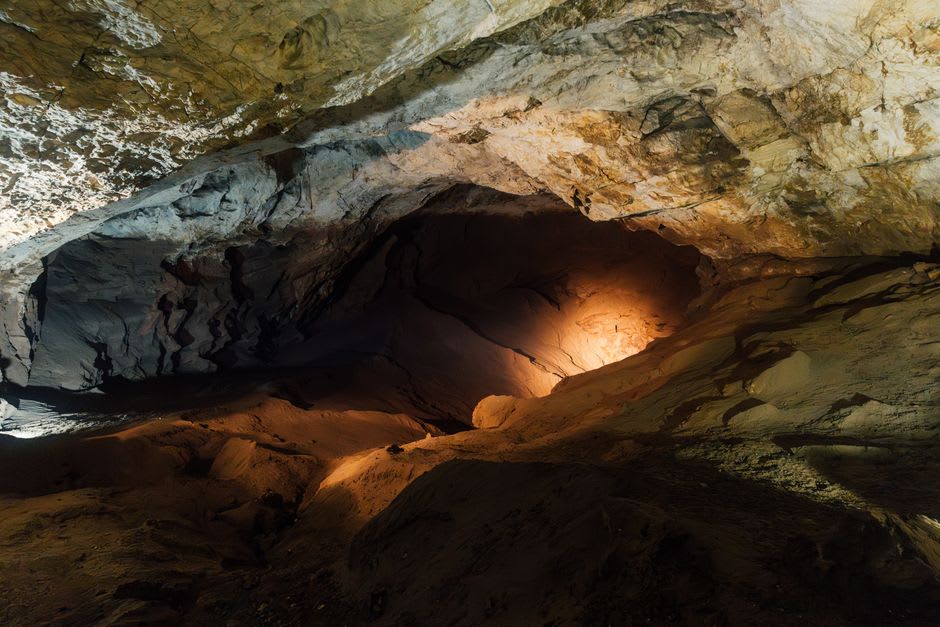
The entrance charges a small fee and drops you almost immediately into damp, uneven stone steps lit by a string of bare bulbs that flicker enough to make you grateful for a phone flashlight as backup. The passage narrows in places to where Lia had to duck, and the air changes character fast — cooler, mineral, carrying that specific cave smell of wet stone and bat guano that never quite leaves your clothes afterward. Local Hindu pilgrims come here specifically for the shrine to Shiva deep inside, and we passed several groups descending with the unhurried, familiar confidence of people who’d done this many times before.
The Roar in the Dark
The cave opens, eventually, into a large chamber where you can hear the underground river before you can see it — a low continuous roar bouncing off wet rock, louder than seems reasonable for something you can’t locate. A metal walkway leads you along the edge of it, and at one point a gap in the rock gives a partial view straight down into churning white water, moving with real force through a channel it carved itself over some geological span of time nobody at the entrance could quite explain to me. The Shiva lingam shrine sits nearby, permanently damp, oil lamps somehow still lit despite what has to be near-total humidity.
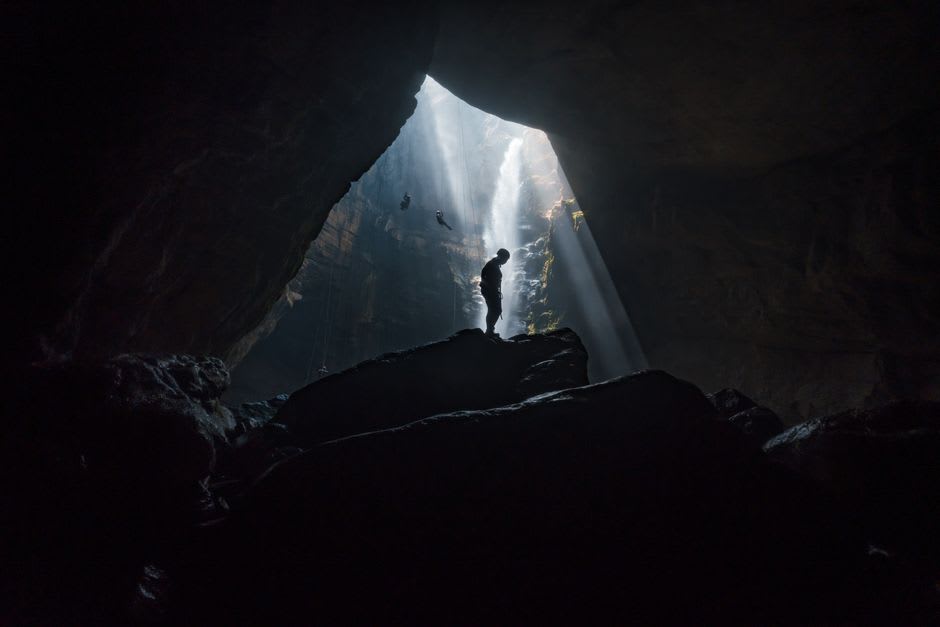
We came back up into daylight blinking and slightly damp ourselves, and Davis Falls — which we’d stood beside an hour earlier — suddenly felt like only half a story.
When to go: Year-round, since the cave is sheltered from weather, though the underground river runs loudest and most dramatic just after monsoon, from September through October. Wear shoes with real grip; the steps stay slick regardless of season.
Keep exploring
More from Nepal
 nepal
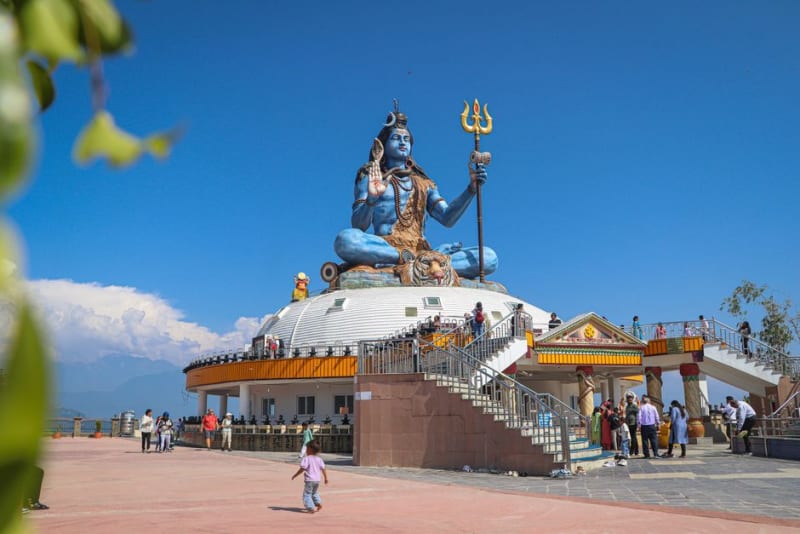
nepal Halesi Mahadev
A vast limestone cave temple sacred to Hindus and Buddhists alike, hidden in the hills of Khotang district and reached by a barefoot scramble through the dark.
Explore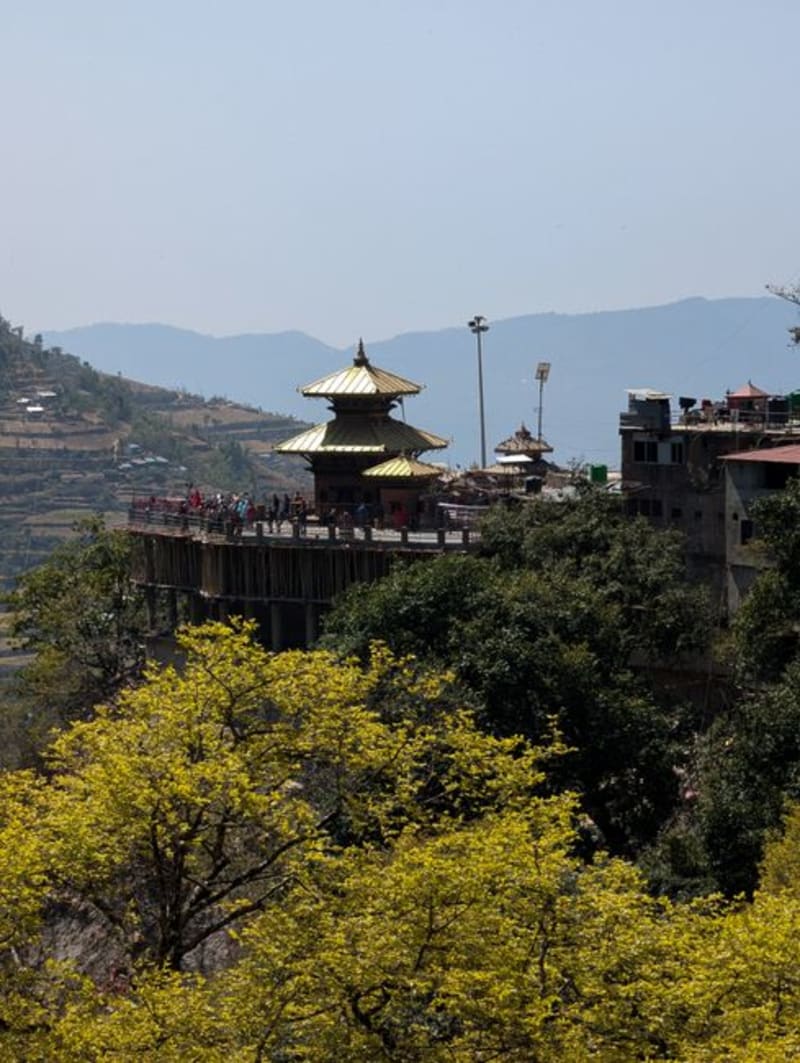 nepal
nepal Halesi Mahadev
A limestone cave temple in the eastern hills sacred to both Hindus and Buddhists, its dripping stalactite chambers doubling as a shrine to Shiva.
Explore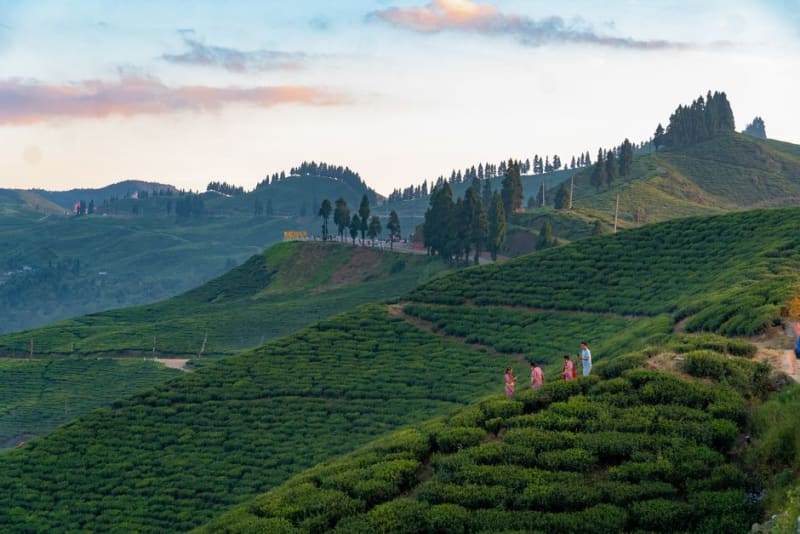 nepal
nepal Ilam
Rolling emerald tea gardens in Nepal's far east, where the hills look more like Darjeeling than the Himalayas most people picture.
Explore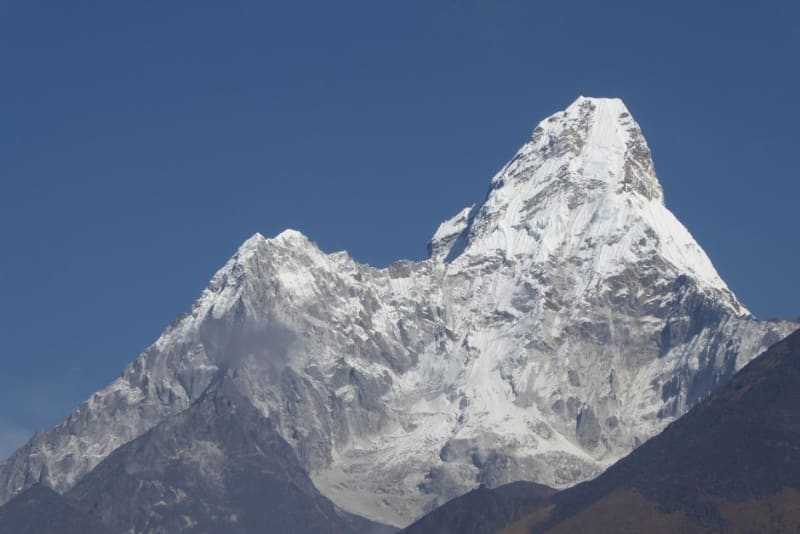 nepal
nepal International Mountain Museum
A Pokhara museum built for the climbers and Sherpas who make the Himalayas possible, not just the mountains themselves.
Explore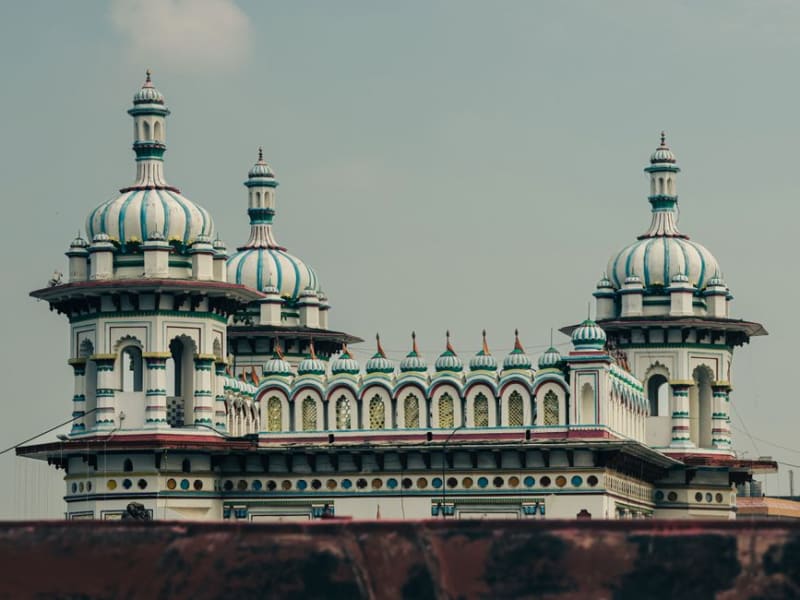 nepal
nepal Janakpur
The spiritual capital of the Mithila region, where the ornate Janaki Mandir and painted village walls reveal a Terai culture that looks nothing like the hills.
Explore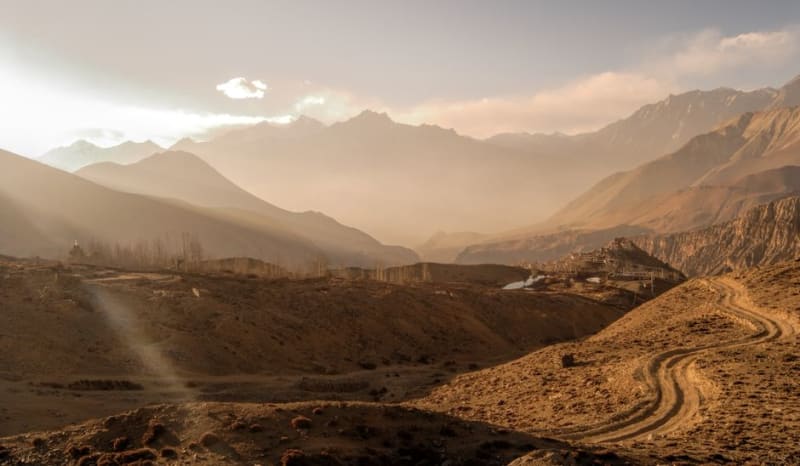 nepal
nepal Jomsom
The windy administrative gateway to Upper Mustang, where every jeep, flight, and trekking permit into the restricted kingdom funnels through one dusty airstrip.
Explore