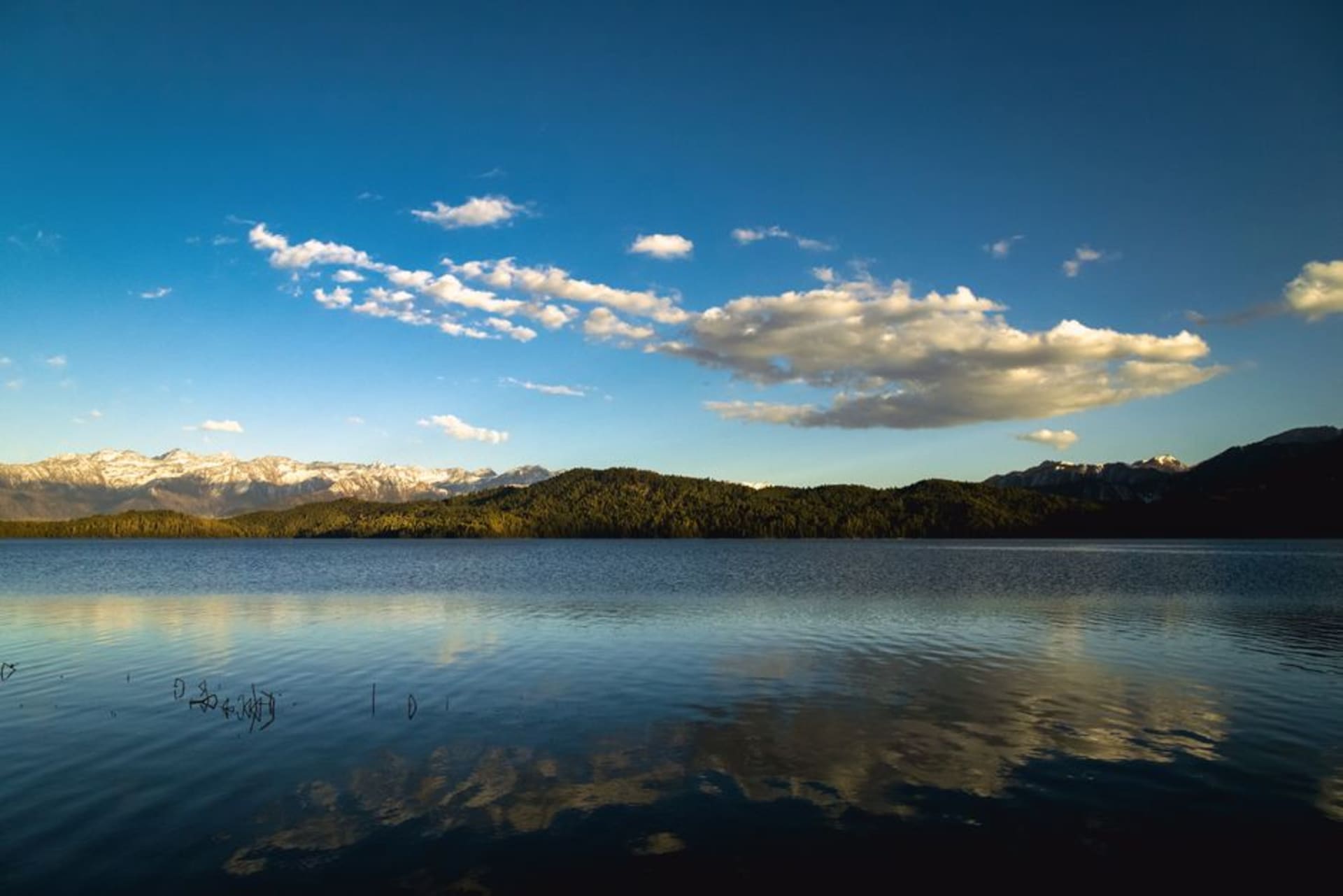
Ghodaghodi Lake
"Ghodaghodi is a wetland so quiet it made the birdsong sound like it was being played too loud."
A sprawling wetland system in the far-western Terai, a Ramsar site of lily-covered lakes, crocodiles, and migratory birds that almost no itinerary includes.
We found Ghodaghodi almost by accident, on the drive between Dhangadhi and the Bardia turnoff, when a small brown signpost mentioned a Ramsar site and Lia, who cannot pass a wetland without investigating it, made me stop the jeep.
A Lake System, Not a Lake
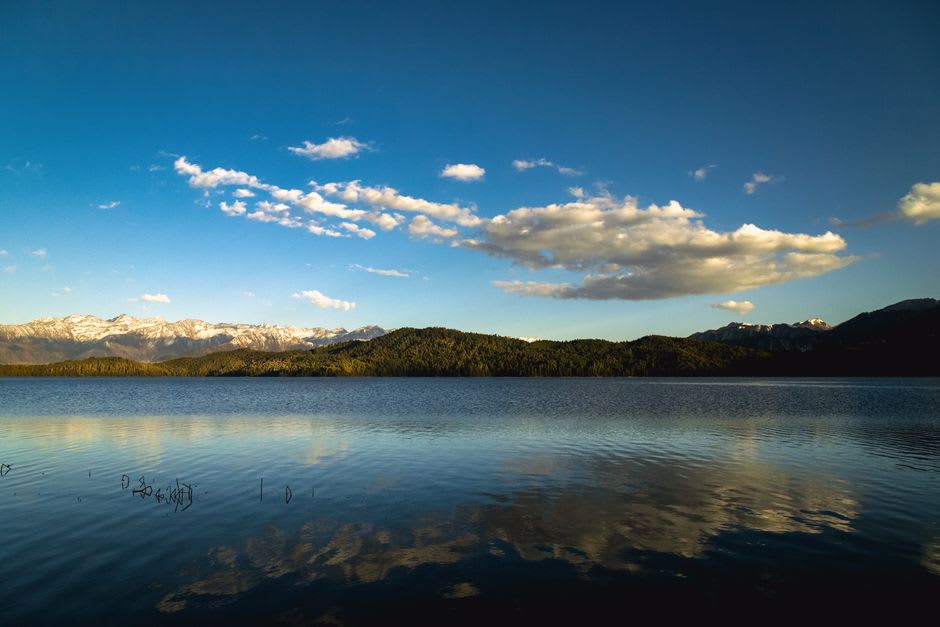
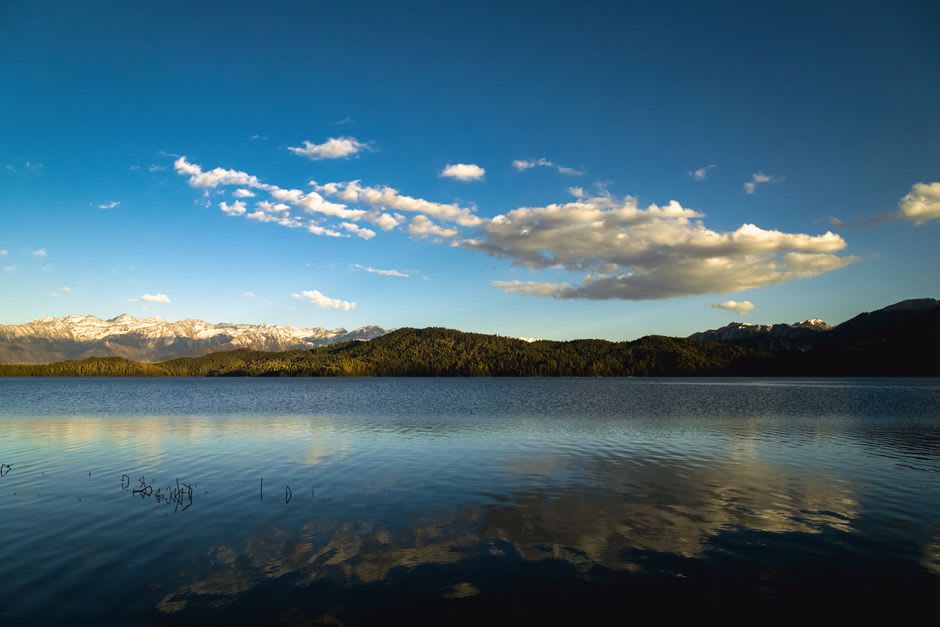
Ghodaghodi is technically a cluster of connected lakes and oxbow ponds spread across the Kailali district of far-western Nepal, fed by seasonal streams and old channels of the Karnali floodplain, and collectively recognized as one of the country’s most important wetlands under the Ramsar Convention. The main lake is large enough to lose the far shore in morning mist, its surface thick with white and pink water lilies that the local Tharu communities harvest for both food and traditional medicine.
Crocodiles, Storks, and a Boatman Named Bir Bahadur
A local Tharu boatman, Bir Bahadur, poled us out in a narrow wooden canoe past marsh mugger crocodiles sunning on half-submerged logs and a colony of lesser adjutant storks, a species rare enough elsewhere that birdwatchers travel specifically for a glimpse of it. He pointed out a fishing cat print in the mud near the shoreline with the same casual authority someone else might use to point out a parking spot — for him this was simply the neighborhood.
What struck me most was how little infrastructure existed around a site this ecologically significant — no visitor center, no ticket booth, just a scattering of Tharu villages whose relationship with the wetland long predates any conservation designation. Bir Bahadur mentioned, without much emphasis, that his grandfather had fished these same channels, and that the lily harvest still followed rules set by community consensus rather than any park authority. It felt like one of the few wetlands I’d visited anywhere that hadn’t yet been separated from the people living beside it.
When to go: December through February brings the highest concentration of migratory waterbirds and cool, comfortable mornings on the water. March through May is warmer with resident birdlife still active. Avoid the monsoon months of June through September, when the lake system floods and access becomes difficult.