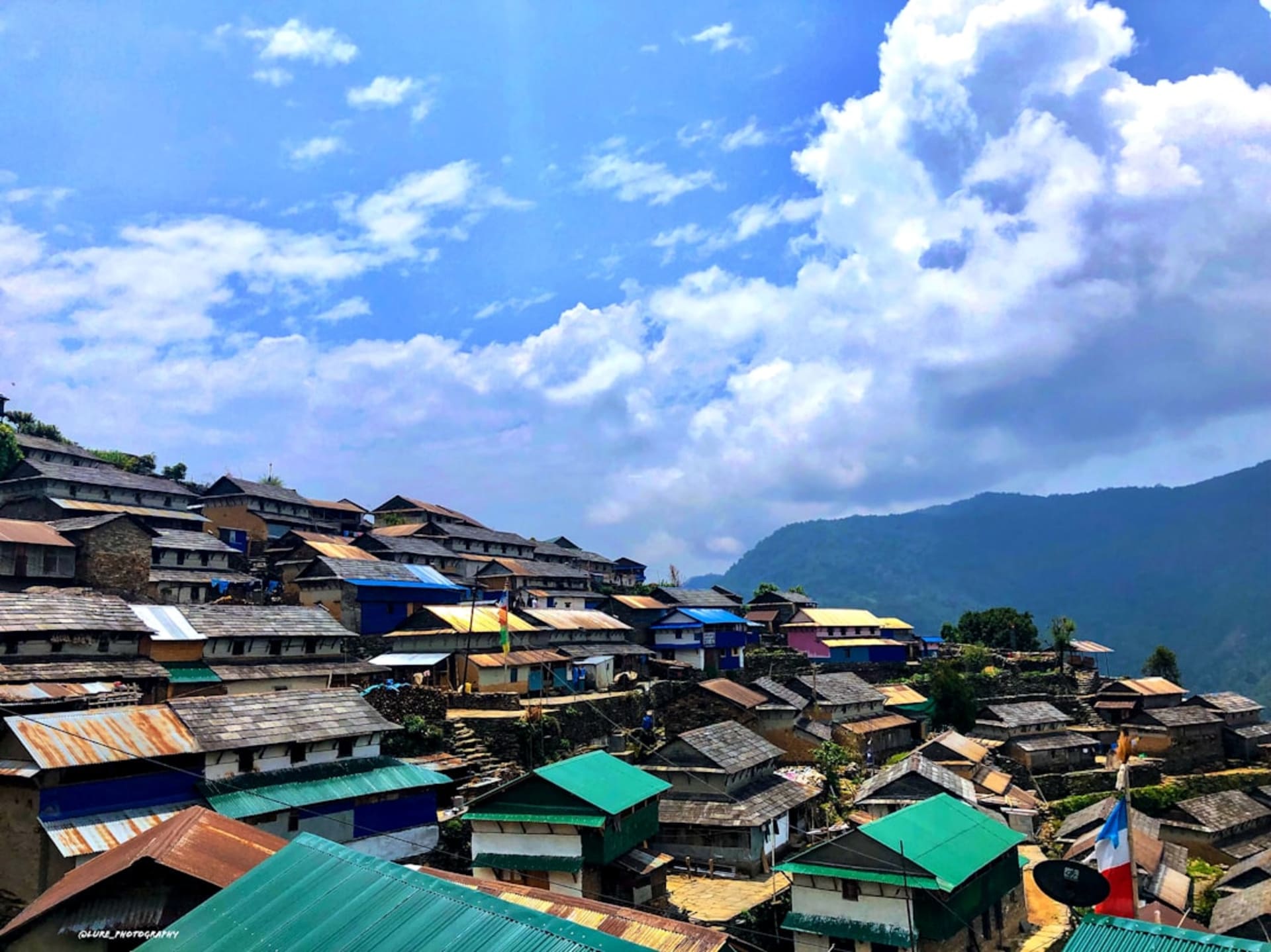
Ghale Gaun
"Nobody was walking to Ghale Gaun to get somewhere else. That, more than anything, is what made it feel different."
A Gurung heritage village on a ridge above the Marshyangdi valley, developed as a community tourism model rather than a trekking-route waypoint, with almost none of the foot traffic of the main Annapurna trails.
Ghale Gaun isn’t on the way to anywhere. That’s the whole point of it. Most Annapurna-region villages exist as waypoints on a longer circuit or a route toward a base camp, and their character gets shaped by that transience — guesthouses built for one-night stays, menus standardized for tired trekkers moving on at dawn. Ghale Gaun, a ridge-top Gurung village at around 2,000 meters above the Marshyangdi valley, was deliberately developed in the 1990s as a standalone community tourism destination, and it feels like it: homestays instead of teahouses, evenings built around shared meals and cultural programs rather than early bedtimes before the next pass.
A homestay, not a teahouse
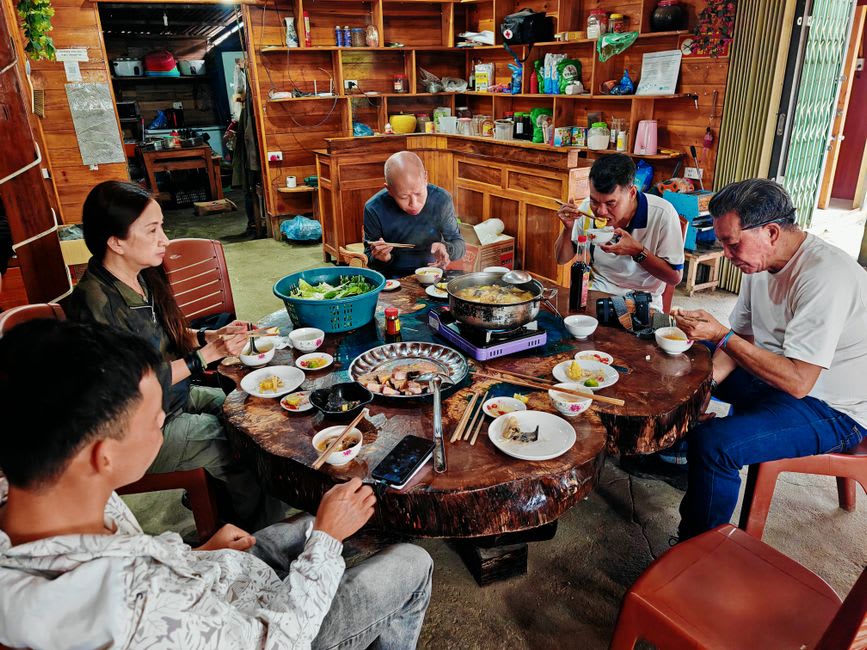
I stayed with a Gurung family whose grandfather had served in the British Gurkha regiments, and the dinner conversation covered his deployment history, the family’s terraced fields, and an extended, good-natured argument about whether French or Nepali cheese was better, which Lia entered into with more conviction than the topic strictly required. It’s a different register of hospitality than the transactional efficiency of a busy circuit teahouse — slower, more curious about the guest, less oriented around turning the room over by morning.
The view nobody talks about
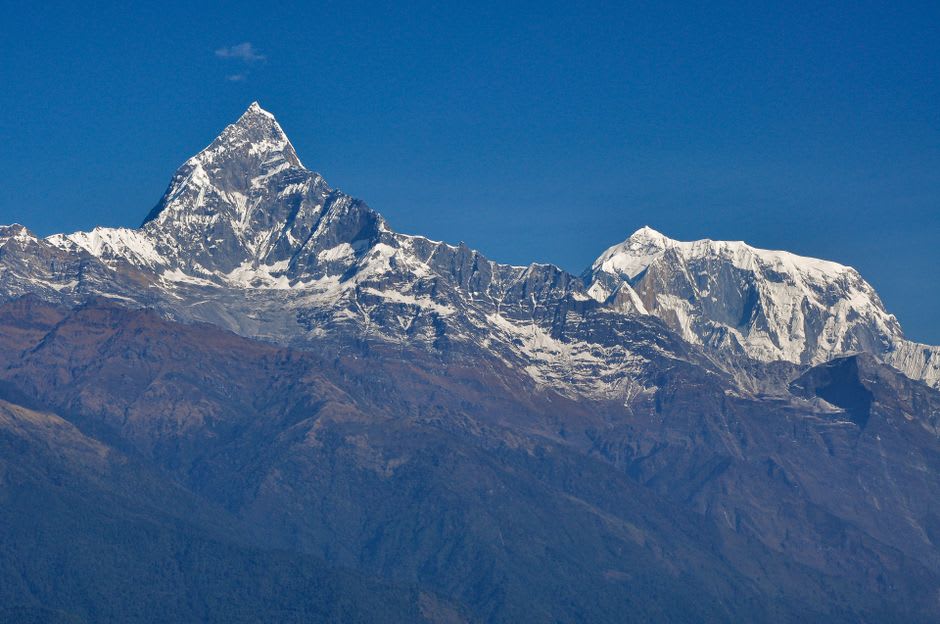
Ghale Gaun’s other underrated feature is its panorama — a genuinely wide sweep that takes in Manaslu, Himchuli, Annapurna II, and Lamjung Himal from a single ridge, without any of the multi-day approach the same view usually requires elsewhere. There’s a dedicated viewpoint a short walk above the village, marked with a simple sign and almost nobody on it even at sunrise, which was a strange novelty after busier stretches of the region.
The village also runs occasional cultural evenings with traditional Gurung dance and song, arranged for groups rather than staged nightly, and we happened to catch one purely by coincidence of timing. It felt unrehearsed in a way that similar tourist-facing performances elsewhere in Nepal often don’t.
When to go: October through November offers the clearest mountain views for the panorama walk. Spring, March into April, brings warmer homestay evenings and terraced fields turning green, though visibility on the ridge is slightly less reliable.
Keep exploring
More from Nepal
 nepal
nepal Ghami
A terraced Upper Mustang village guarding one of the longest mani walls in Nepal, wedged between eroded canyons on the jeep road to Lo Manthang.
Explore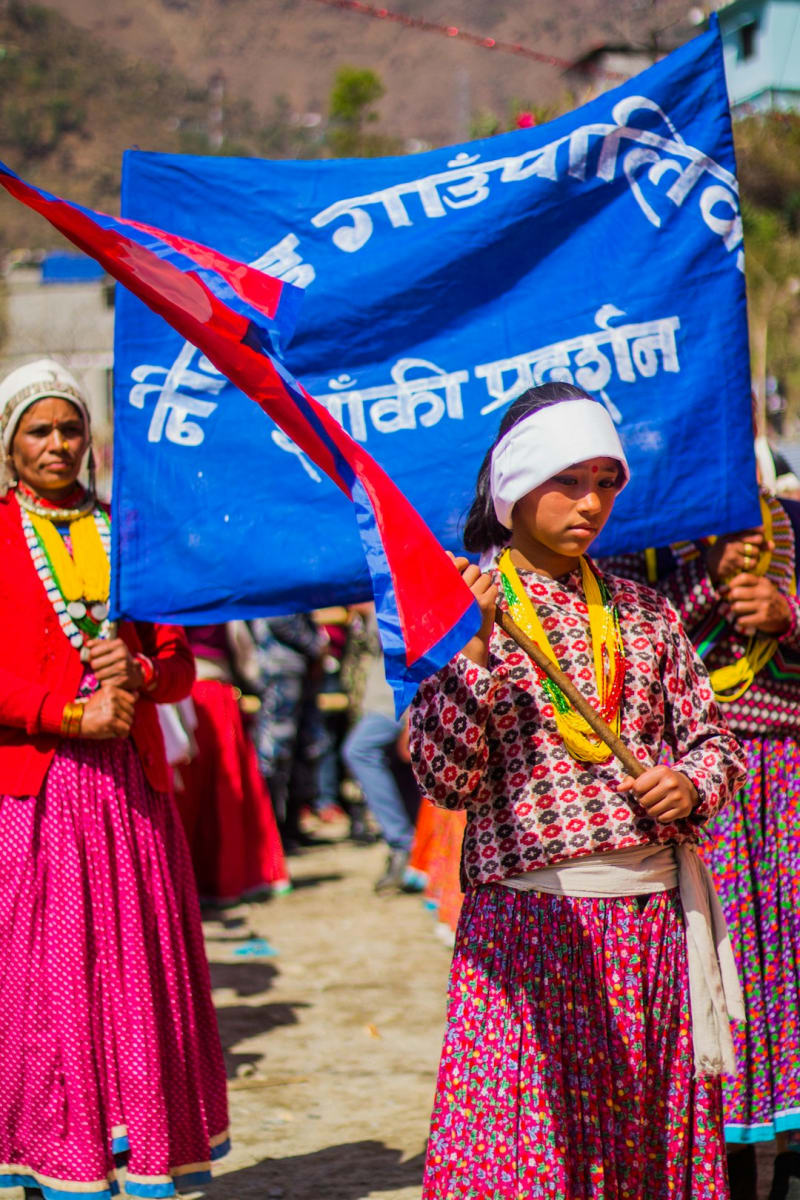 nepal
nepal Ghandruk
A stone-and-slate Gurung village stacked into an Annapurna hillside, close enough to reach in two easy days and beautiful enough that you'll wish you'd budgeted for a third.
Explore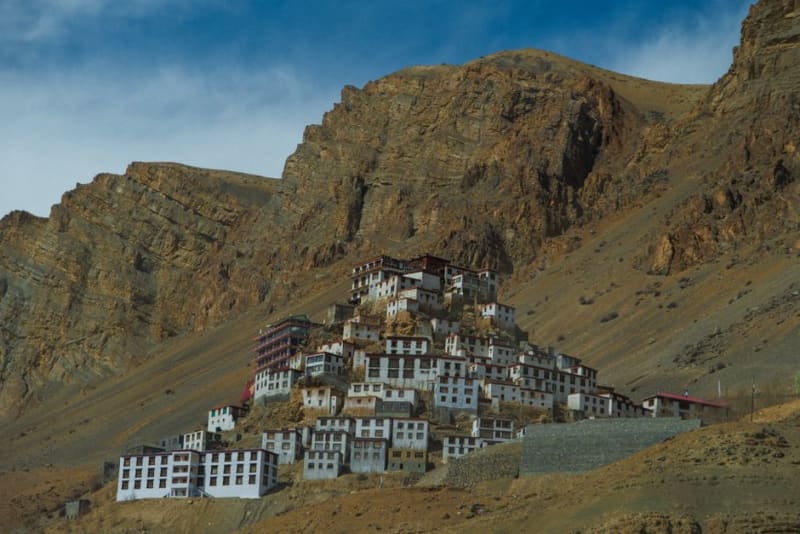 nepal
nepal Ghar Gompa
A cliffside monastery older than Tibetan Buddhism's own oldest monastery, tucked in a side valley that most Upper Mustang jeep routes bypass.
Explore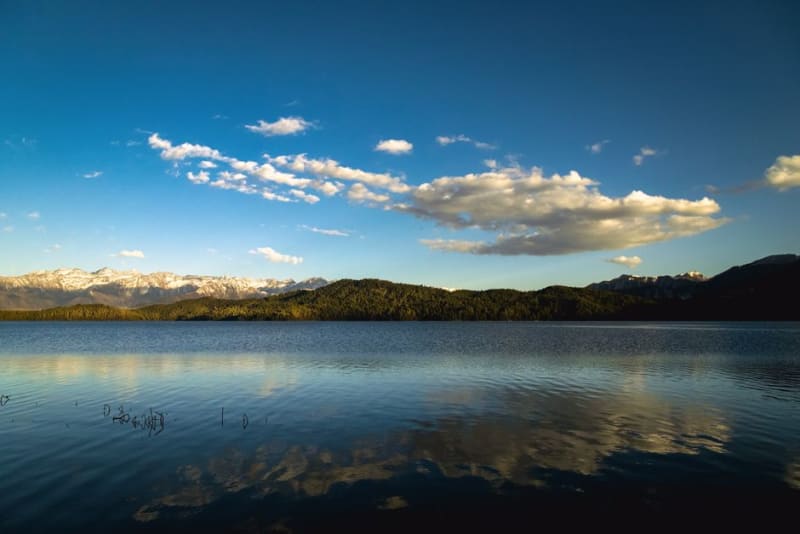 nepal
nepal Ghodaghodi Lake
A sprawling wetland system in the far-western Terai, a Ramsar site of lily-covered lakes, crocodiles, and migratory birds that almost no itinerary includes.
Explore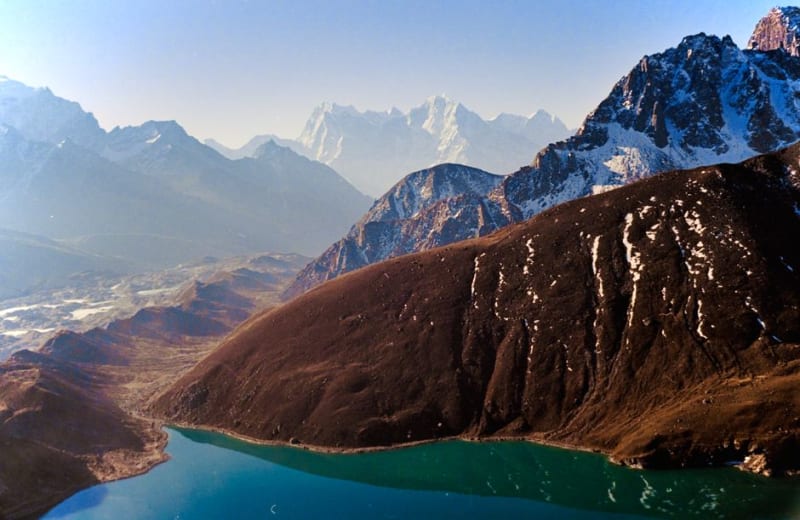 nepal
nepal Gokyo Lakes
A chain of glacial lakes in a side valley west of the main Everest trail, turquoise against grey moraine, reached by far fewer trekkers than the numbers deserve.
Explore nepal
nepal Gorkha
The hilltop fortress town where Prithvi Narayan Shah launched the unification of Nepal, still guarded by a palace perched improbably on a cliff edge.
Explore