
Dhorpatan Hunting Reserve
"Dhorpatan is the strangest thing Nepal has: a protected wilderness that legally allows you to hunt in it."
Nepal's only hunting reserve, a wide grassland valley ringed by the Dhaulagiri range where blue sheep graze and almost no foreign trekkers go.
The name confused me at first. A hunting reserve, inside a country whose entire tourism identity runs on nature and conservation? But Dhorpatan is exactly that — Nepal’s sole legal hunting reserve, a 1,325-square-kilometer stretch of grassland and forest in the mid-west where a strictly permitted, government-regulated trophy hunt for blue sheep still takes place a handful of times a year, and where the rest of the time the valley functions as a quiet, thinly visited wilderness.
A Valley That Feels Tibetan
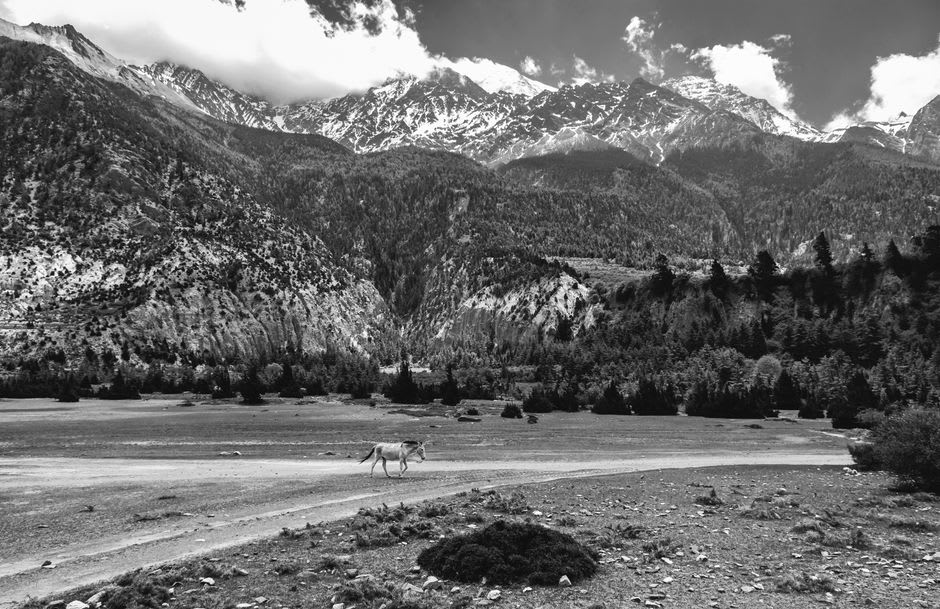
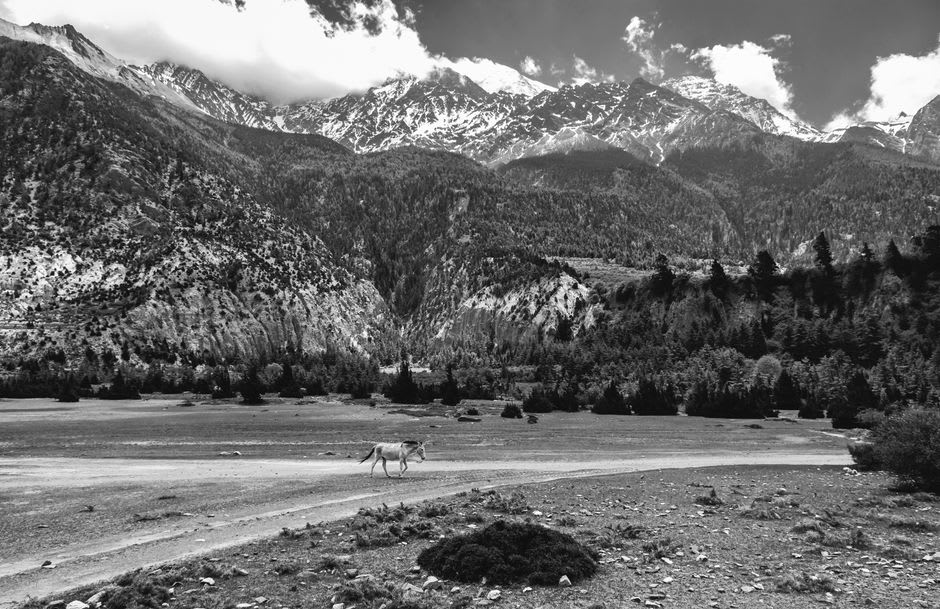
We reached Dhorpatan on a side trek off the main Dhaulagiri circuit, dropping down from a high pass into a valley that felt abruptly different from the forested trails behind us — wide, treeless, golden-brown in autumn, ringed by the serrated wall of the Dhaulagiri massif to the north. The Magar and Tibetan-refugee communities who settled here after 1960 raise yak and sheep across the open ground, and the settlement of Dhorpatan itself is really a scattering of farms rather than a single village.
Blue Sheep and an Uneasy Peace
We spotted a herd of blue sheep, or naur, grazing a steep slope above the valley floor in the late afternoon, and our guide explained the reserve’s odd dual mandate: conservation quotas set the population that can sustain a very limited hunt, with permits sold to foreign hunters at a price that funds much of the reserve’s management. It sat uneasily with me at first, watching an animal this calm and this beautiful while being told, matter-of-factly, that a small number of them get shot each year under license. But the alternative in a region this poor and this remote is often worse — no funding, no rangers, no protection at all.
Lia found the whole arrangement stranger than I did, and we argued about it, gently, over dal bhat that night in a farmhouse that doubled as a lodge — one of maybe two in the entire valley equipped to host trekkers. It’s the kind of place that leaves you with more questions than answers, which I’ve come to think is one of the better outcomes travel can offer.
When to go: October and November bring clear skies and the best visibility of Dhaulagiri, right after the monsoon clears. April and May work for wildflowers and milder temperatures, though afternoon cloud builds more often. Winter closes most trails under snow.