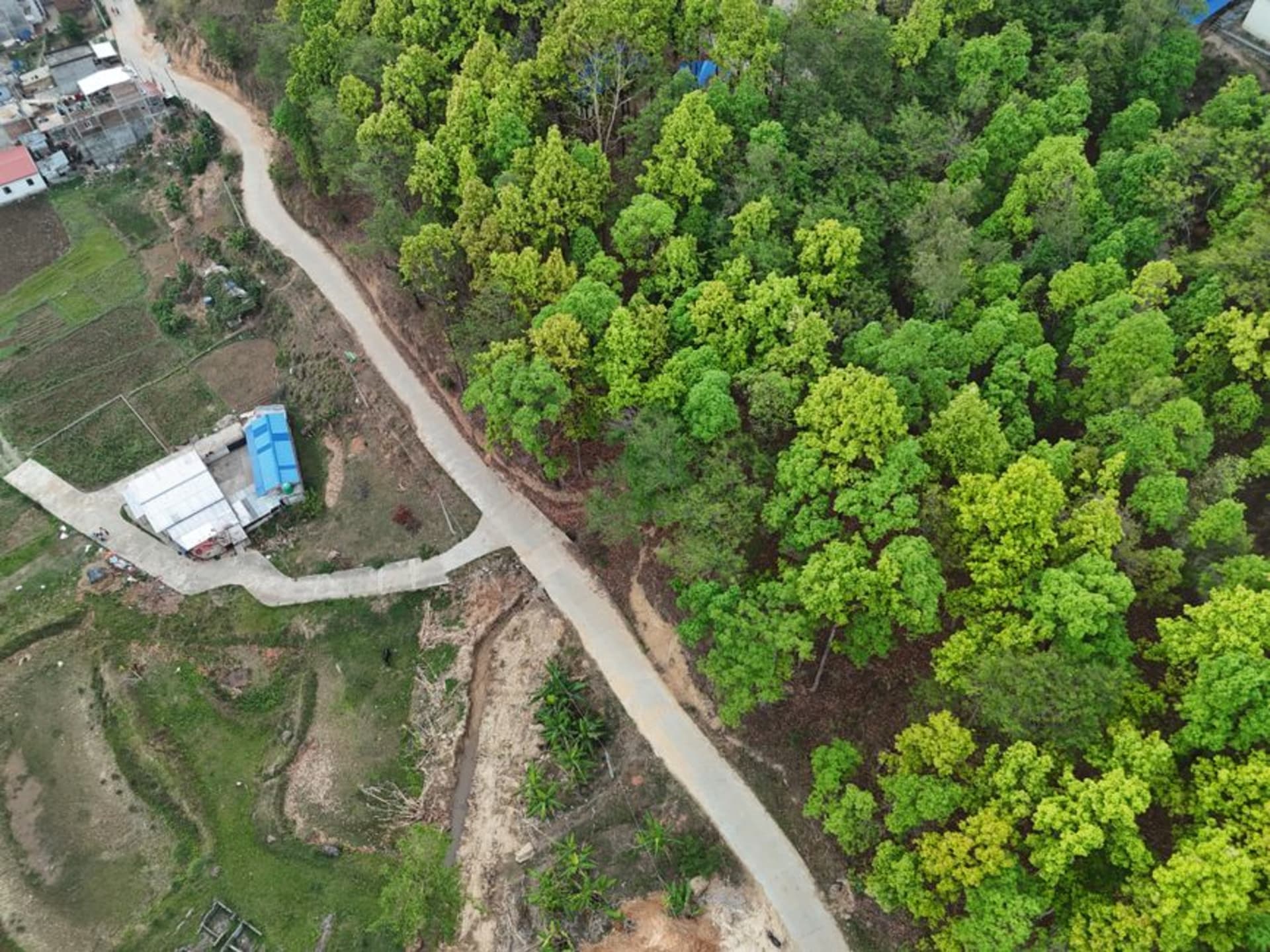
A breezy foothill city on the edge of the Terai, where Gurkha history, Kirat temples, and eastern Nepal's best street food converge.
I ended up in Dharan by accident, using it as a stopover between Kathmandu and the trailhead toward Kanchenjunga. I stayed four nights instead of one. It’s not a city that advertises itself — there’s no single monument that appears on postcards — but it has a texture I didn’t expect: wide, oddly grid-planned streets left over from British Gurkha recruitment days, a British Army camp that still processes recruits, and a hill breeze that drops the temperature ten degrees the moment you climb out of the Terai flatlands into the city proper.
The Gurkha Legacy
Dharan has supplied Gurkha soldiers to the British and Indian armies for over a century, and that history is embedded everywhere — in the retired soldiers walking the Bhanu Bhakta Marg in the evening with the particular bearing of ex-military men, in the pension offices near the British Gurkha Camp, in the disproportionate number of well-kept homes funded by remittances from soldiers stationed abroad. I spent an afternoon talking to a retired Gurkha in his seventies who’d served in Hong Kong and Brunei in the 1970s. He told me Dharan’s climate — cool, breezy, buffered from both Terai heat and hill cold — was the reason so many veterans settled here rather than returning to remote home villages.
Bijayapur and the Suspension Bridge
North of the city center, the Bijayapur Khola cuts a small gorge that locals treat as a weekend escape — a swinging suspension bridge crosses the river toward the Salleri Danda ridge, and university students from the nearby BP Koirala Institute of Health Sciences come here in groups in the late afternoon, letting their feet hang off the bridge cables while the water runs cold and clear beneath them. Lia and I followed a trail along the riverbank until it thinned to almost nothing and found a flat rock to sit on, eating store-bought biscuits and watching kingfishers work the shallows.
Pindeshwor and the Streets After Dark
The Pindeshwor Mahadev Temple near the old bus park draws a steady stream of worshippers, its Shiva lingam housed in a compound that feels more neighborhood shrine than tourist site — nobody looked twice at us for wandering through at dusk with the bells ringing for evening aarti. Afterward we ate at one of the countless small stalls near Bhanu Chowk: chatamari, a rice-flour crepe piled with minced meat and egg that Dharan does better than anywhere else I found in Nepal, plus sel roti fried fresh and still warm. The street food scene here runs late and cheap, fueled by the university crowd, and I’ve thought about that chatamari more than once since leaving.
When to go: October through March for the mildest weather and clearest views of the surrounding hills. April and May get hot as the Terai heat pushes upward. The monsoon (June–September) is humid and heavy with rain, though the Bijayapur gorge runs fullest and most dramatic during this period if you don’t mind the wet.