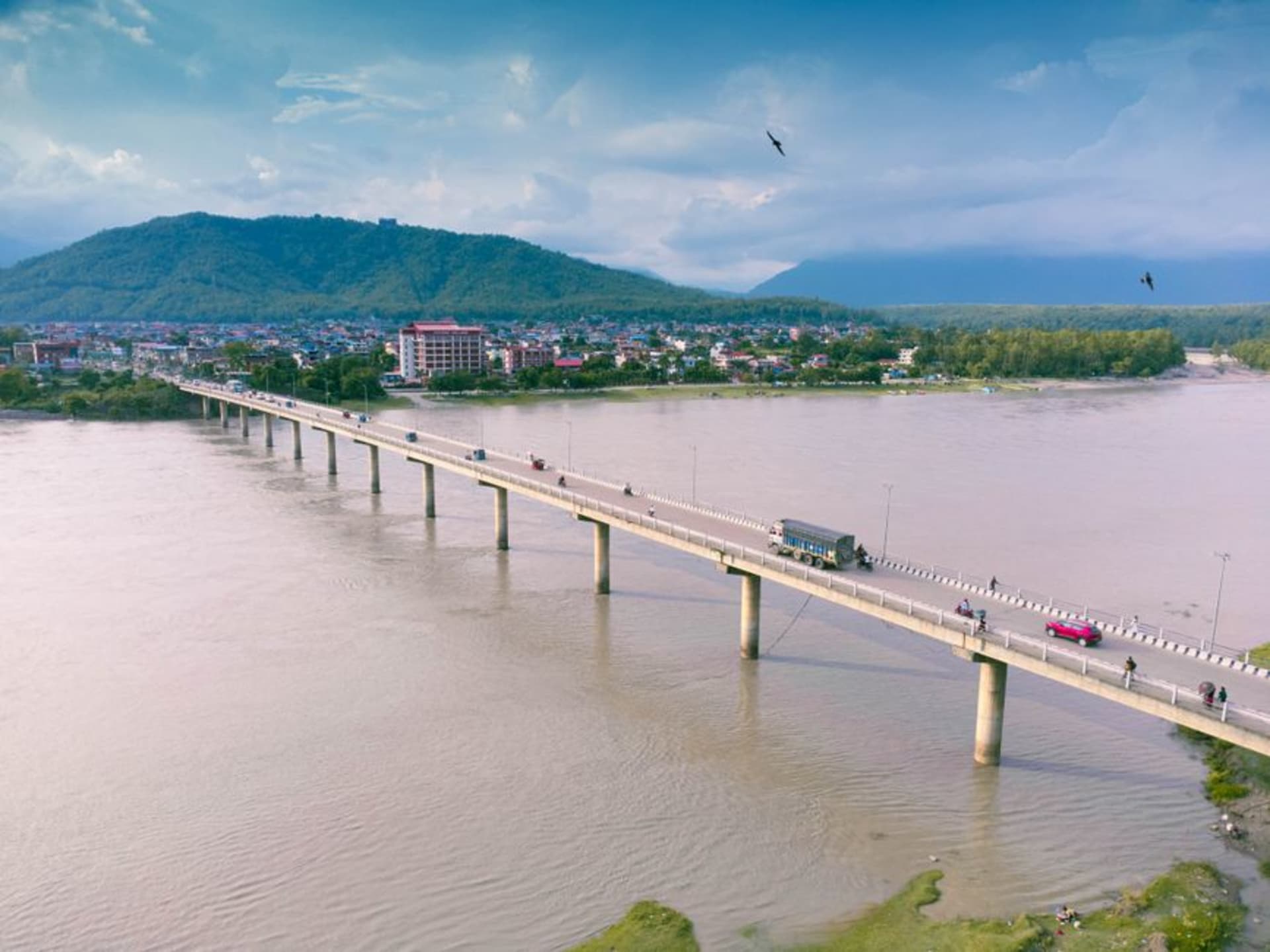
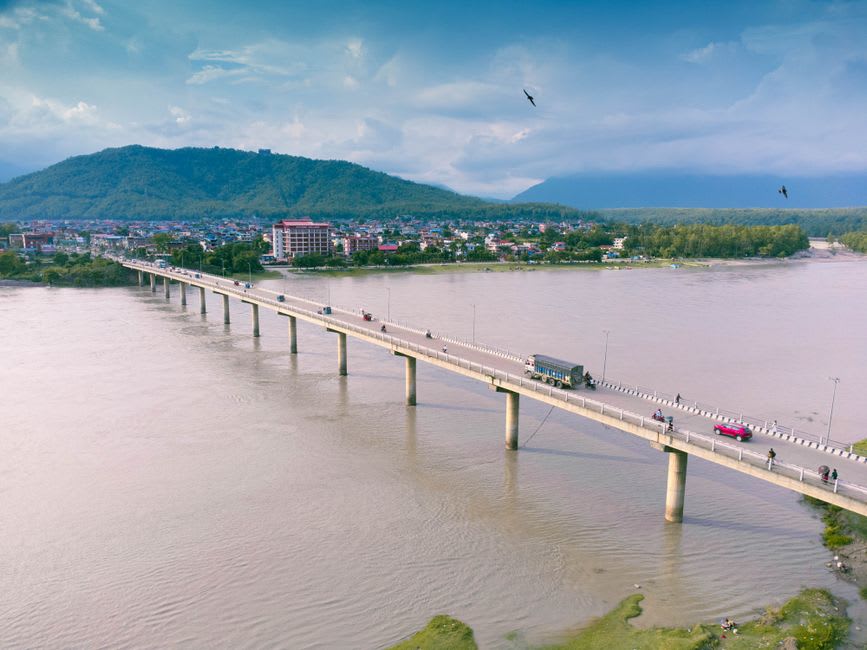
Dhangadhi
"By the time I reached Dhangadhi I'd been traveling west for a week and still hadn't reached the edge of Nepal. That scale is easy to underestimate."
The far-western Terai's main gateway city, and the launch point for Suklaphanta National Park and the wetlands of Ghodaghodi Lake.
Dhangadhi sits so far west in Nepal that it feels like a different country from Kathmandu — closer to Lucknow than to the capital in travel time, and rarely visited by anyone not specifically headed toward Suklaphanta National Park or the far-western hill districts beyond it. Lia and I ended up spending four days based there, using it as a hub, and came away thinking it deserved more attention on its own.
Suklaphanta’s Swamp Deer
Suklaphanta National Park, about an hour from the city, protects the largest population of swamp deer, or barasingha, left in Nepal — herds that can number in the hundreds moving across open grassland at dusk. Our jeep safari there was quieter and less crowded than anything comparable in Chitwan; at one point we sat parked at the edge of a phanta, one of the park’s signature open grasslands, watching a herd graze as the light went gold, with no other vehicle in sight the entire time.
Ghodaghodi Lake
Closer to the city, Ghodaghodi Lake is a Ramsar-listed wetland complex that most visitors to Nepal have never heard of — a network of lakes and marshes surrounded by remnant forest, important enough ecologically to host resident and migratory waterfowl in serious numbers. We hired a local rowboat at dawn and drifted between water lilies while a fishing cormorant worked the shallows nearby, the whole scene undisturbed by any other tourist presence.
The City Itself
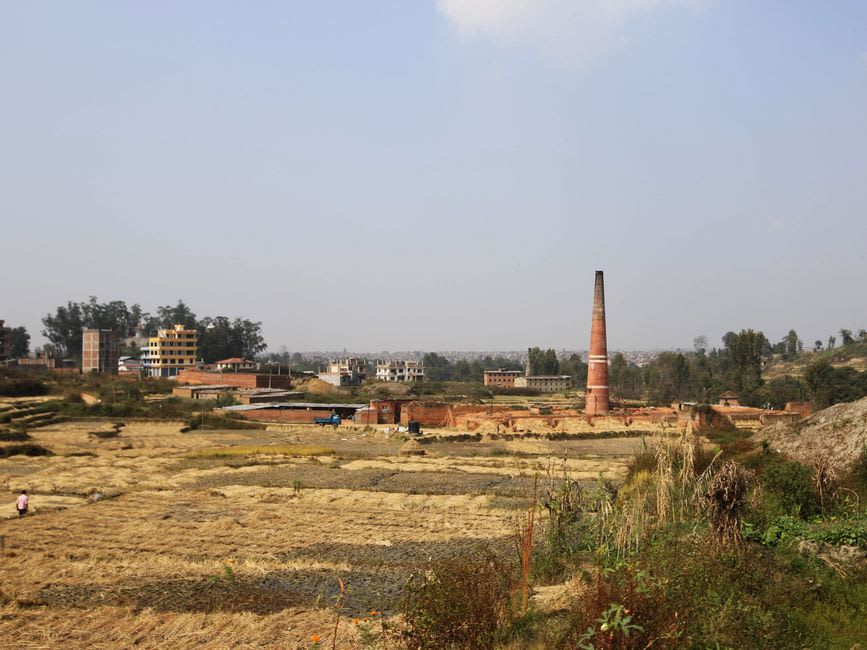
Dhangadhi proper is unremarkable in the way most gateway cities are — a market strip, a river ghat on the Kandra where locals bathe in the evening, motorbikes outnumbering cars by a wide margin. But there’s a genuine ease to it, a sense of a city that isn’t performing for outsiders because it barely expects any.
When to go: March through May and October through December are the strongest windows for wildlife viewing at both Suklaphanta and Ghodaghodi. The monsoon from June through September brings heavy rain and limited access; peak summer heat in the weeks before the monsoon can be extreme.