Devghat
"Devghat is where people go to finish their lives well, and it changes how you walk through it."
A sacred river confluence near Chitwan where elderly Hindus retire to spend their final years, ashrams lining the banks in unhurried, deliberate quiet.
I nearly skipped Devghat, assuming a river confluence a short detour from Chitwan wouldn’t offer much beyond scenery. I was wrong in a way that stuck with me longer than most of the more obviously spectacular places I visited in Nepal. Devghat, where the Kali Gandaki and Trishuli rivers meet to form the Narayani, is where devout elderly Hindus from across Nepal and India come to spend their final years, living simply in riverside ashrams, believing that dying here brings a particularly auspicious release.
Walking Among the Ashrams
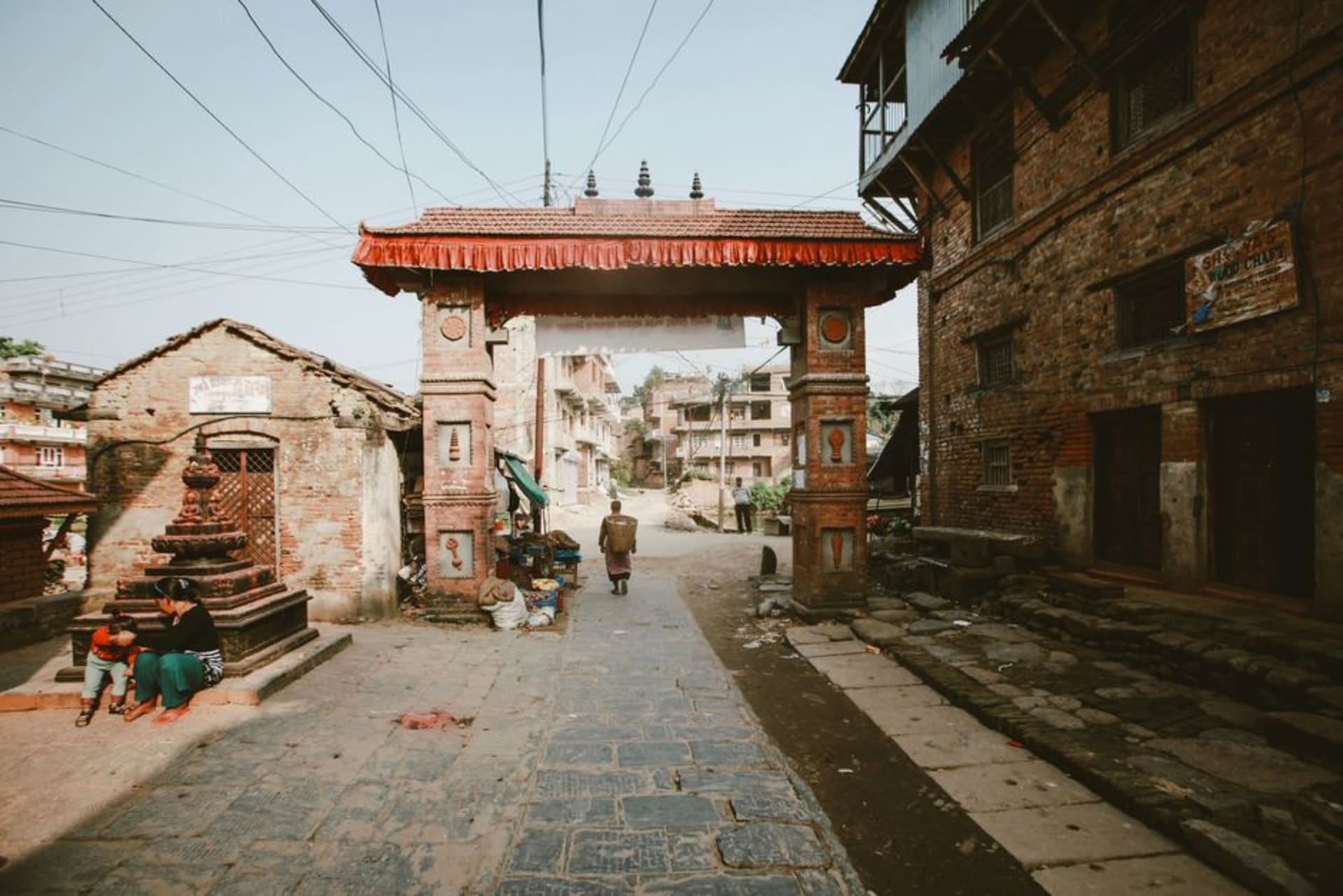
We arrived by local bus and crossed a narrow suspension bridge into a settlement of low stone and mud buildings strung along both banks, smoke rising from cooking fires, elderly residents moving slowly along the paths in white and saffron cloth. Nobody hurried, and after a few minutes neither did we. An old woman sitting outside her small room gestured us over and, through a mixture of broken Hindi and hand signals, offered us puffed rice from a tin, delighted simply that we had stopped to sit with her rather than just photograph the scene and move on.
The Confluence Itself
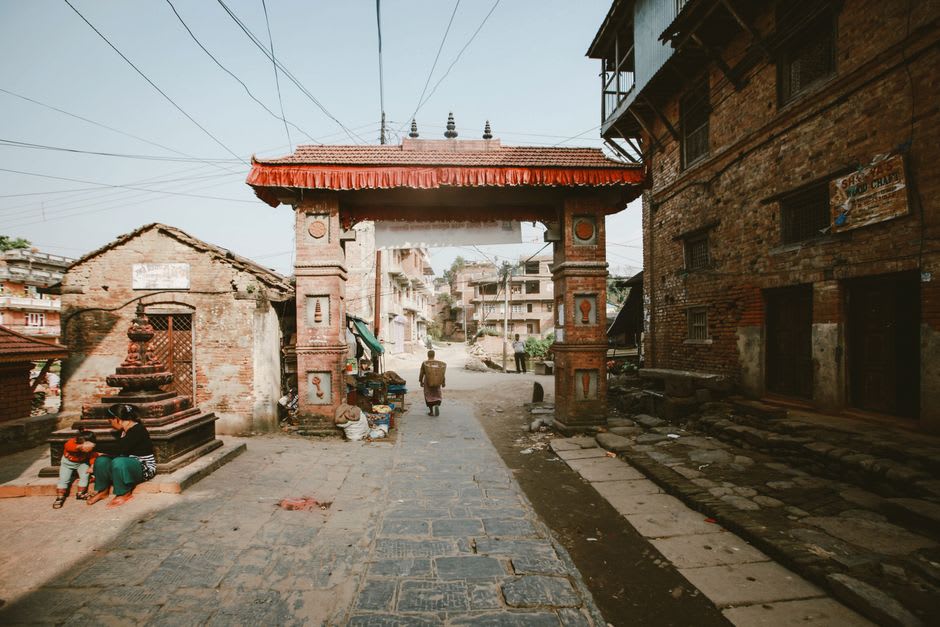
The meeting of the two rivers is visually striking — one channel notably clearer, the other carrying more silt, the two colors running side by side for a stretch before finally blending — but what stayed with me was the ritual quiet along the banks. Pilgrims bathed slowly, deliberately, some clearly weakened by age, helped into the water by family members or by strangers who simply stepped in to help. Lia and I sat on a low wall a respectful distance away and didn’t speak for a long time.
A Different Kind of Travel Memory
There is no real attraction to tick off at Devghat, no monument with a plaque, and that is precisely the point. I left with a specific, quiet discomfort about how little space Western travel culture generally makes for aging and mortality, and how naturally this town has built its entire identity around both.
When to go: October through March for pleasant temperatures and easy river access. Maghe Sankranti in mid-January draws the largest gathering of pilgrims for ritual bathing, though the ashrams are lived-in and worth visiting respectfully any time of year.