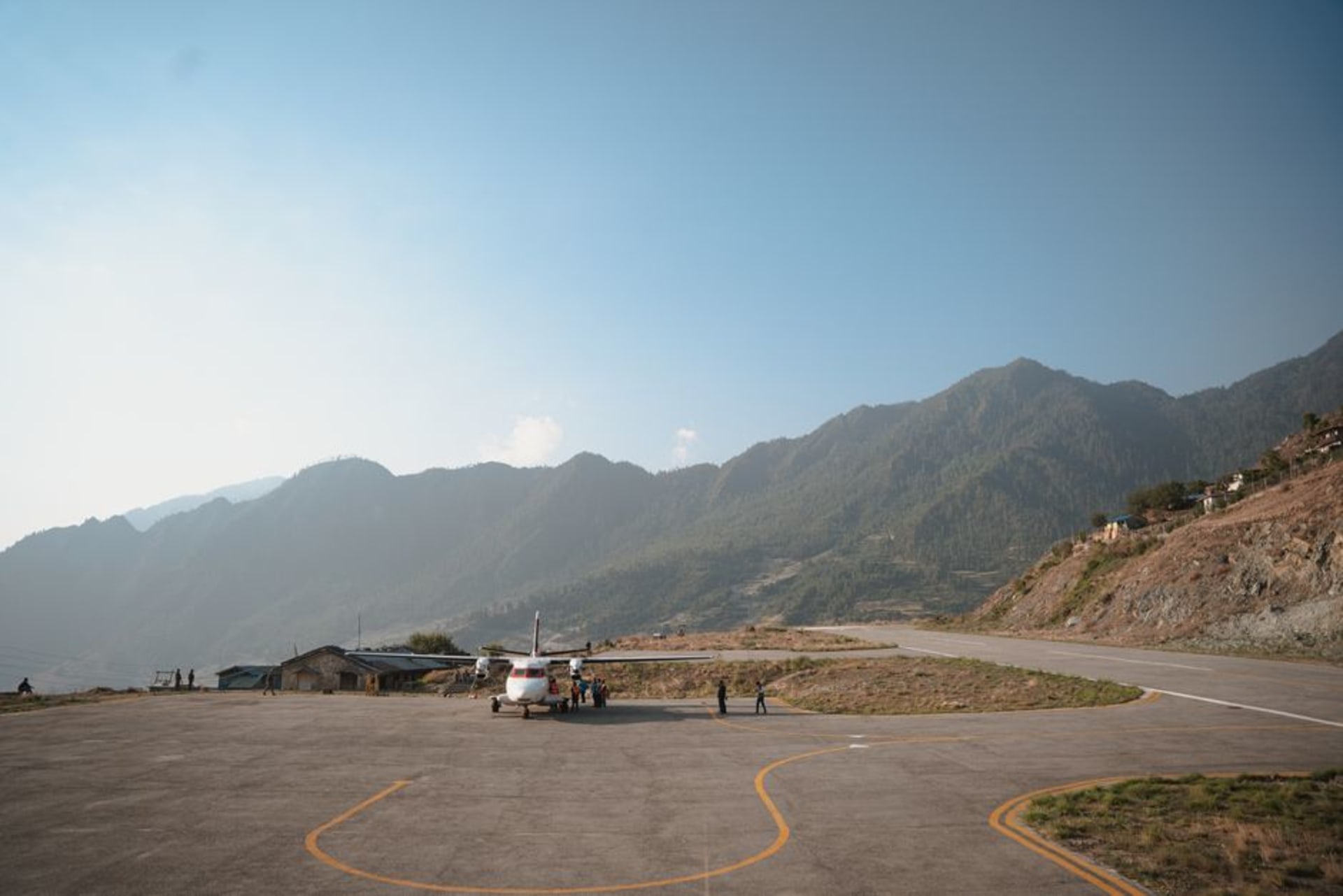
A sleepy ridge-top viewpoint on the old Tribhuvan Highway where, on a clear morning, you can see more Himalayan peaks at once than anywhere else in Nepal.
Almost nobody stops in Daman. The buses between Kathmandu and Pokhara used to grind through it on the old Tribhuvan Highway before the newer road bypassed the town, and now it survives mostly as a rest stop and a rumor — the place with the tower where you can supposedly see Everest, Annapurna, and Dhaulagiri without moving your feet. I went specifically to find out if that rumor was true.
The Tower at Sunrise
It is true, on the right morning. We set an alarm for 5 a.m., bundled up against a cold that felt personal, and climbed the multi-story concrete viewing tower on the edge of town while it was still dark. What happened over the next forty minutes was one of the best sunrises of my life: the sky lightened from ink to indigo to a pale, cold gold, and the entire curve of the Himalaya assembled itself along the horizon, peak after peak catching the first light in sequence, west to east, like someone flipping switches down a very long room. Lia counted eight distinct ranges before giving up counting.
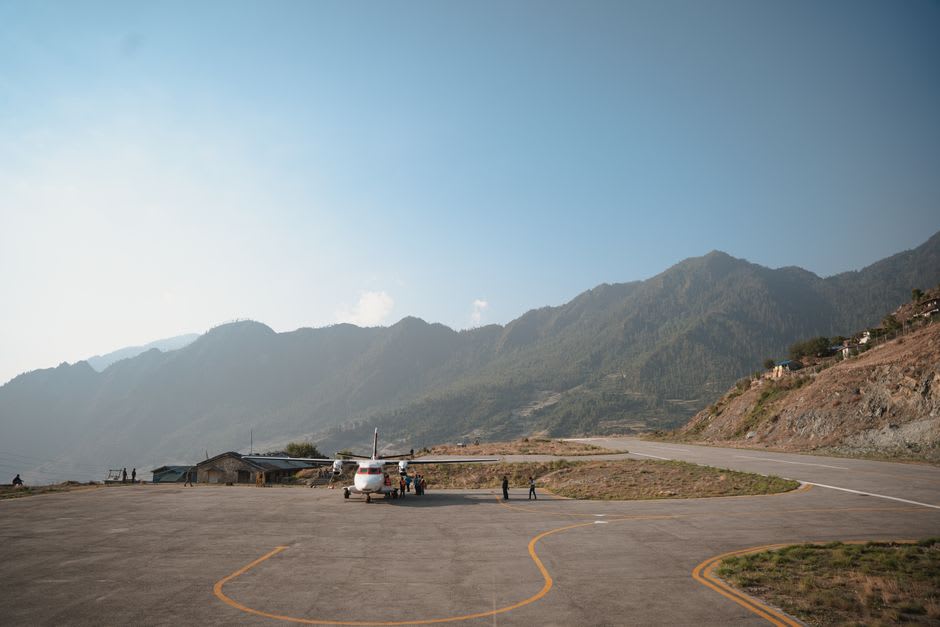
The Botanical Garden Nobody Visits
Below the tower sits a small, half-forgotten botanical garden dedicated to Himalayan flora, its greenhouses a little rusted, its rhododendron collection genuinely impressive in March. We had the whole place to a gardener and two goats. He walked us through without being asked, naming species I forgot within the hour, clearly pleased that anyone had shown up at all.
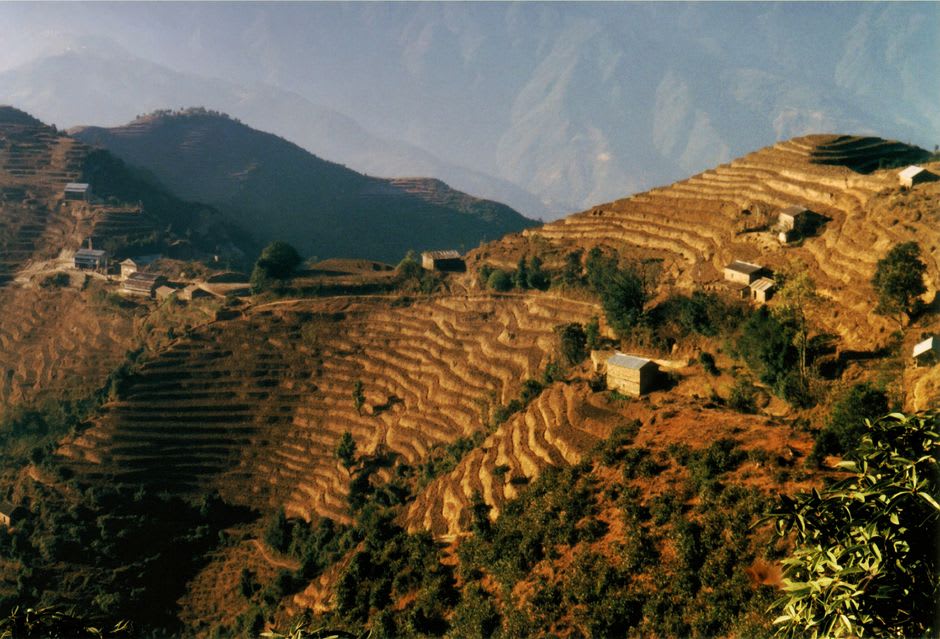
A Town Built Around Waiting
Daman itself is one main street of tea houses and bus-stop stalls selling instant noodles and boiled eggs, and there is a particular pleasure in sitting there with a glass of sweet milk tea, watching trucks labor up the switchbacks, going nowhere in particular. We stayed one night in a basic lodge with a wood stove and blankets that smelled faintly of woodsmoke, and I remember it more fondly than several nights in far nicer places.
When to go: October through February gives the clearest, driest air and the best odds of an unobstructed panorama, though winter mornings are bitterly cold on the tower. Avoid the monsoon months from June to September, when cloud cover erases the entire point of coming.