Chainpur
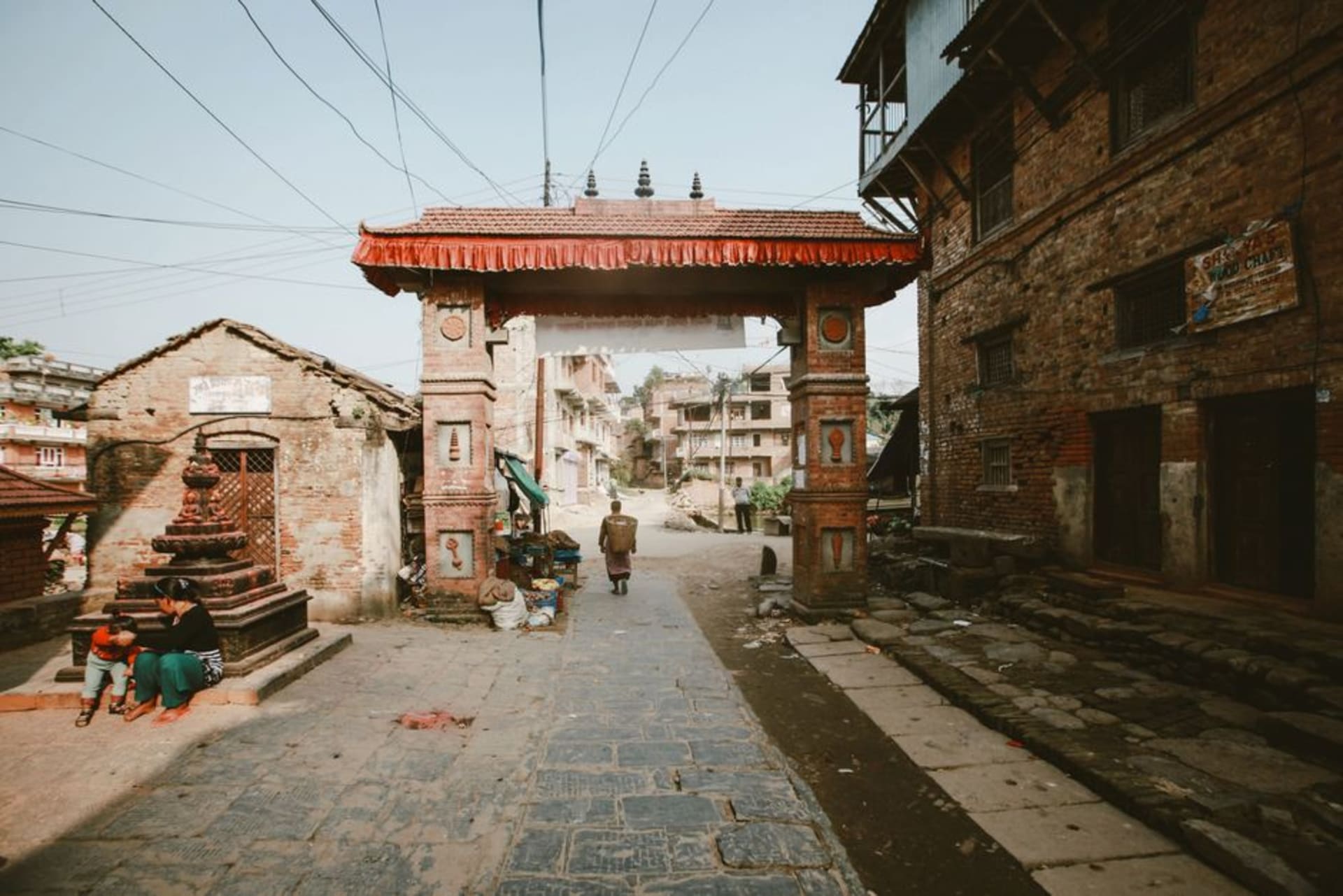
"Chainpur is what a Kathmandu Valley bazaar might look like if four centuries had simply left it alone."
A centuries-old Newari trading bazaar in the eastern hills, famous for hand-beaten brass and copper craft and an architecture nobody restored for tourists.
Getting to Chainpur takes deliberate effort — a jeep from Khandbari along a rough hill road, or a two-day walk if you’re already trekking toward Makalu — and that effort is exactly why the town has kept what most accessible Newari settlements in Nepal have lost. I arrived expecting a stopover and stayed two nights, wandering a brick-paved bazaar street that felt, more than almost anywhere else I went in the country, like walking backward into the eighteenth century.
The Coppersmiths of Sunuwar Tole
Chainpur’s Newari traders settled here centuries ago along trans-Himalayan trade routes and brought with them the metalworking traditions the town is still known for. In the workshops along the main bazaar street, I watched coppersmiths and brass workers — some third or fourth generation in the craft — hand-beating sheets of metal into water vessels, ritual plates, and cooking pots using techniques essentially unchanged from when the trade first arrived here. One craftsman, working a copper gagri into shape with a small hammer and an anvil worn smooth by decades of use, told me his father had made the same vessels for the same families for forty years, and that most of his customers now were from villages a day or two’s walk away who still preferred hand-beaten copper to the aluminum sold in Khandbari.
The Architecture That Survived
What makes Chainpur remarkable isn’t a single monument but the cumulative effect of an entire street — tightly packed Newari houses with carved wooden lattice windows, tiled roofs, and brick facades weathered to a soft reddish-brown, none of it restored or repainted for visitors because visitors, until recently, rarely came. The Bhagwati Temple at one end of the bazaar anchors the town’s religious life, its stone steps worn into shallow bowls by generations of worshippers climbing to make offerings. I sat there one evening as the light went gold on the brick facades opposite and felt, not for the first time in eastern Nepal, that the absence of tourism infrastructure was itself the attraction.
Market Day
I happened to be there on a haat bazaar day, when farmers from surrounding villages bring produce, livestock, and homemade goods into town to sell in the open square near the bus stop. Women sold dried fish, chilies, and mountain greens I couldn’t name spread out on tarps on the ground; a man sharpened knives on a foot-pedal grindstone; someone was selling live chickens out of woven bamboo baskets stacked three high. It was loud, entirely unposed, and the closest I came in eastern Nepal to feeling like I’d wandered into a scene that had nothing to do with me at all — which, of course, was the point.
When to go: October through December for clear skies and comfortable trekking-adjacent weather. Haat bazaar market days occur on a rotating schedule, so ask locally in Khandbari before planning your visit. Avoid the monsoon (June–September), when the hill road from Khandbari becomes unreliable and prone to landslides.