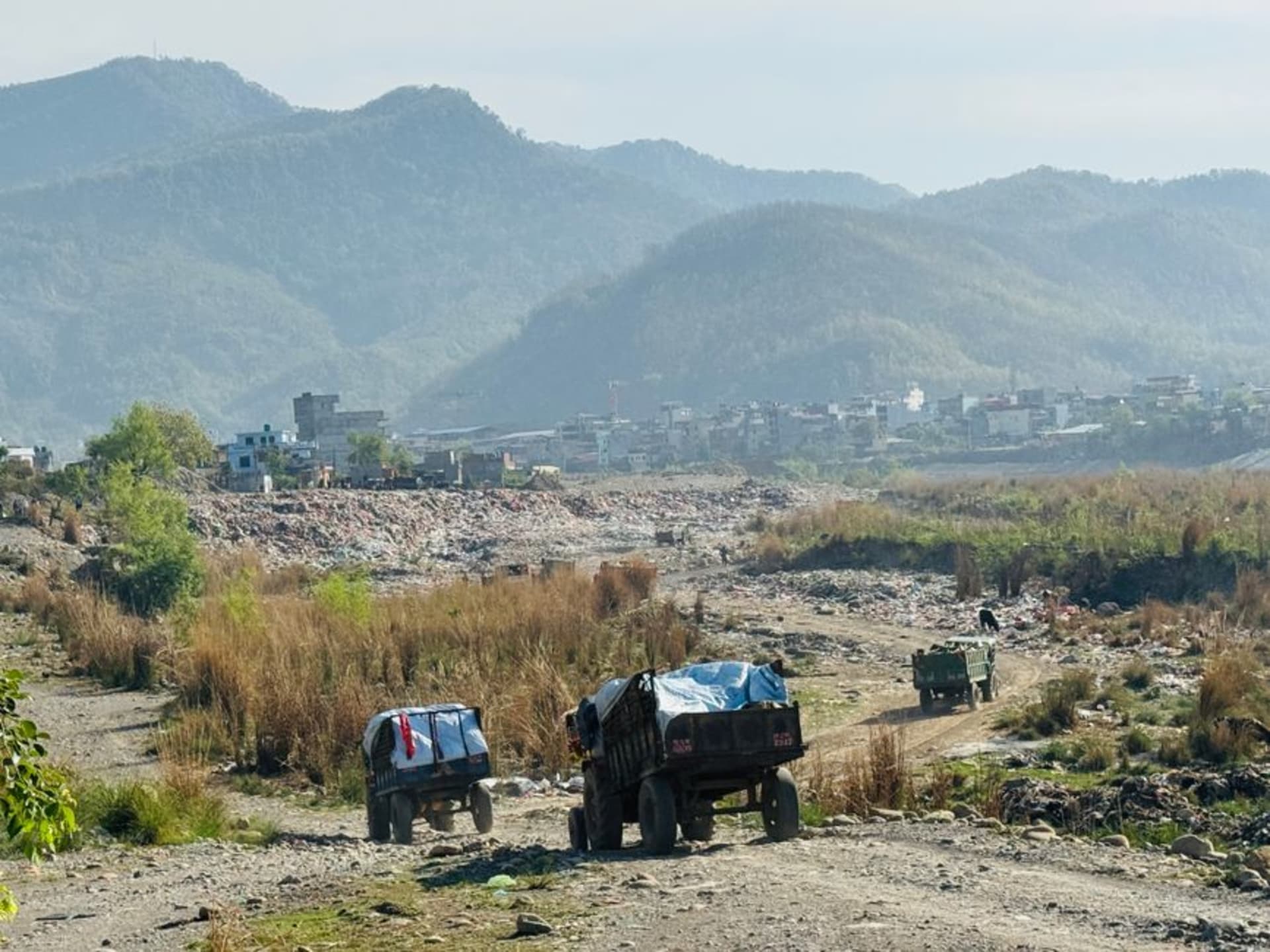
Butwal
"Everyone passes through Butwal. Almost nobody stops. We stopped, and the river gorge alone made it worth it."
A fast-growing crossroads city where the Terai plains meet the first hills, and where the Tinau River carves a surprisingly scenic gorge right through downtown.
Butwal shows up on nearly every itinerary through southern Nepal, usually as a bus-change city between Lumbini, Pokhara, and the Indian border at Sunauli. Lia and I had transited through it twice before finally spending an actual night there, mostly out of curiosity about why it kept appearing on every route map. It turns out Butwal earns its position — it sits at the literal seam between the flat Terai and the first folds of the Mahabharat hills, and that geography gives it a character neither purely plains nor purely hill town.
The Tinau Gorge
The surprise of Butwal is the Tinau River, which carves directly through the city’s edge in a narrow rock gorge before opening out into the plains. A suspension footbridge crosses it near the old bazaar, and standing on it at dusk — water moving fast and green below, swifts cutting between the rock walls, the city’s noise dropping away almost completely — felt entirely disconnected from the traffic-choked highway junction a few hundred meters away.
Old Butwal and the New
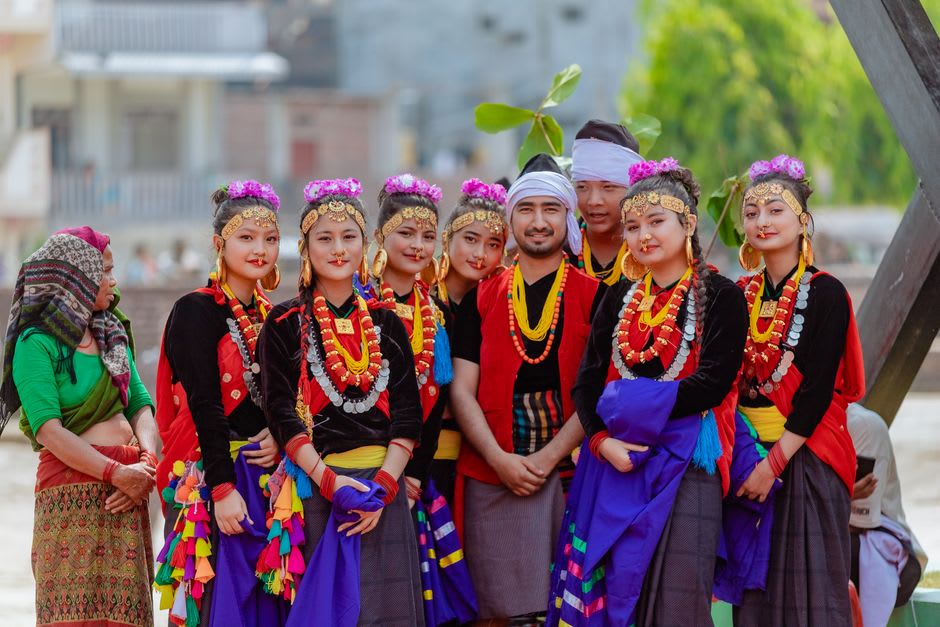
The bazaar area along the old trade route retains a genuine density — spice merchants, cloth shops, a functioning Krishna temple with a small but devoted crowd each evening — while the newer parts of the city, built up rapidly over the past two decades on remittance money and cross-border trade, feel like a different decade entirely: wide roads, shopping complexes, motorbike showrooms. Lia pointed out that you could watch Nepal’s recent economic history play out just by walking from one end of Butwal to the other.
A Base, Not Just a Junction
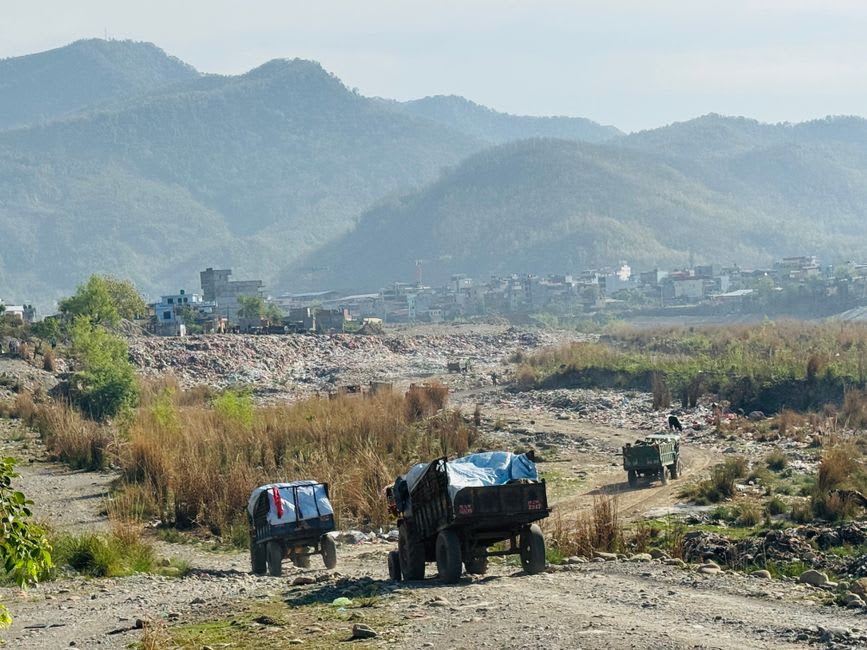
Because it sits at the hill-Terai boundary, Butwal makes a genuinely useful base for day trips — the Palpa hill town of Tansen is under two hours away by winding mountain road, and Lumbini is barely forty minutes south. We used it that way in the end, but the city itself, given one unhurried evening, was worth the stop on its own terms.
When to go: October through March offers the most comfortable temperatures for exploring on foot. April and May turn hot fast as the Terai heat builds, and the monsoon from June through September brings heavy rain that can complicate the gorge crossing and hill roads alike.