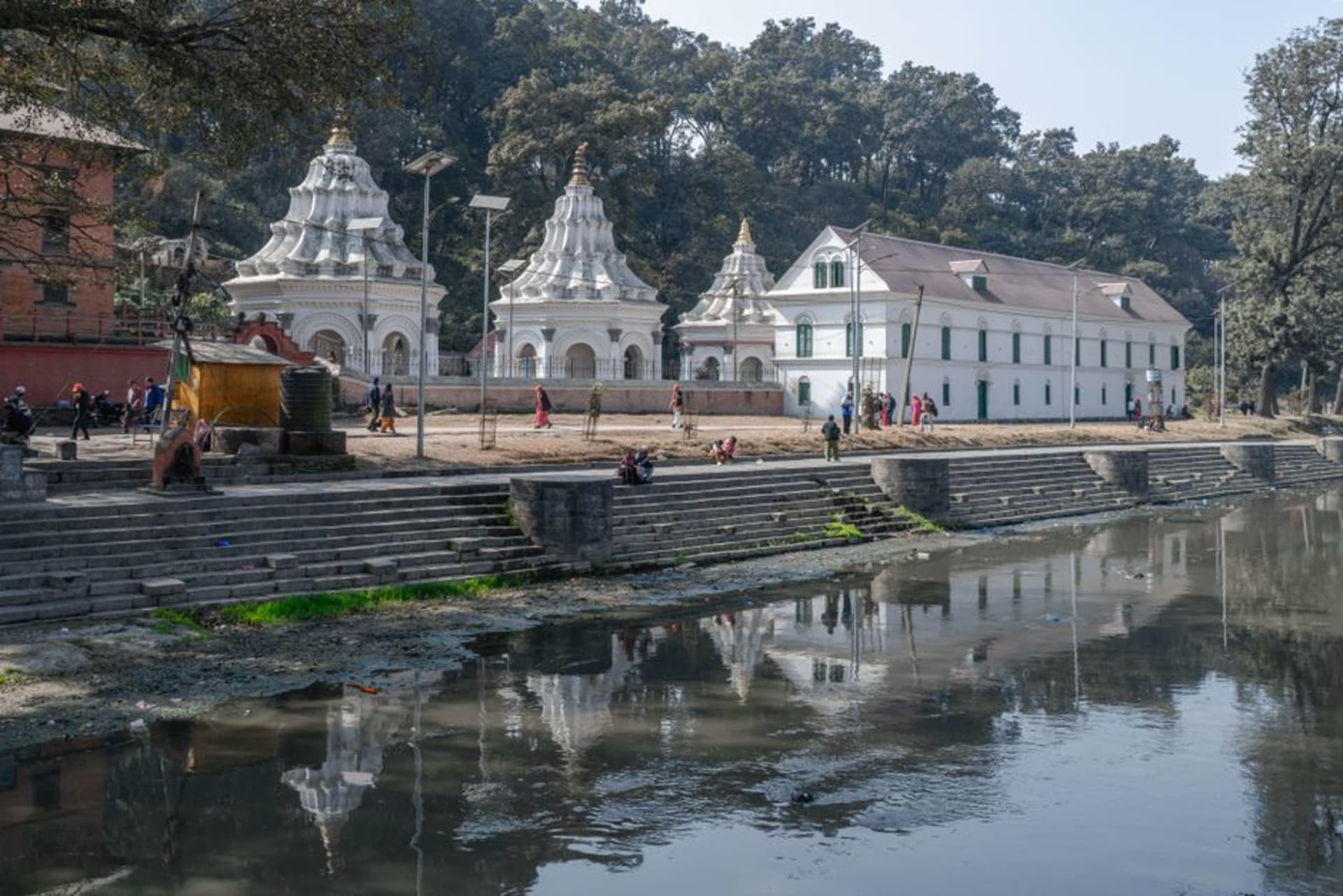
Bindhyabasini Temple
"Everyone comes to Pokhara for the lake. Almost no one comes to the old bazaar, which is where the city actually lives."
Pokhara's oldest temple, a working Hindu shrine in the old bazaar where the city's actual daily life unfolds.
Nearly every conversation I had with other travelers in Lakeside revolved around lake views, trekking permits, and which rooftop bar had the best sunset over Machapuchare. Almost nobody mentioned the old bazaar on the western side of town, a fifteen-minute taxi ride from the tourist strip, where Pokhara’s oldest temple sits at the top of a low hill surrounded by a market that has clearly been operating the same way for a very long time.
A Temple That Predates the Lake’s Fame
Bindhyabasini Temple, dedicated to a form of the goddess Durga, is built in the classic pagoda style with a white dome and a shikhara spire, and it’s old enough — older than any written record of the temple can precisely date, though locals place its founding several centuries back — that its exact origins have blurred into legend. What struck me wasn’t the architecture so much as the use. This isn’t a monument being visited. It’s a temple being used, continuously, by people making their morning offerings before work.
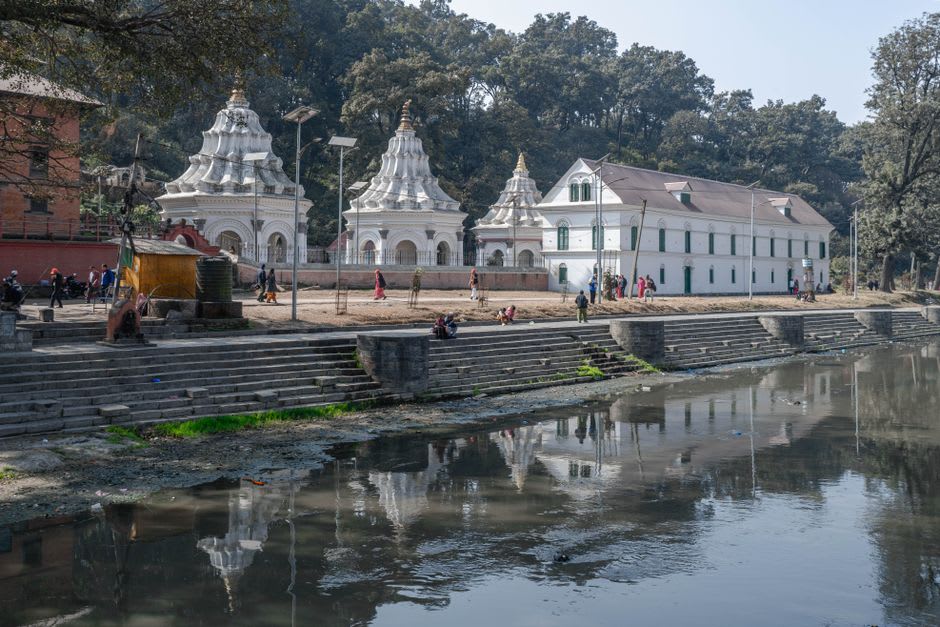
Sacrifice, Marigolds, and Pigeons
We arrived not long after dawn, when the courtyard was busiest — a priest performing a small goat sacrifice near the base of the temple, which unsettled Lia more than it did me, and dozens of women in red saris carrying brass plates of marigold petals, rice, and vermillion powder up the stone steps. Pigeons scattered in great restless clouds every few minutes, startled by the temple bells, then resettled almost immediately, entirely used to the noise. A row of vendors along the approach sold nothing but offering supplies — garlands, incense, small clay lamps — which told me everything about how the temple functions day to day.
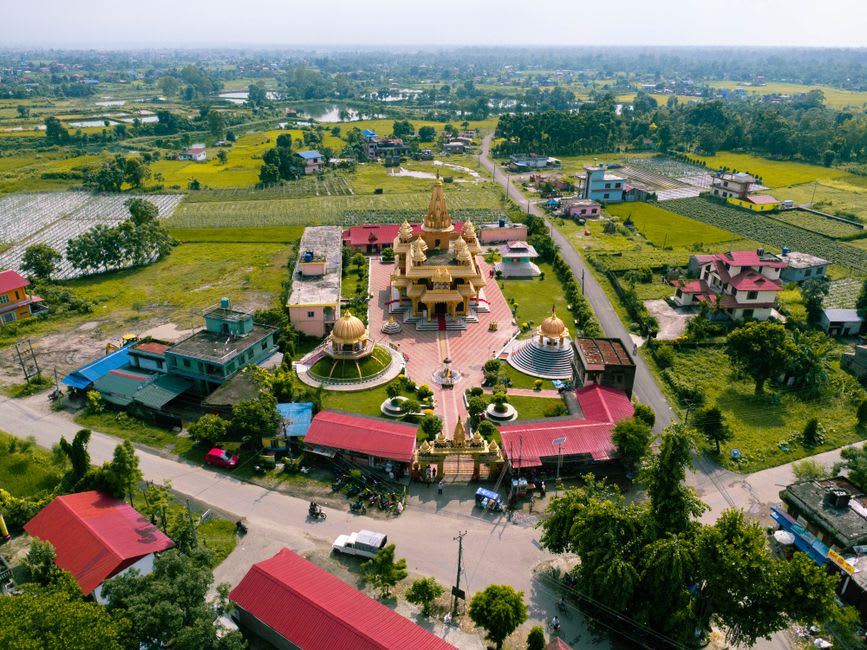
Below the temple, the old bazaar itself sprawls out in narrow lanes selling copper pots, spices, and school supplies, indistinguishable in feel from any provincial Nepali market town and refreshingly unconcerned with tourists. We bought tea from a stall that had clearly never adjusted its prices for foreigners, and drank it standing among people running actual errands.
When to go: Early morning, any time of year, when the temple is at its most active with local devotees. Saturdays draw the largest crowds, since it’s the weekly holiday in Nepal and the temple becomes a full community gathering point.