Wadi Feynan
"People have been pulling copper out of this ground for six thousand years, and at night it still looks like nobody has ever been here."
A valley of ancient copper mines and candlelit nights at the bottom of the Dana reserve, where the desert goes properly dark for the first time in your trip.
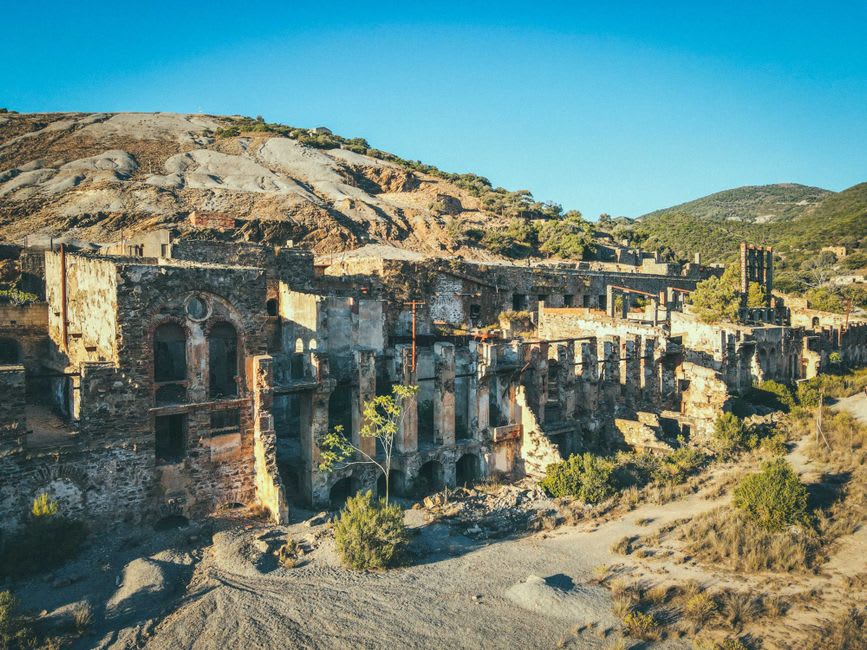
I walked into Wadi Feynan at the bottom of a six-hour descent from Dana village, legs finished, water bottle nearly empty, and the first thing that struck me — before the ecolodge, before dinner, before anything — was the color of the ground. It is genuinely rust-red in patches, streaked green in others, and it is not a trick of the light. This valley has been mined for copper since the Chalcolithic period, six thousand years ago, making it one of the oldest continuously exploited mining landscapes on earth. The Nabataeans worked it, the Romans worked it harder, sending convict laborers here as a punishment roughly equivalent to a death sentence given the heat, and Byzantine Christians built a church and a whole town, Khirbet Feynan, whose slag heaps and furnace remains still cover the hillsides in black-green mounds you can walk right through.
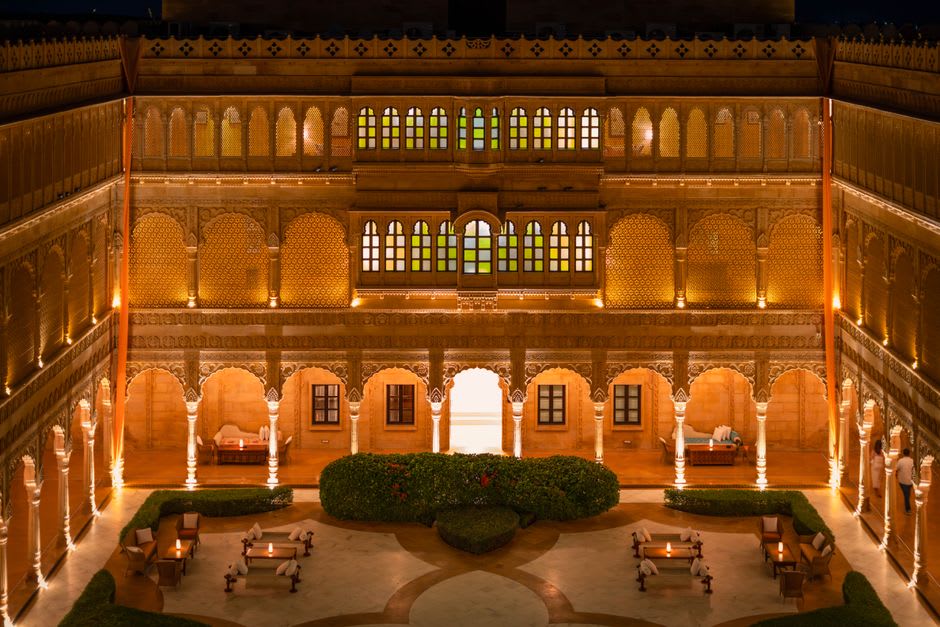
The Feynan Ecolodge sits at the edge of all this, and it runs entirely without grid electricity — candles line the corridors, olive-oil lamps light the courtyard, and the effect at night is less rustic theming and more genuine, slightly eerie beauty. I ate dinner on the rooftop by candlelight with three other travelers I’d never met, all of us reduced to talking quietly because loud conversation felt wrong in that much darkness and silence, and afterward the staff walked us up onto the roof for a short astronomy talk that needed no telescope, just a finger pointed at Scorpius and a description of what Bedouin herders have traditionally used each constellation for.
The next morning a Bedouin guide from the local Ammarin tribe took me out to the slag heaps and furnace remains of ancient Feynan on foot, kicking over chunks of copper slag that still show the green-black sheen of the smelting process, and pointing out the low stone foundations of the Byzantine town where several thousand people once lived in a place that now supports almost nobody. He told me his grandfather still remembered when Bedouin families camped seasonally among these ruins, using the ancient walls as windbreaks without a second thought about the history under their feet. That kind of unbothered continuity, history as furniture rather than monument, is something I have found nowhere as strongly as in this particular stretch of Jordan.
When to go: October to April. The lodge and the walking trails are best done as an extension of a Dana Biosphere Reserve trek, arriving on foot if you can manage the descent — arriving by the rougher access road works too, but you lose the sense of having earned the darkness.
Keep exploring
More from Nabataean Desert
 nabataean-desert
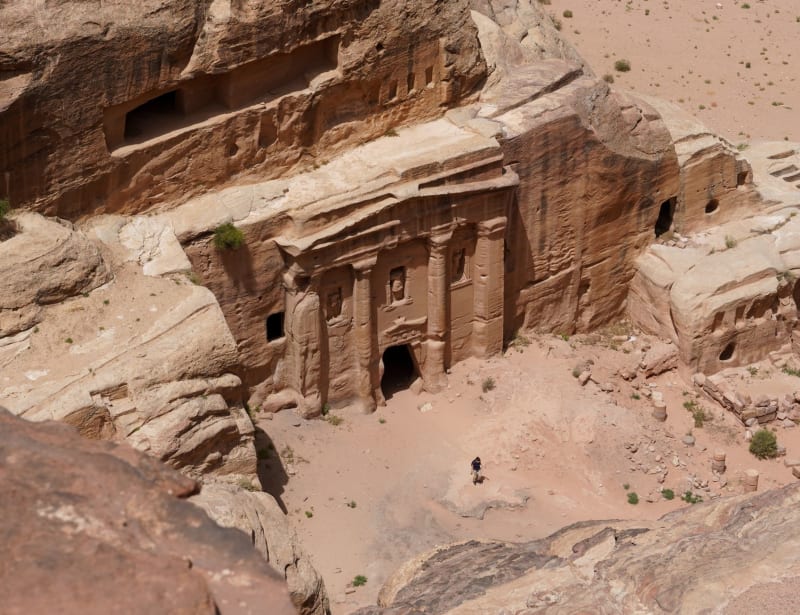
 Wadi Musa
The Jordanian town at Petra's gate where the welcome is warmer, the food is better, and the real southern Jordan begins.
Explore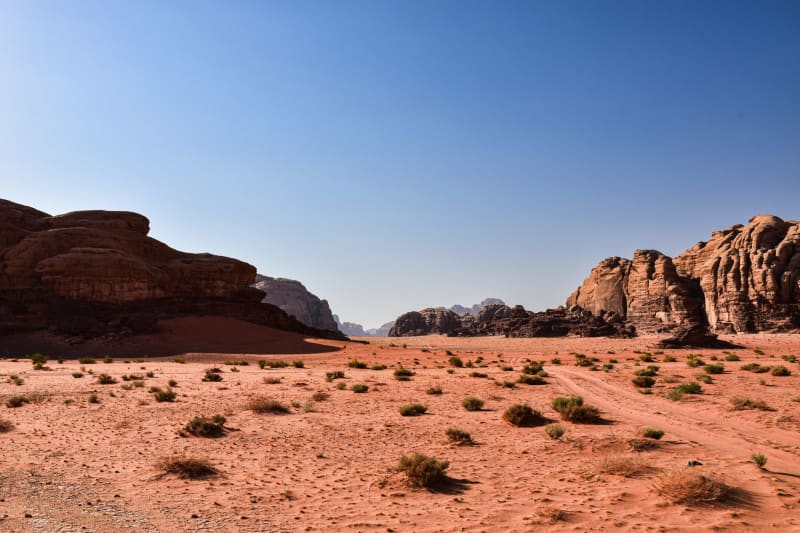 nabataean-desert
 Wadi Rum
A red-sand desert of biblical scale where silence has weight and the rock formations make you doubt your sense of distance.
Explore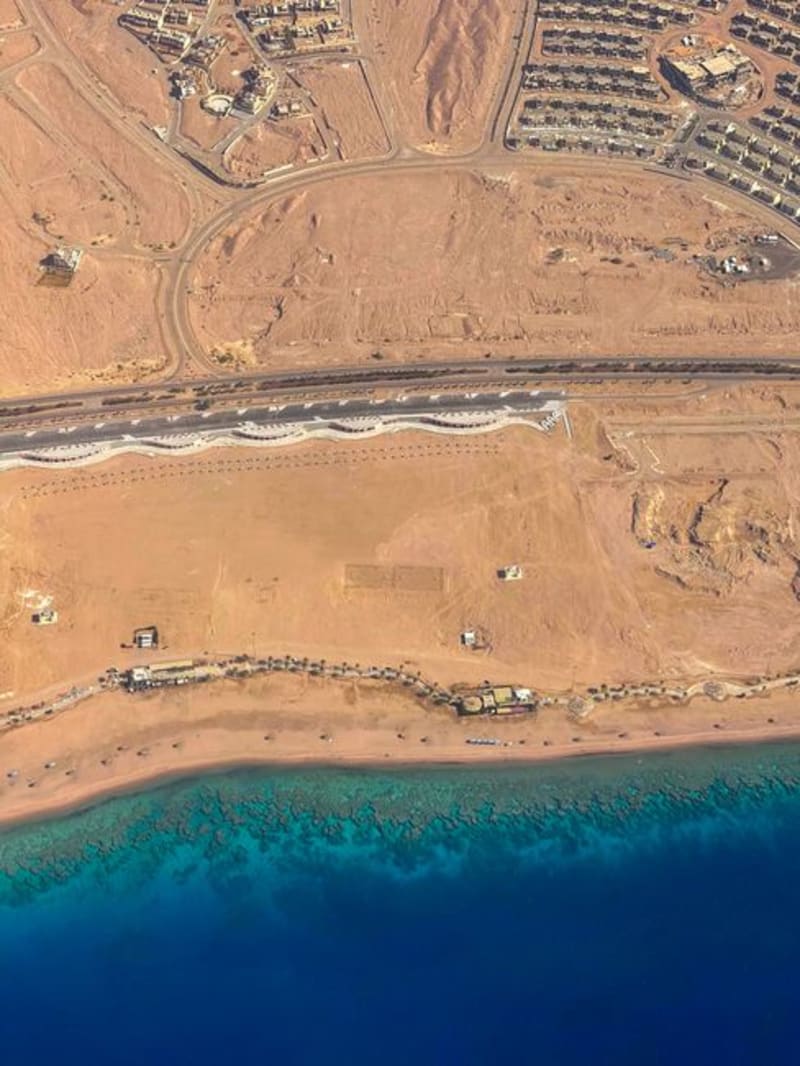 nabataean-desert
 Aqaba
Jordan's one window onto the sea, a Red Sea port town where Nabataean traders once unloaded incense and where I unloaded three days of desert dust into the reef instead.
Explore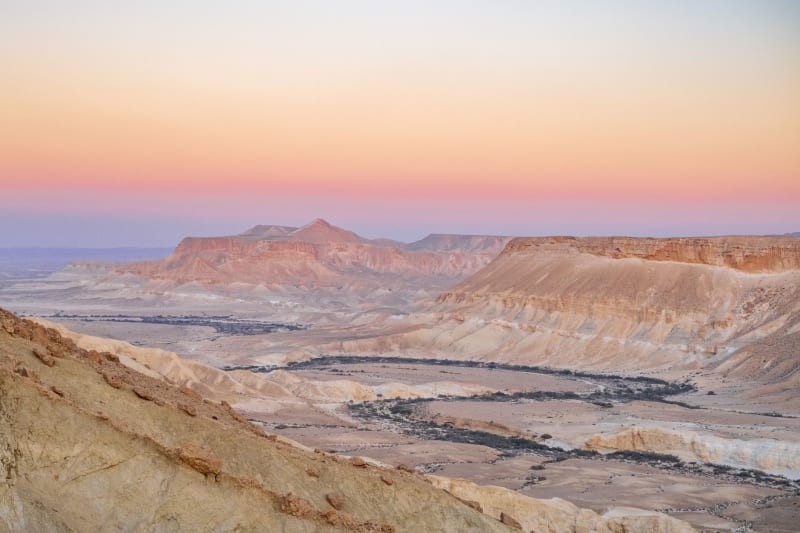 nabataean-desert
 Avdat — Negev Desert
A Nabataean city on a Negev hilltop that reveals how far this desert empire stretched its water-engineering genius.
Explore nabataean-desert
 Beidha Neolithic Village
A 9,000-year-old village of round stone houses tucked beside Little Petra, older than writing, older than pottery, older than nearly everything else this region is famous for.
Explore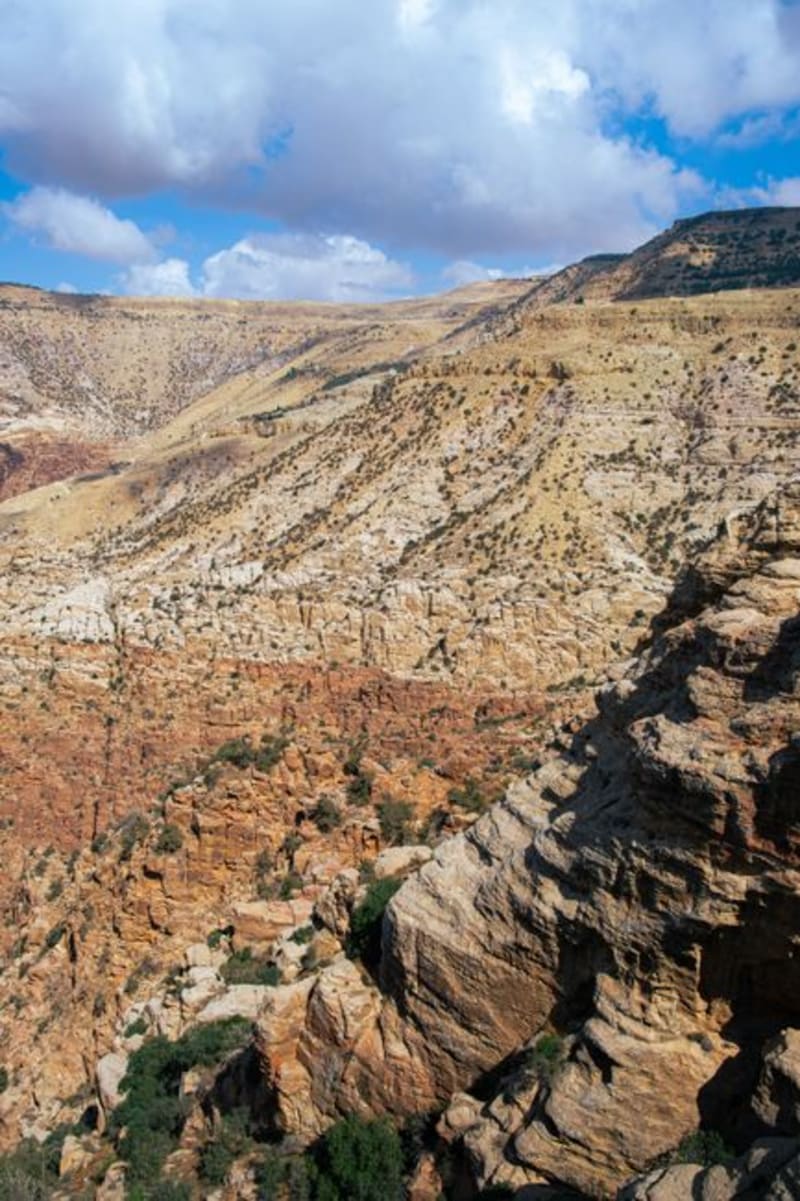 nabataean-desert
 Dana Biosphere Reserve
Jordan's largest nature reserve, a canyon of stone houses and sandstone cliffs where four ecosystems collide and the silence is almost total.
Explore