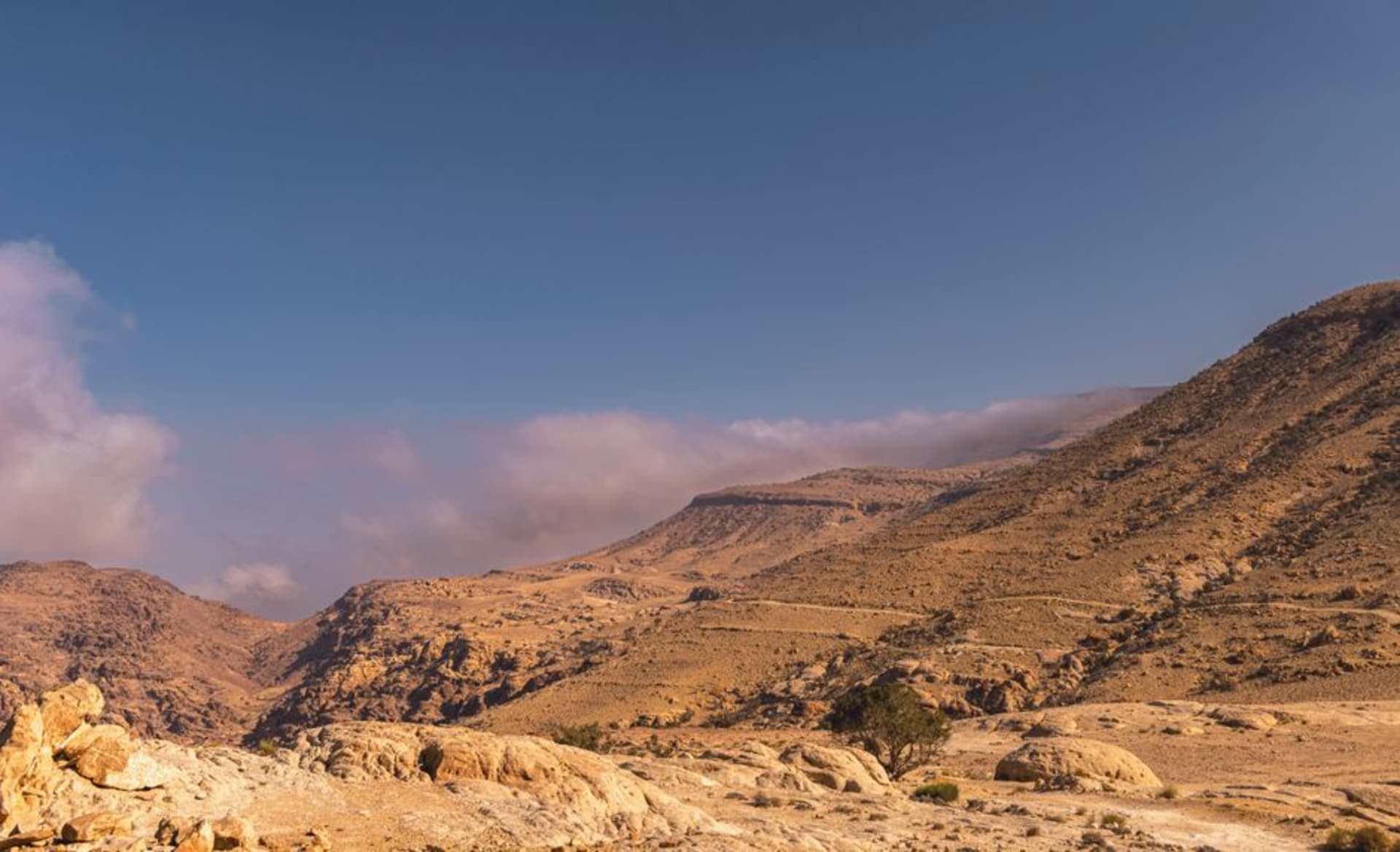
Shobak Castle
"Krak de Montreal, they called it — a castle so isolated that even its garrison eventually gave up and went home."
A Crusader fortress on a lonely hilltop above the King's Highway, forgotten by most tour buses and all the better for it.
I nearly didn’t stop at Shobak. It was a detour off the King’s Highway on the drive between Amman and Petra, the kind of brown road sign you pass a hundred of in southern Jordan, and I had already budgeted my day around getting to Wadi Musa before dark. But a Jordanian friend in Amman had told me, with real insistence, “go to Shobak, it’s Kerak without the crowd,” and that sentence turned out to be exactly true. I parked in an empty lot at the base of a hill, walked up a rough path with nobody else in sight, and had the entire ruined castle to myself for close to an hour on a weekday afternoon.
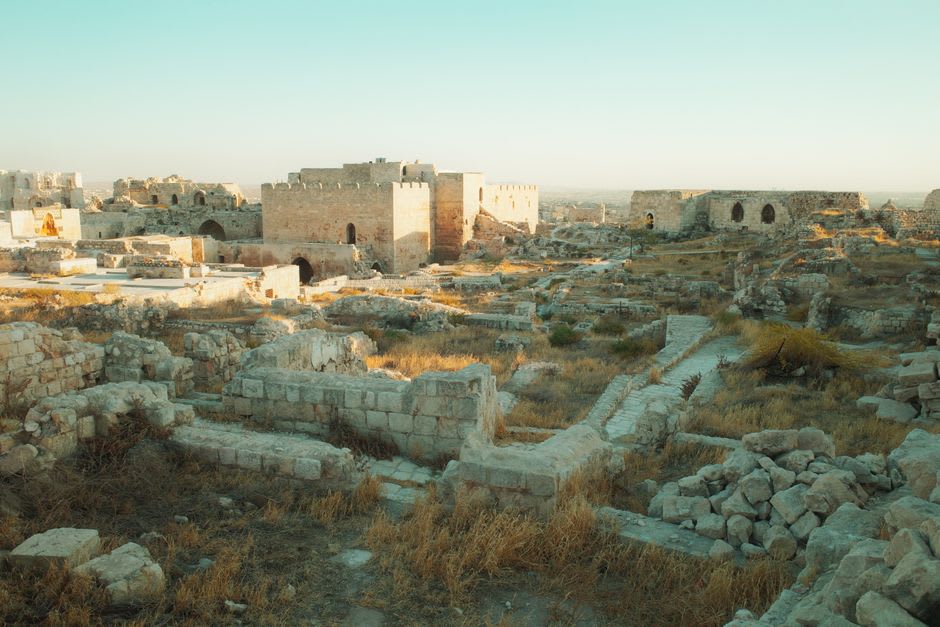
Baldwin I of Jerusalem built it in 1115 and called it Krak de Montreal, the first Crusader stronghold in the region, meant to control the trade route running from Damascus to Egypt and to keep an eye on Muslim pilgrims heading to Mecca. It changed hands after Saladin’s forces starved out the garrison in 1189 following a siege that lasted, depending on which chronicle you believe, somewhere between eighteen months and two years — the defenders reportedly resorted to eating their horses and then, when that ran out, negotiating surrender in exchange for safe passage. Walking the crumbling walls now, past collapsed towers and Arabic inscriptions carved into stone lintels from its later Ayyubid and Mamluk life as a garrison and administrative post, I kept trying to imagine defending this exposed hilltop through a winter siege with no relief coming. It seemed like a special, specific kind of misery.
The best part, and the reason I ended up staying two hours instead of one, is a spiral staircase cut down through the rock beneath the castle to a hidden spring — 375 steps according to the sign at the top, cut so the garrison could reach water without leaving the walls under siege. A local guide who appeared from nowhere, the way they always do at sites like this, offered to take me down with a flashlight for a few dinars, and we descended into cold, damp dark that smelled like wet limestone, our voices bouncing strangely off walls carved by hand nine hundred years ago for exactly this purpose. Coming back up into the blinding afternoon light, squinting, legs burning, I understood the castle in a way the ruined walls above ground alone hadn’t given me.
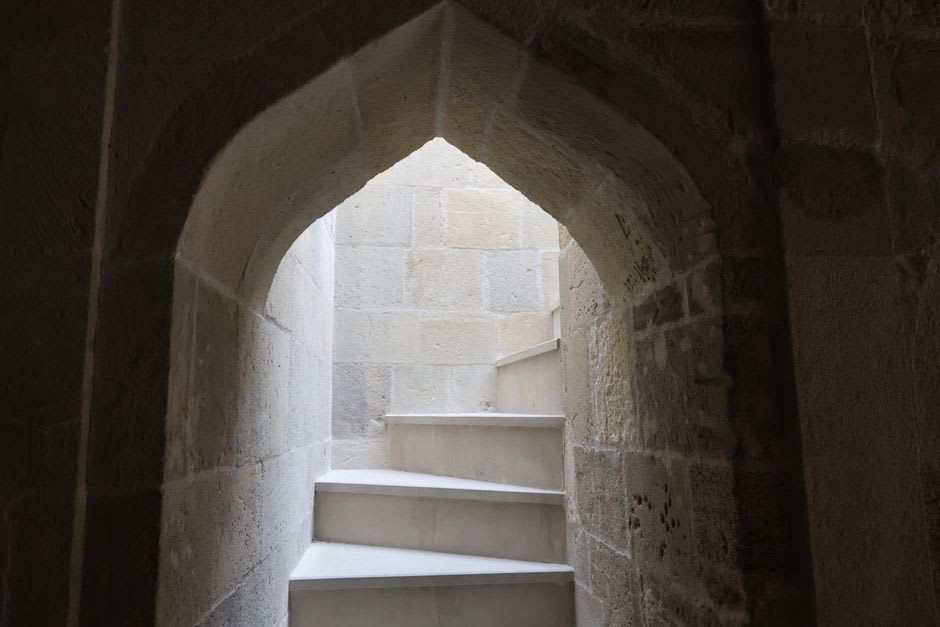
When to go: Any time the King’s Highway is open is fine, but go in the morning if you want the staircase to yourself before any tour groups that do stop arrive. Bring your own light for the water tunnel just in case no guide is around — a phone flashlight works, but a proper torch is better on the uneven steps.
Keep exploring
More from Nabataean Desert
 nabataean-desert
 Wadi Araba
The vast rift-valley corridor between the Dead Sea and the Red Sea that the Nabataeans used as their highway, and that today swallows you in silence and heat in equal measure.
Explore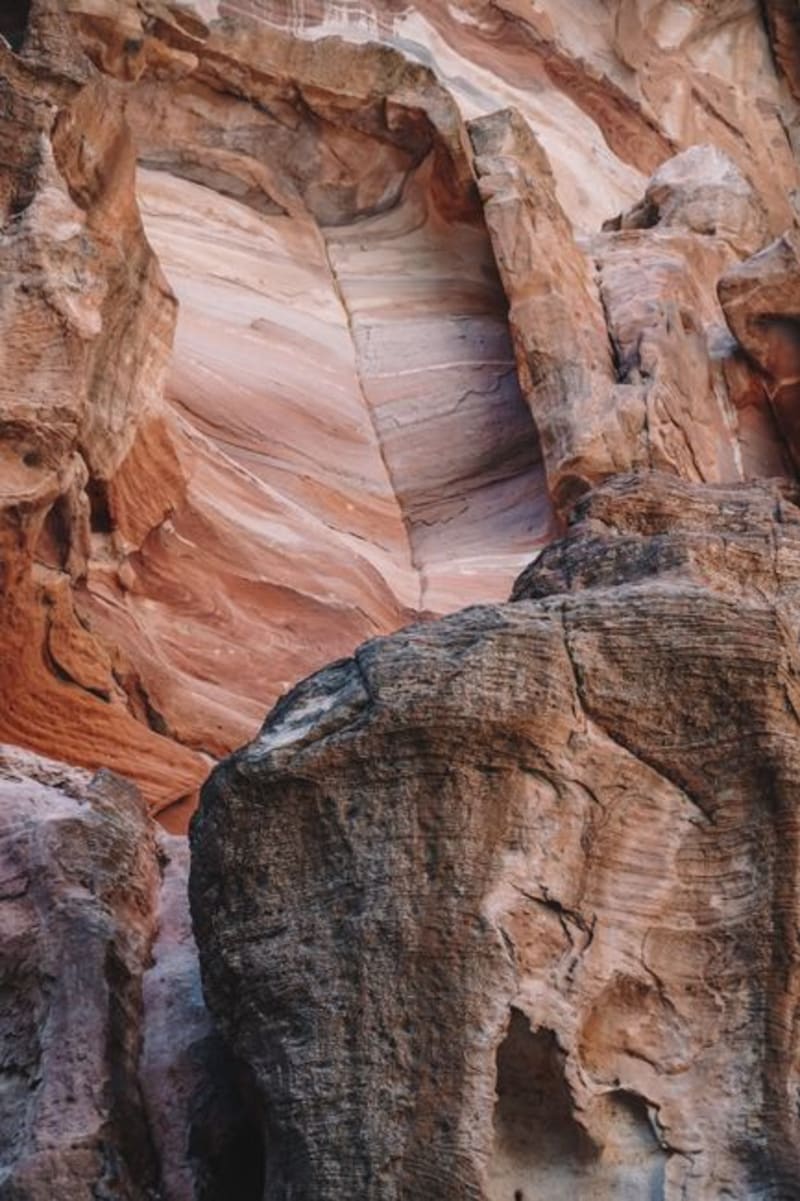 nabataean-desert
 Wadi Feynan
A valley of ancient copper mines and candlelit nights at the bottom of the Dana reserve, where the desert goes properly dark for the first time in your trip.
Explore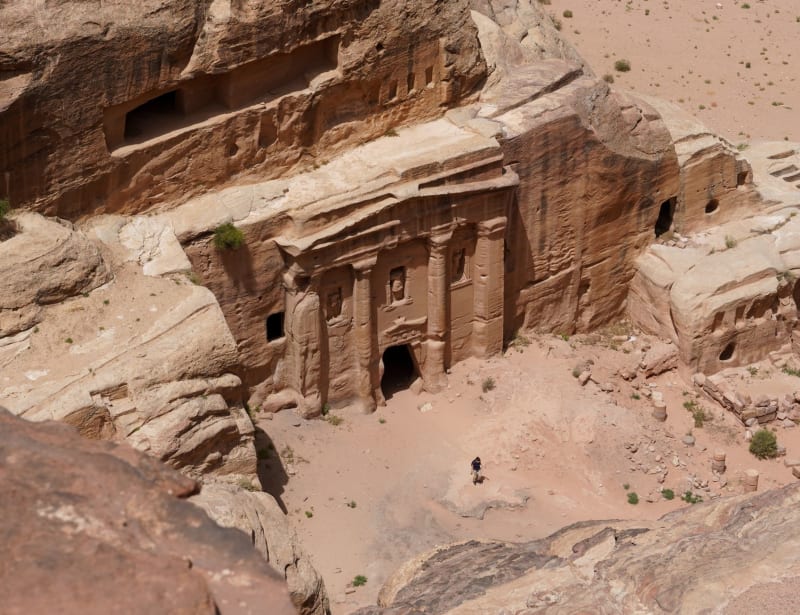 nabataean-desert
 Wadi Musa
The Jordanian town at Petra's gate where the welcome is warmer, the food is better, and the real southern Jordan begins.
Explore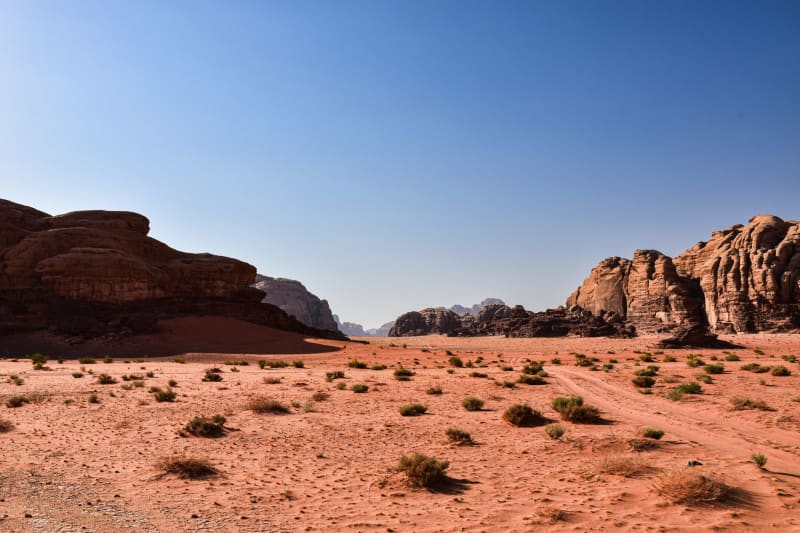 nabataean-desert
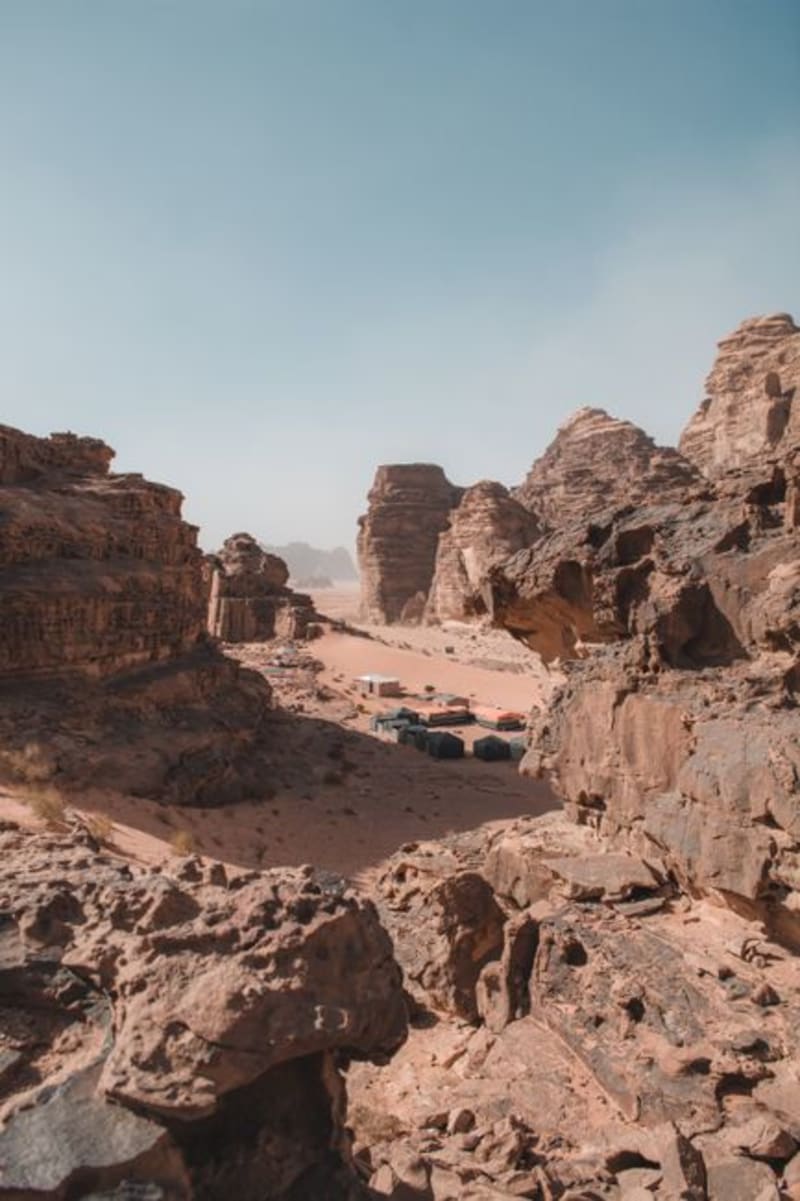
 Wadi Rum
A red-sand desert of biblical scale where silence has weight and the rock formations make you doubt your sense of distance.
Explore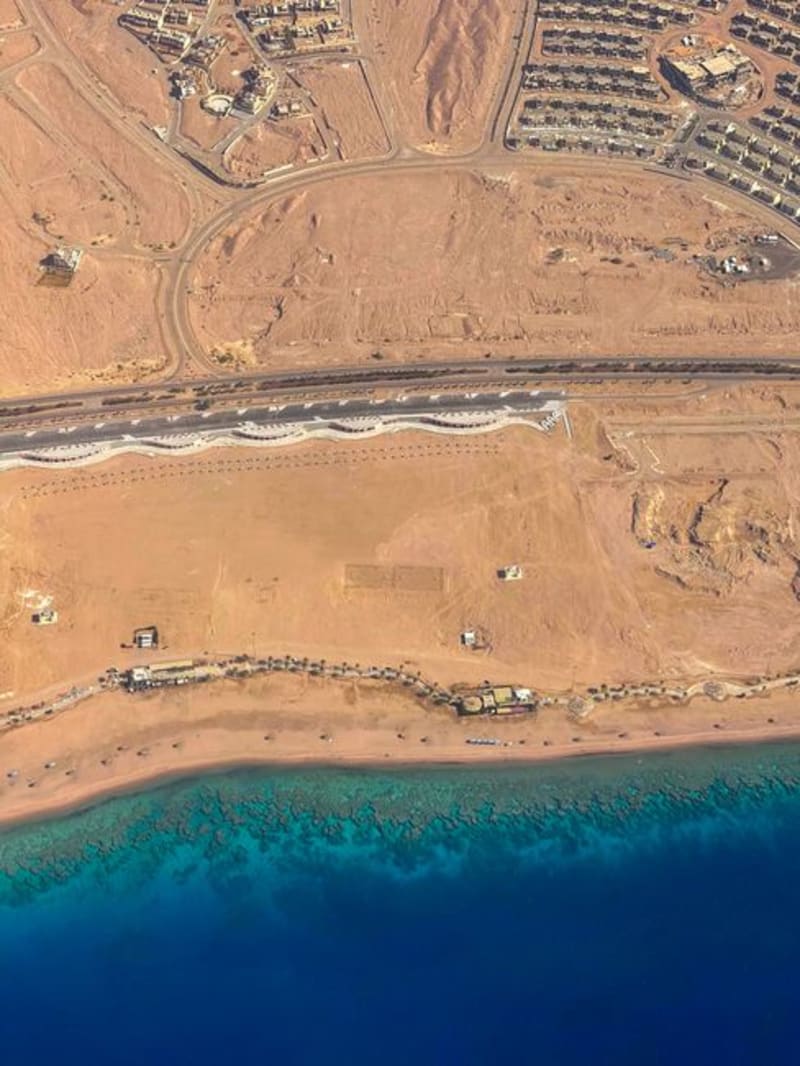 nabataean-desert
 Aqaba
Jordan's one window onto the sea, a Red Sea port town where Nabataean traders once unloaded incense and where I unloaded three days of desert dust into the reef instead.
Explore nabataean-desert
 Avdat — Negev Desert
A Nabataean city on a Negev hilltop that reveals how far this desert empire stretched its water-engineering genius.
Explore