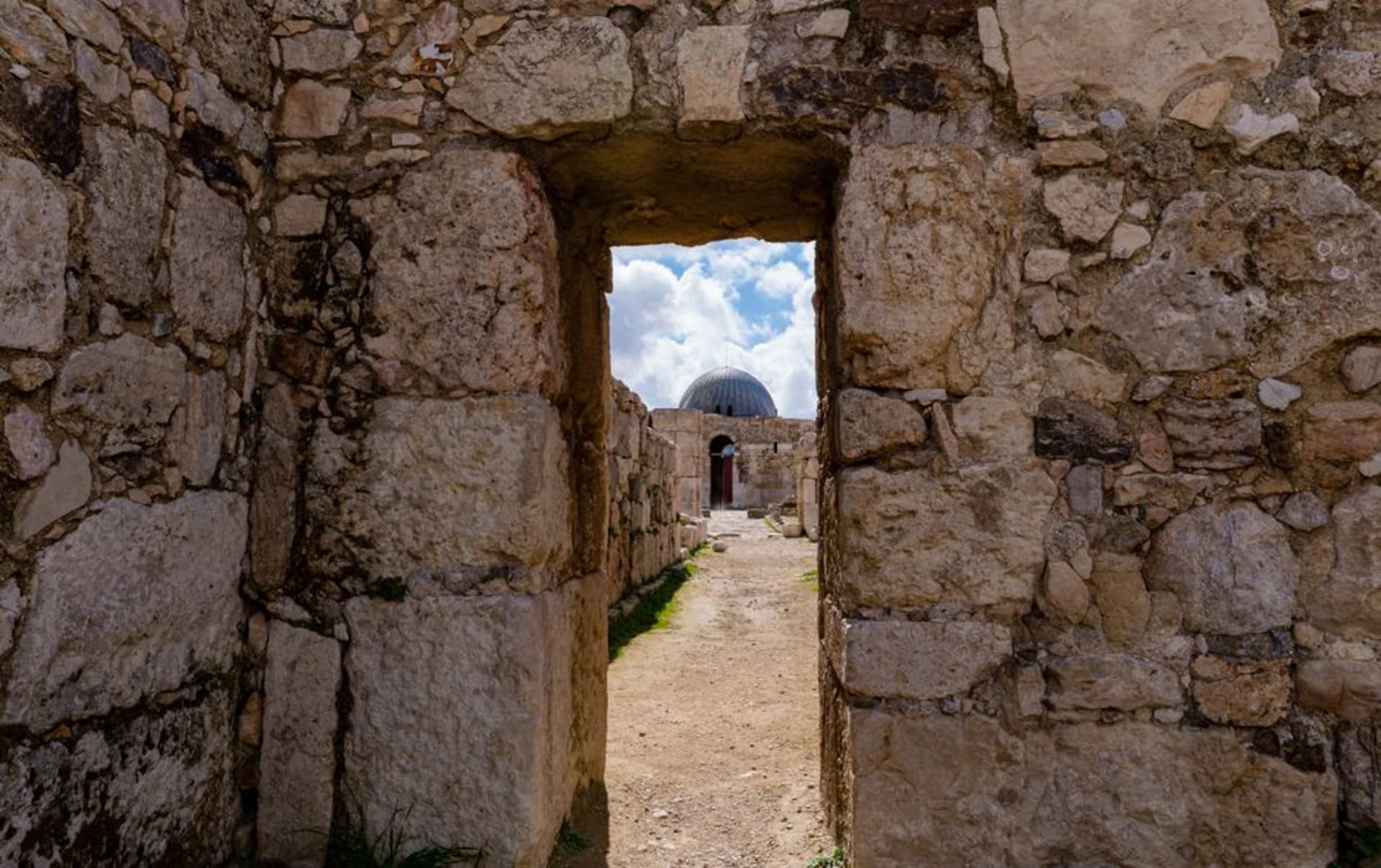
Sela
"Before there was Petra, there was this — a fortress carved into rock by people who understood exactly what stone could do for them."
A rock fortress near Tafileh that predates Petra's fame by centuries, reached by a stair carved straight into the cliff face and visited, most days, by nobody at all.
A guesthouse owner in Tafileh drew me a map on a napkin, badly, and told me that if I liked Petra I would like this better precisely because nobody else would be there. He was right on both counts. Sela is a natural sandstone plateau rising abruptly out of the surrounding hills near Tafileh in west-central Jordan, its sides near-vertical on every approach except one, where a narrow staircase has been cut directly into the rock — the only way up, and a serious enough scramble that I stopped twice to remind myself not to look down at the wrong moment.
The site’s history reaches back further than Petra’s Nabataean fame. It was almost certainly an Edomite stronghold before the Nabataeans ever arrived, and it carries one of the region’s most remarkable historical footnotes: a rock-carved relief and inscription, high on the cliff face, commemorating the Babylonian king Nabonidus, who marched his army through this part of Arabia in the sixth century BCE and left his mark here in stone, an act of imperial graffiti that has survived two and a half thousand years of wind and rare rain far better than most things humans build on purpose. I found the relief with the help of a local shepherd who happened to be moving his goats across the plateau and pointed it out without me even asking, clearly used to being the unofficial guide for the handful of people who make it up here.
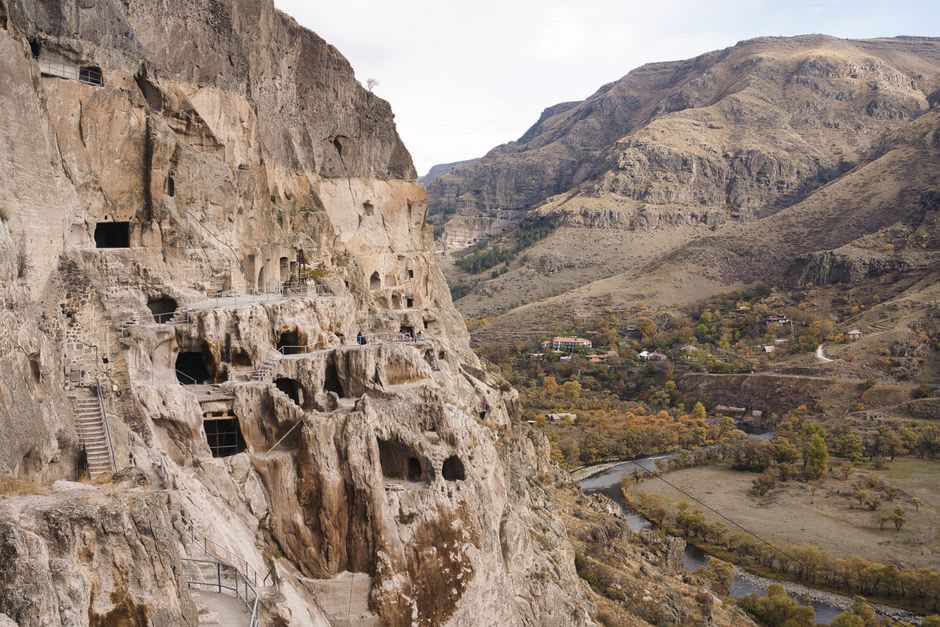
At the top, the plateau opens into a surprisingly large flat expanse scattered with foundation walls, cisterns cut into the rock to catch rainwater, and views in every direction across the folded hills of the Jordanian highlands toward the Dead Sea depression to the west. There is no signage, no visitor center, nothing between you and the site except whatever you brought with you. I sat at the edge with the shepherd for a while, sharing bread and olives he produced from a bag slung over his shoulder, neither of us saying much, both of us looking out at a landscape that has apparently looked exactly like this for a very long time.
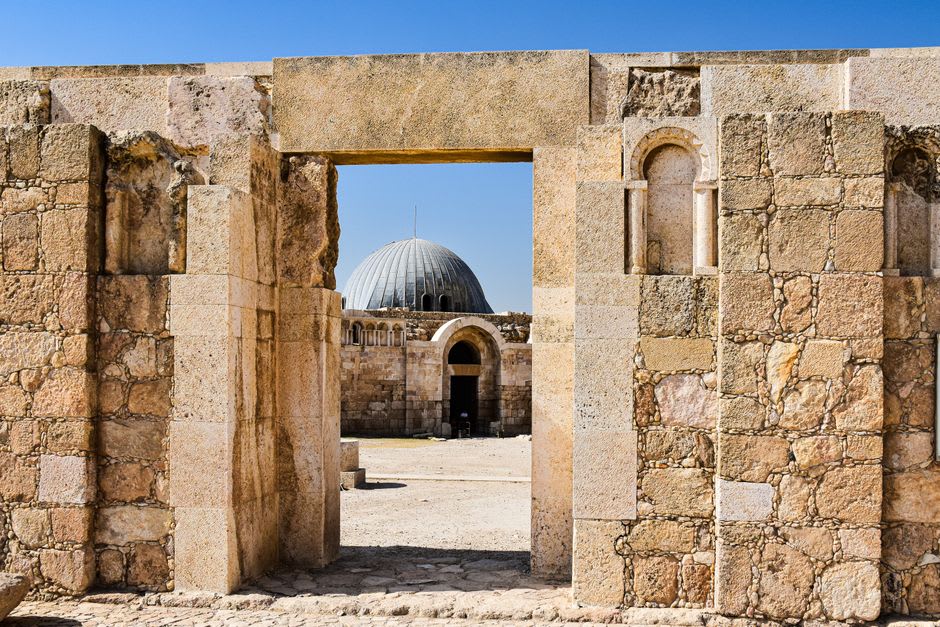
When to go: Cooler months are strongly preferable given the exposed climb; there is no shade on the staircase or the plateau. Go with a local guide from Tafileh if you can arrange one — not for safety exactly, but because they know exactly where the Nabonidus relief is, and finding it alone can eat an entire afternoon.
Keep exploring
More from Nabataean Desert
 nabataean-desert
 Shobak Castle
A Crusader fortress on a lonely hilltop above the King's Highway, forgotten by most tour buses and all the better for it.
Explore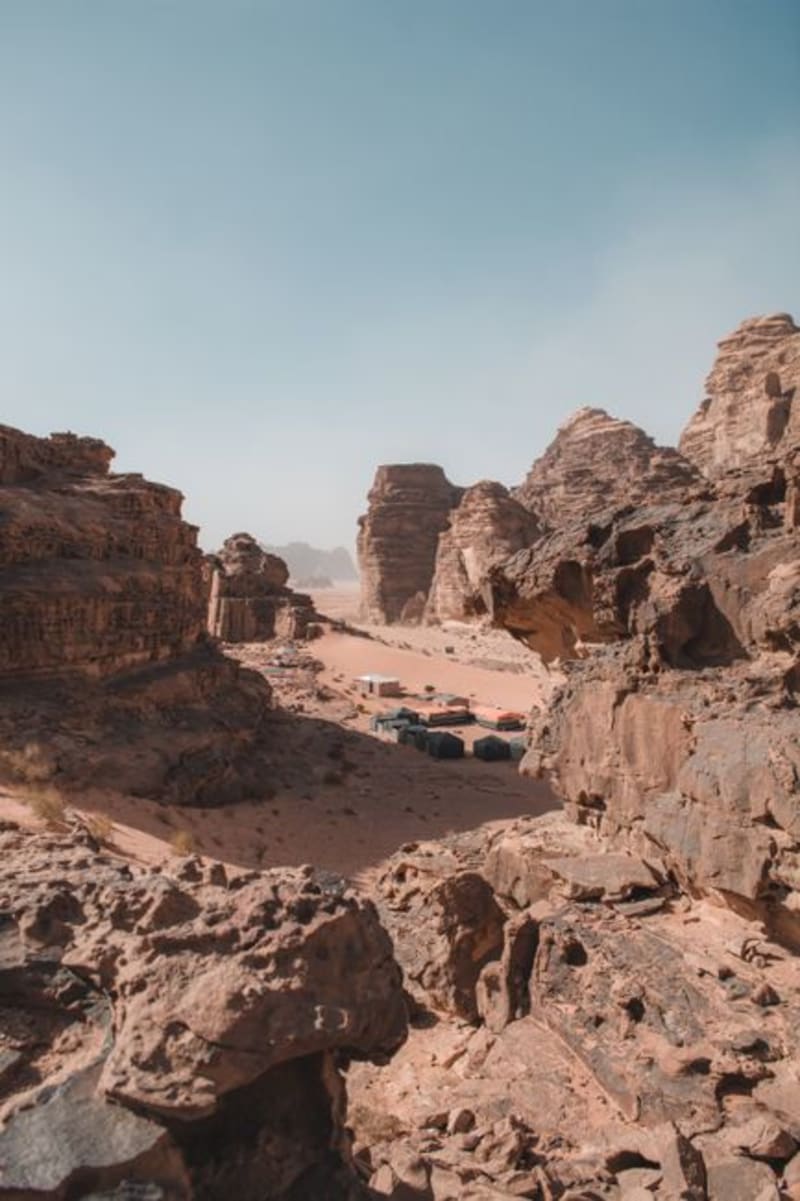 nabataean-desert
 Wadi Araba
The vast rift-valley corridor between the Dead Sea and the Red Sea that the Nabataeans used as their highway, and that today swallows you in silence and heat in equal measure.
Explore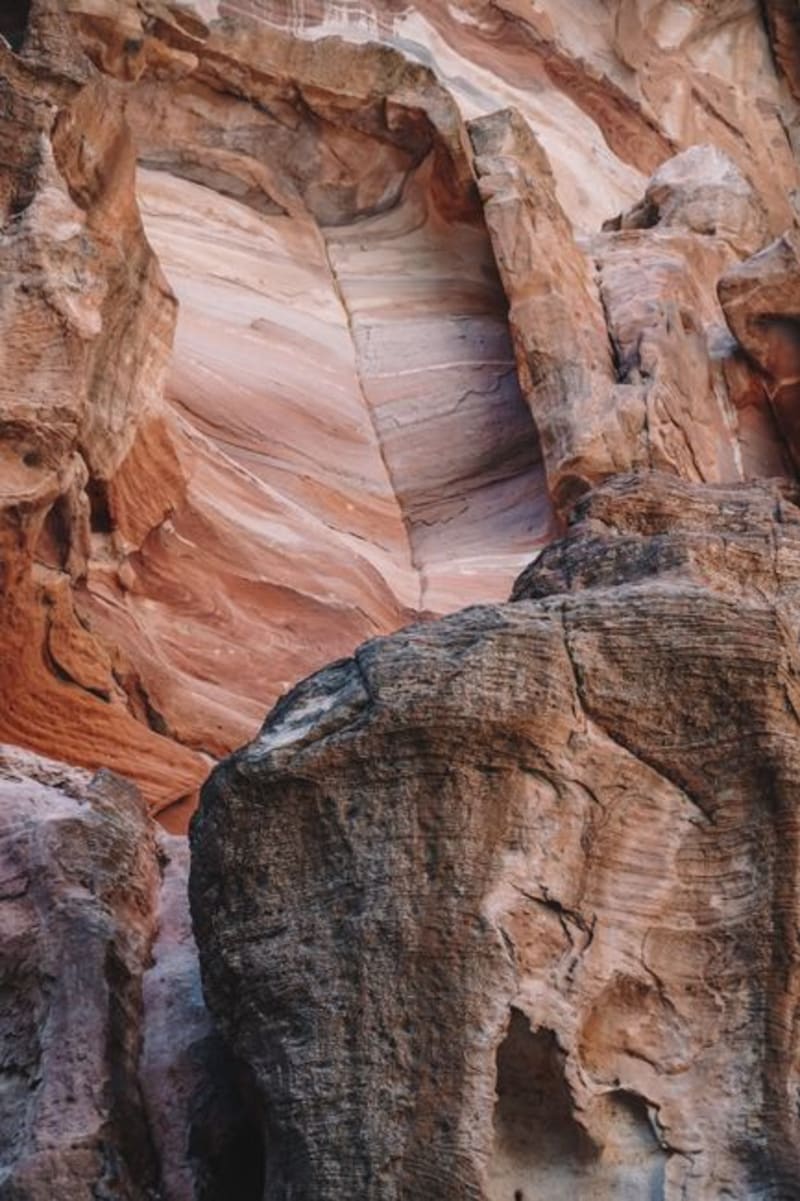 nabataean-desert
 Wadi Feynan
A valley of ancient copper mines and candlelit nights at the bottom of the Dana reserve, where the desert goes properly dark for the first time in your trip.
Explore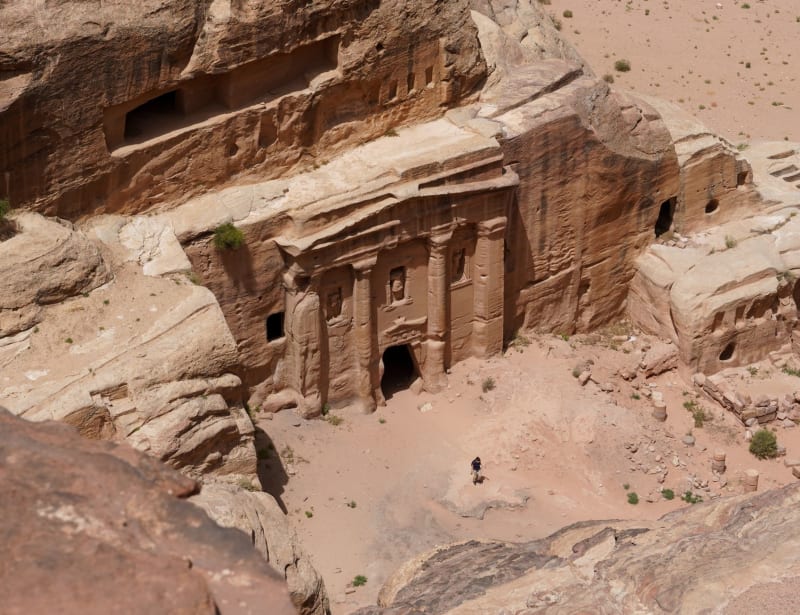 nabataean-desert
 Wadi Musa
The Jordanian town at Petra's gate where the welcome is warmer, the food is better, and the real southern Jordan begins.
Explore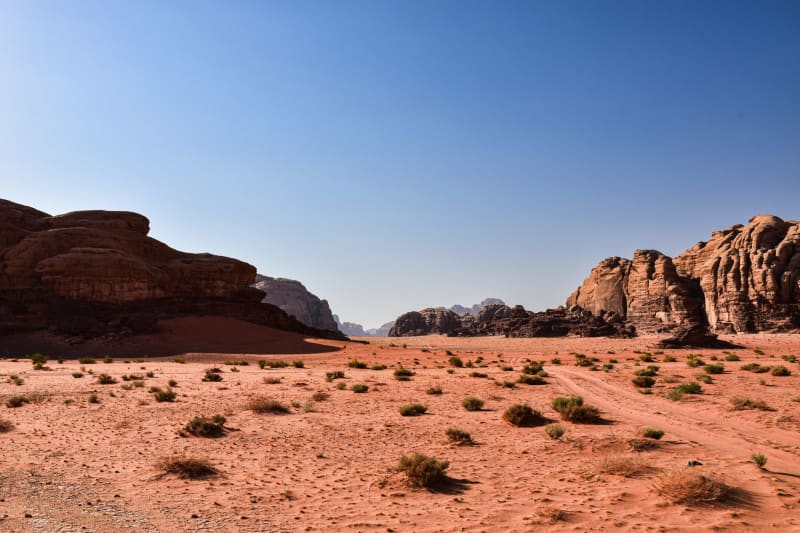 nabataean-desert
 Wadi Rum
A red-sand desert of biblical scale where silence has weight and the rock formations make you doubt your sense of distance.
Explore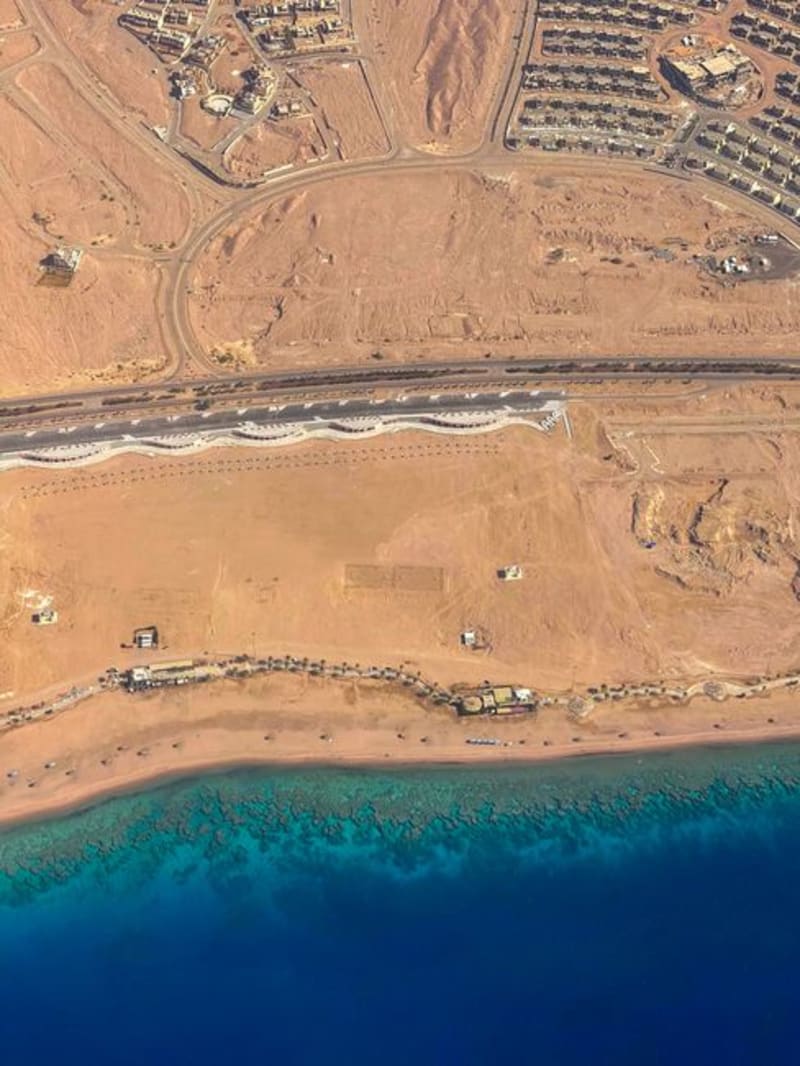 nabataean-desert
 Aqaba
Jordan's one window onto the sea, a Red Sea port town where Nabataean traders once unloaded incense and where I unloaded three days of desert dust into the reef instead.
Explore