Ma'an
"Every road in southern Jordan eventually passes through Ma'an, and almost nobody stops. I stopped, and I'm still not entirely sure why more people don't."
A dusty crossroads town on the old Hejaz railway where nobody comes for the sights and everybody should come for exactly that reason.
Every guidebook mentions Ma’an, if it mentions it at all, as a place you pass through — the junction town where the road to Petra splits from the road to Aqaba and the road to the Saudi border, a refueling stop, nothing more. I had exactly that low expectation when my bus broke down there for four hours on the way south, and I ended up more charmed by the enforced layover than by half the sites I’d paid to see that week. Ma’an is one of the oldest continuously inhabited towns in this part of Arabia, sitting on a caravan route so ancient that Nabataean traders used a version of it centuries before the Ottomans built the Hejaz railway station that still stands, weathered and half-functional, at the edge of town.
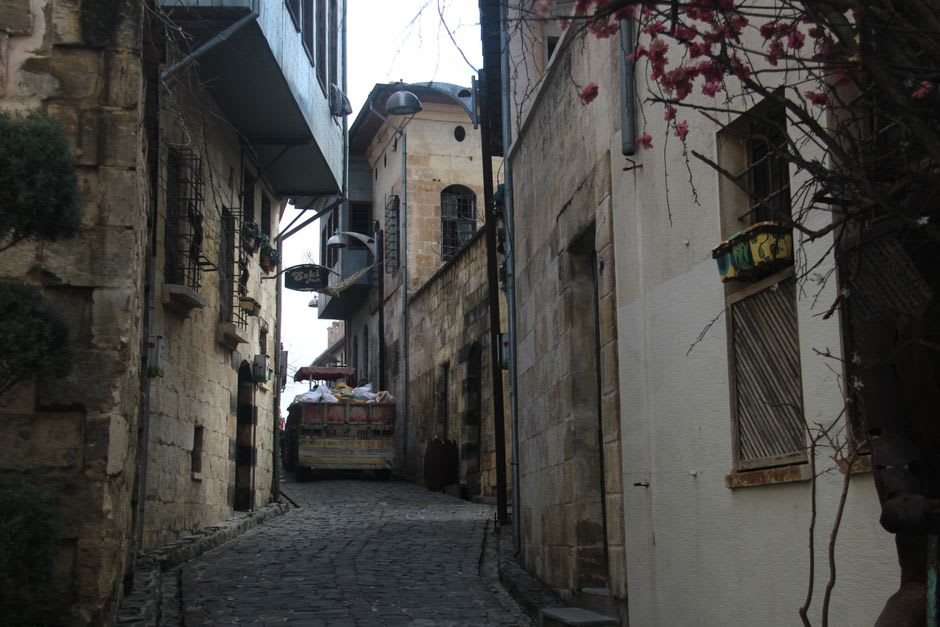
I killed the four hours wandering the old quarter, a dense knot of narrow lanes and mudbrick-and-stone houses that has none of the polish of restored old towns elsewhere in Jordan and all of the texture — laundry strung between buildings, a barber shop with a single ancient chair and a radio playing Egyptian pop, men playing cards on upturned crates outside a shuttered shopfront. A shopkeeper who sold me a bottle of water refused payment when he found out I was killing time because of the bus, insisted I sit, and brought out dates and small glasses of coffee flavored with cardamom while telling me, with evident pride, that his grandfather had worked loading camel caravans that supplied the Ottoman garrison before the First World War.
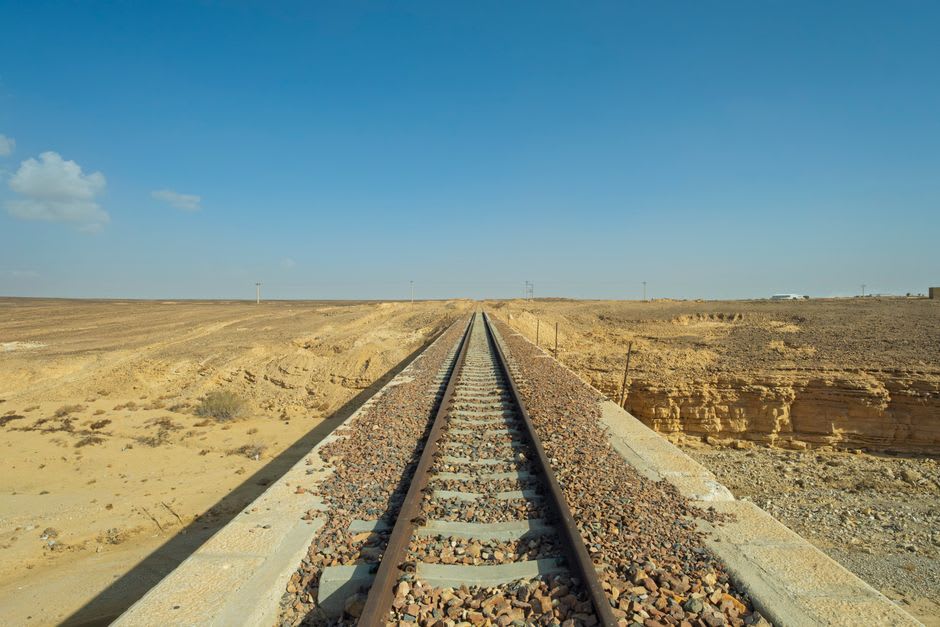
The old Hejaz railway station itself, a squat stone building with Ottoman arches and a rusting length of narrow-gauge track running off into the desert toward Medina, is the closest thing the town has to a formal attraction, and it gets almost no visitors despite its direct connection to the Arab Revolt that T.E. Lawrence made famous — this stretch of line was repeatedly sabotaged by Bedouin irregulars and British demolition teams during the First World War, and walking along the abandoned track with the sun going down, rust-colored light on rust-colored metal, felt like standing at the exact spot where a very specific kind of history had quietly run out of momentum and simply stopped.
When to go: Ma’an works best as an unplanned stop on the road between Amman, Petra, and Aqaba rather than a dedicated destination — but if your bus or car breaks down here, or you simply decide to get out and walk for an hour, do not treat it as wasted time. October to April keeps the midday heat in the old quarter bearable.
Keep exploring
More from Nabataean Desert
 nabataean-desert
 The High Place of Sacrifice
Petra's mountaintop ritual site where the Nabataeans met their gods — and where you meet the best view in the whole city.
Explore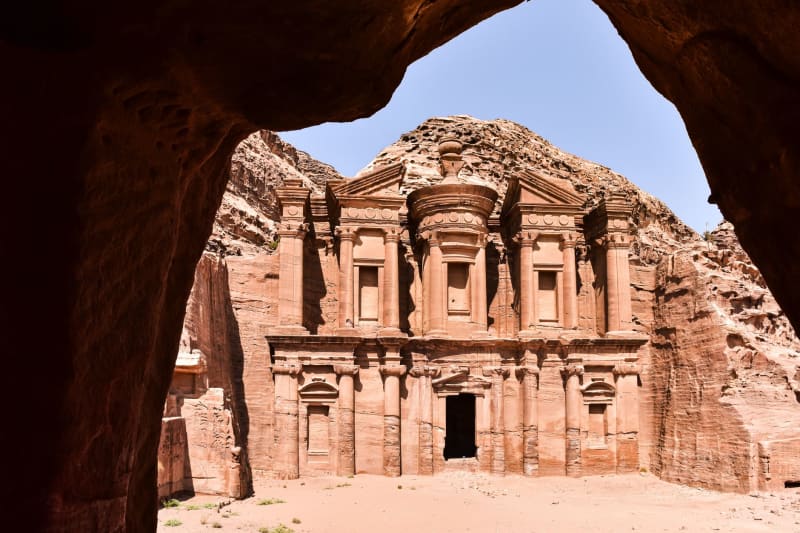 nabataean-desert
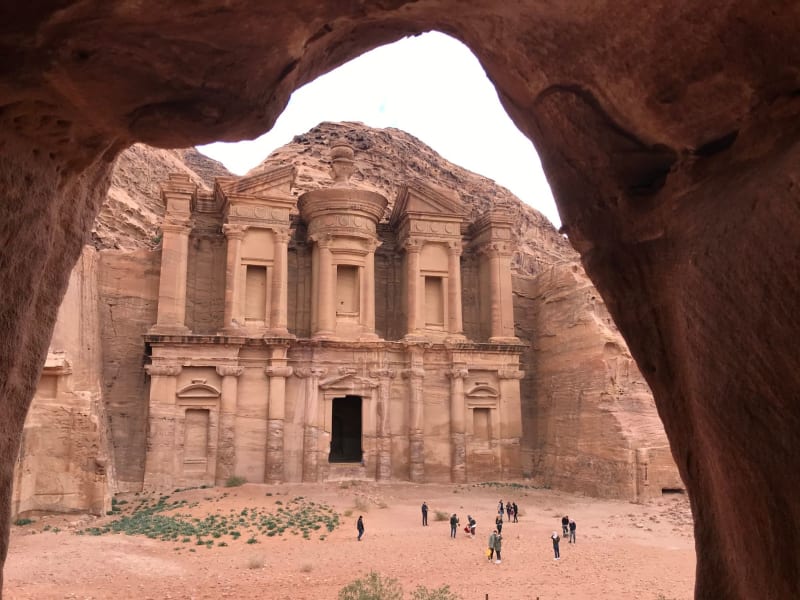
 The Monastery — Ad-Deir
Petra's largest carved monument sits at the top of 800 steps and makes you feel very small in the best possible way.
Explore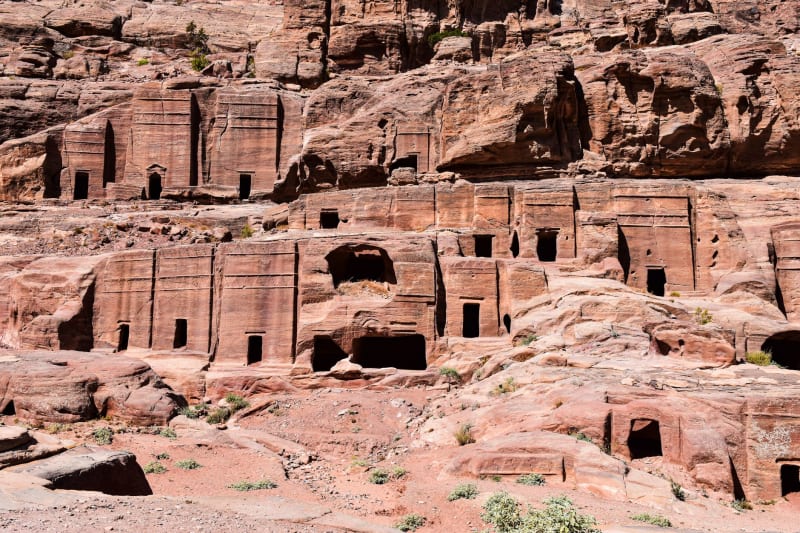 nabataean-desert
 The Royal Tombs
Petra's great carved cliff of royal facades where the geology becomes the architecture and the colors inside the rock tell their own story.
Explore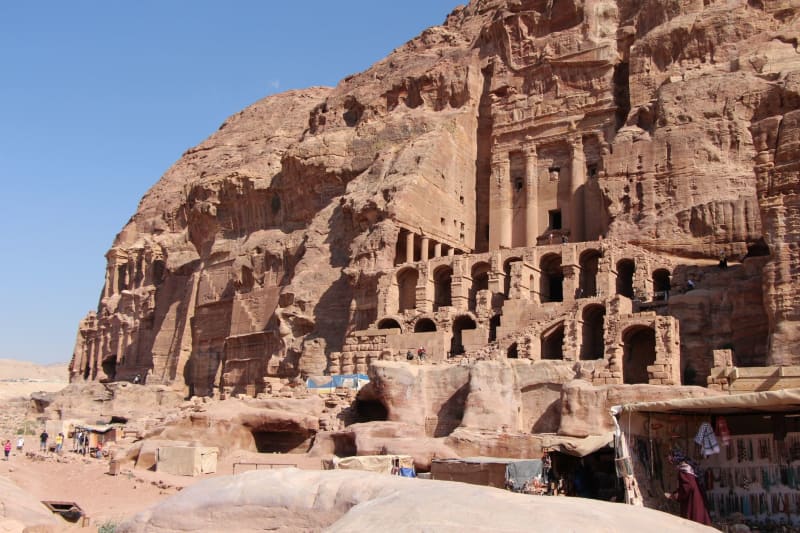 nabataean-desert
 The Siq and Al-Khazneh
A slot canyon that builds its mystery for two kilometers before detonating it in rose-red sandstone.
Explore nabataean-desert
 Sela
A rock fortress near Tafileh that predates Petra's fame by centuries, reached by a stair carved straight into the cliff face and visited, most days, by nobody at all.
Explore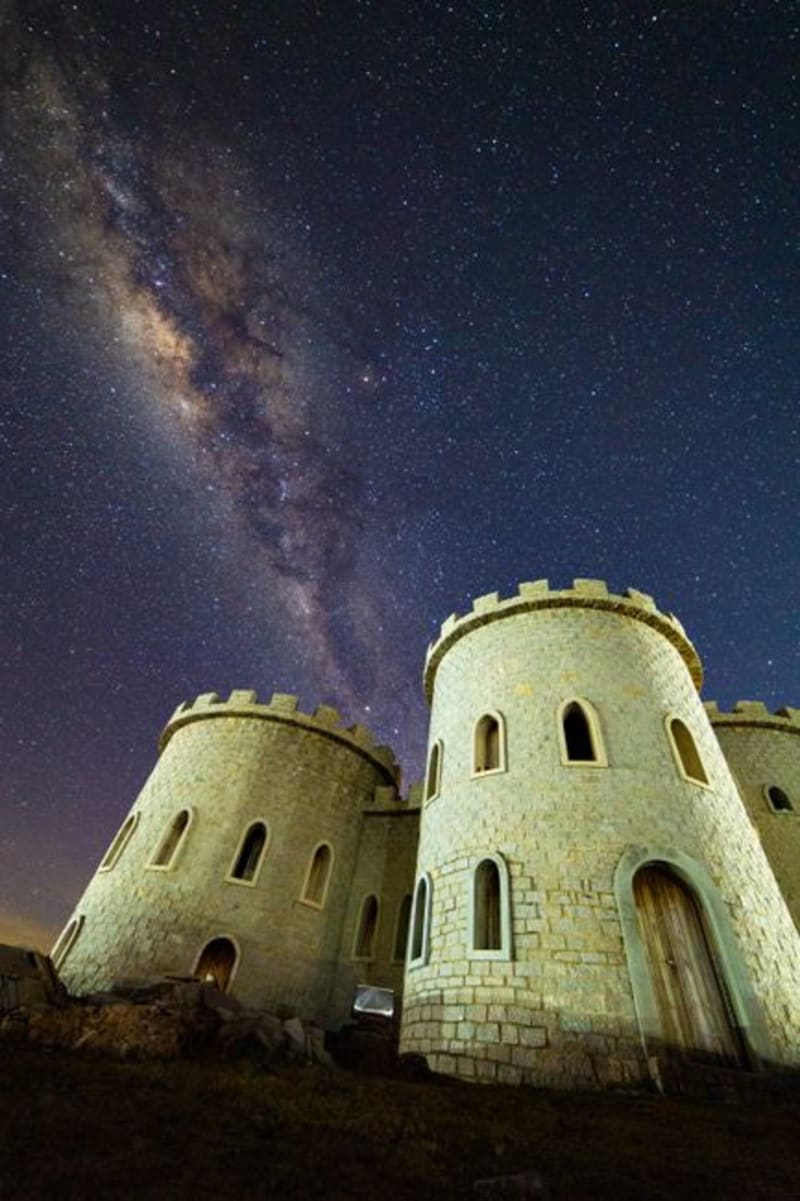 nabataean-desert
 Shobak Castle
A Crusader fortress on a lonely hilltop above the King's Highway, forgotten by most tour buses and all the better for it.
Explore