Humayma
"A revolution was planned in this dust, and the dust has kept the secret so well that almost nobody comes looking anymore."
A forgotten Nabataean city in the far southern desert where empires and dynasties quietly rose, and almost no other visitor ever comes.
I found Humayma by accident, more or less — a Bedouin driver I’d hired for a day near Ras al-Naqab mentioned “the old city” with a shrug, as if it were nothing, and I asked him to take me there instead of straight to the highway. What I found was a site with almost no infrastructure, no ticket booth, no fence, just a flat gravel plain scattered with low stone walls, column drums, and cistern openings stretching further than I expected, and not a single other visitor in the two hours I spent walking it. That absence of anyone else is, I think, the entire point of coming.
The Nabataeans founded it as Hawara, or Auara, likely under King Aretas III in the first century BCE, as a staging post on the incense route between Petra and the Red Sea — and they built an extraordinarily sophisticated water system to make a permanent settlement possible in a place with essentially no natural water source, channeling runoff from surrounding hills into a network of reservoirs still visible as sunken rectangular pits in the ground. The Romans later fortified it as a legionary outpost, and then, centuries after that, an Umayyad prince named Muhammad ibn Ali settled his family here in relative obscurity — until his descendants began quietly organizing the movement that would become the Abbasid Revolution, the uprising that overthrew the Umayyad Caliphate in 750 CE and moved the center of the Islamic world to Baghdad. Standing in the low stone foundations of what archaeologists believe was that family’s residence, I found it hard to reconcile the emptiness of the place now with the scale of what had apparently been plotted there.
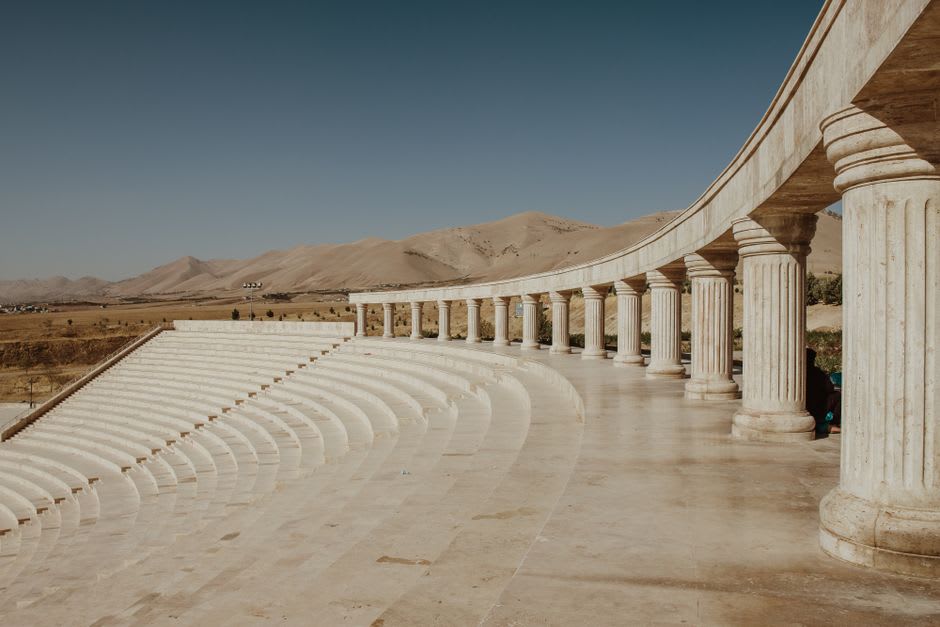
My driver, who turned out to know the site far better than his initial shrug suggested, walked me to a Roman fort at the edge of the ruins and then to a small, austere structure identified as an early Islamic mosque — possibly one of the oldest surviving mosque structures anywhere, predating most of the grand ones built once Islam had real state resources behind it. It is a simple rectangle of low stone walls, no minaret, no dome, nothing photogenic in the conventional sense, and that plainness is exactly what made it stop me in my tracks. This is what faith looked like before it had a budget.
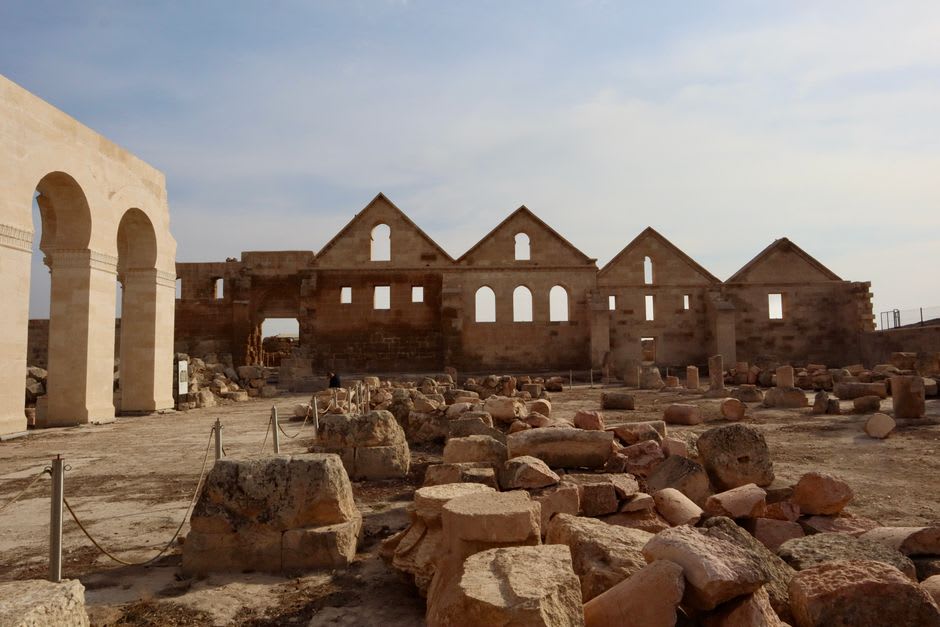
When to go: Cooler months, November to March, are essential — there is zero shade at the site and the plain radiates heat brutally in summer. Hire a local driver from Ras al-Naqab or Aqaba who knows the unmarked turnoff; this is not a site you find with a rental car and a GPS pin alone.
Keep exploring
More from Nabataean Desert
 nabataean-desert
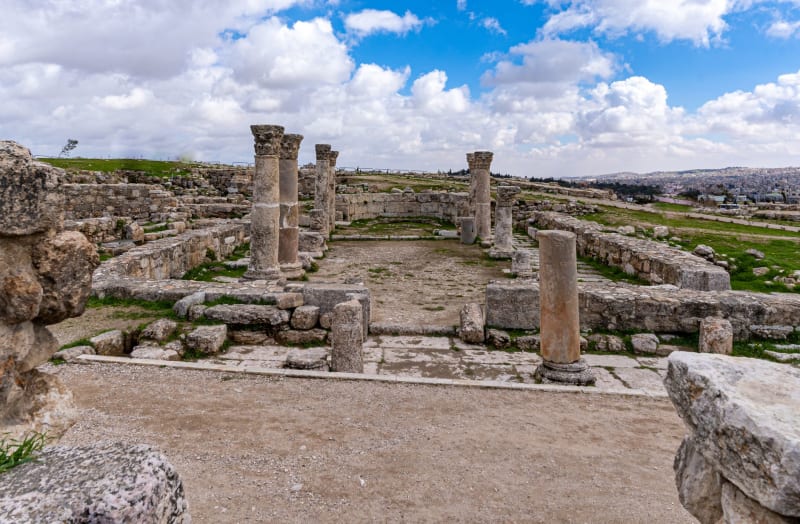
 Jabal Haroun — Aaron's Mountain
Petra's highest peak holds a white-domed Islamic shrine above the Nabataean world, reached by a half-day walk through desert wilderness.
Explore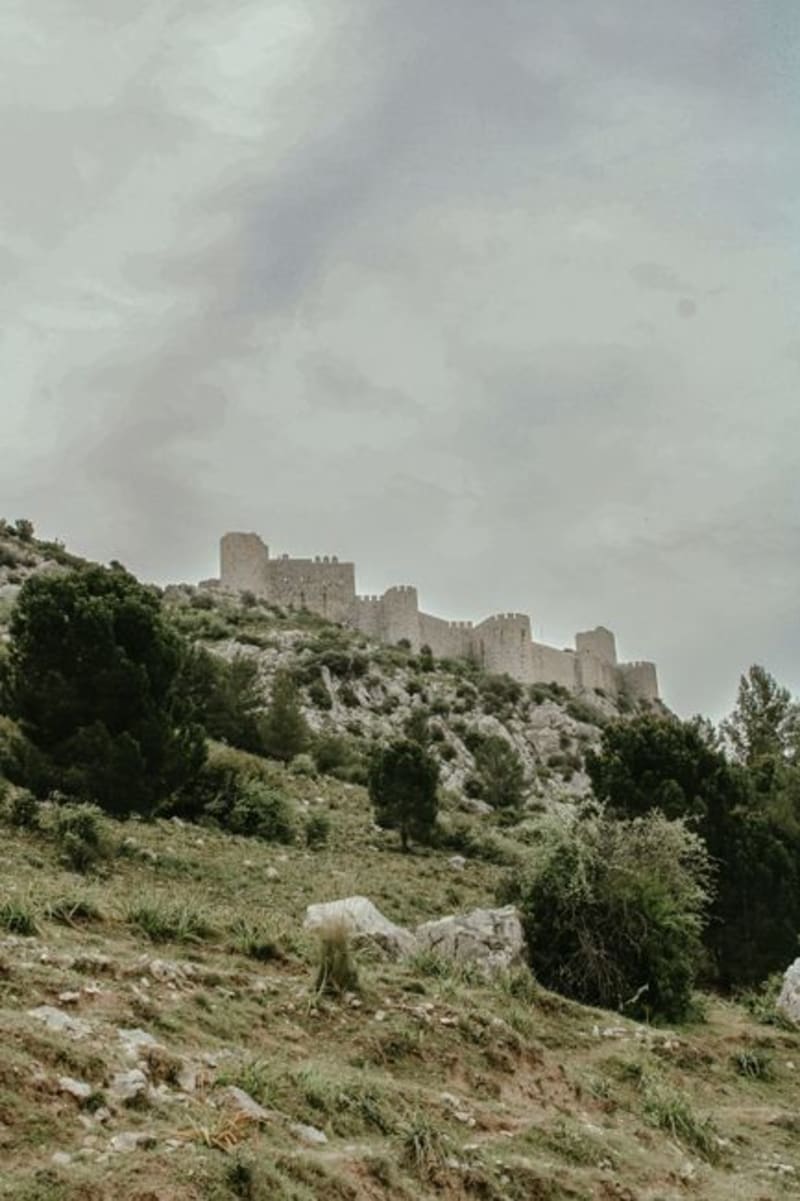 nabataean-desert
 Karak Castle
A brooding black-stone Crusader fortress above the King's Highway, ruled once by the most hated man in the Holy Land and still the centerpiece of a living hill town.
Explore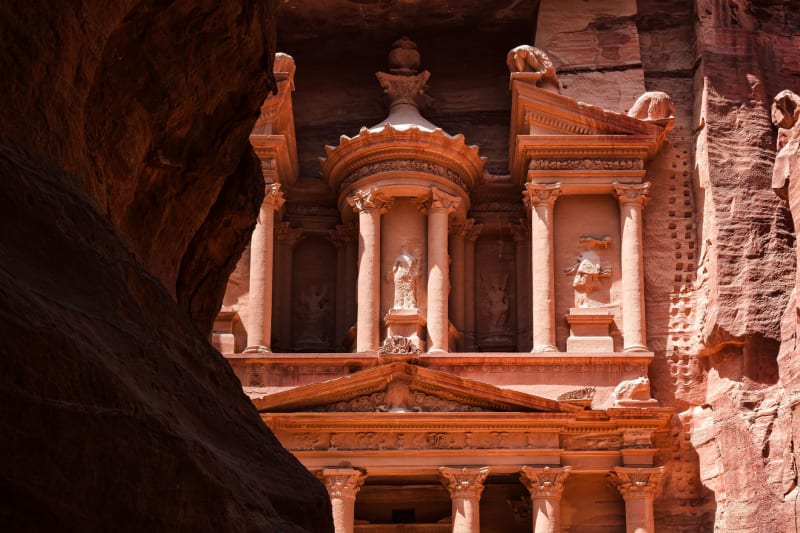 nabataean-desert
 Little Petra — Siq al-Barid
The Nabataean caravanserai where spice merchants rested — smaller than its famous neighbor, quieter, and almost always yours alone.
Explore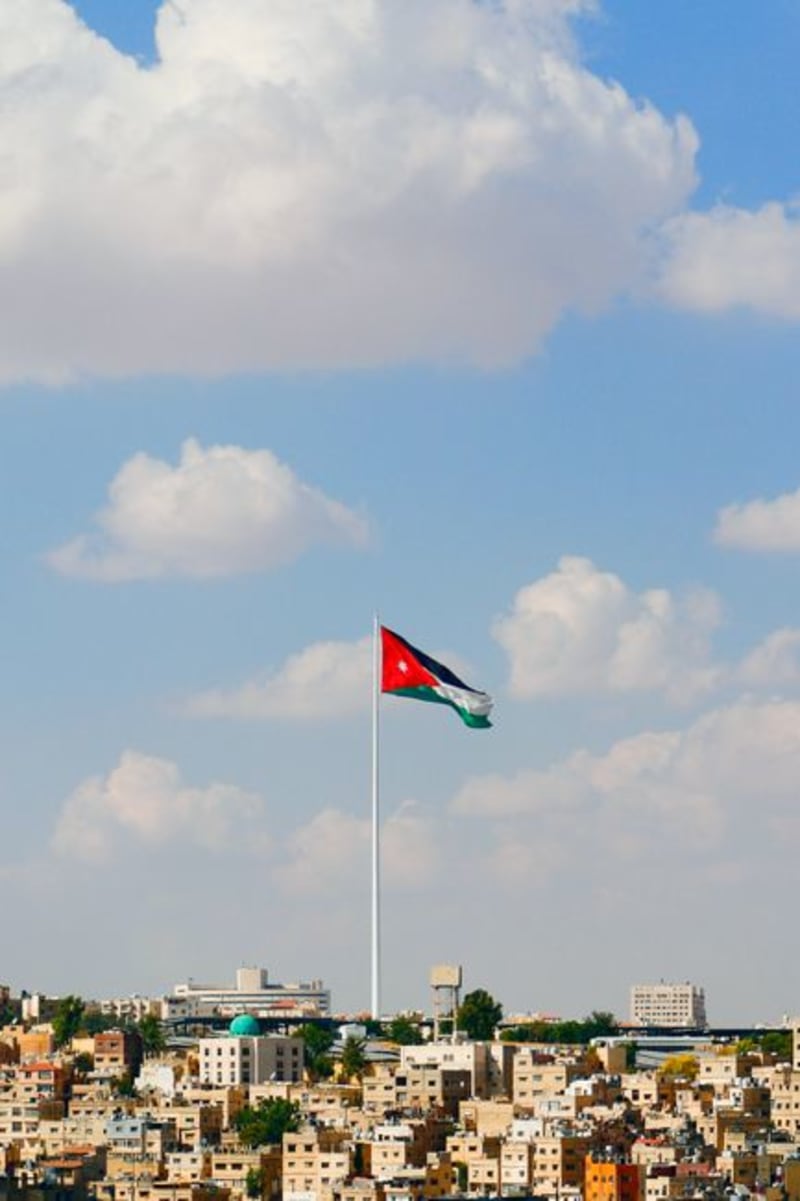 nabataean-desert
 Ma'an
A dusty crossroads town on the old Hejaz railway where nobody comes for the sights and everybody should come for exactly that reason.
Explore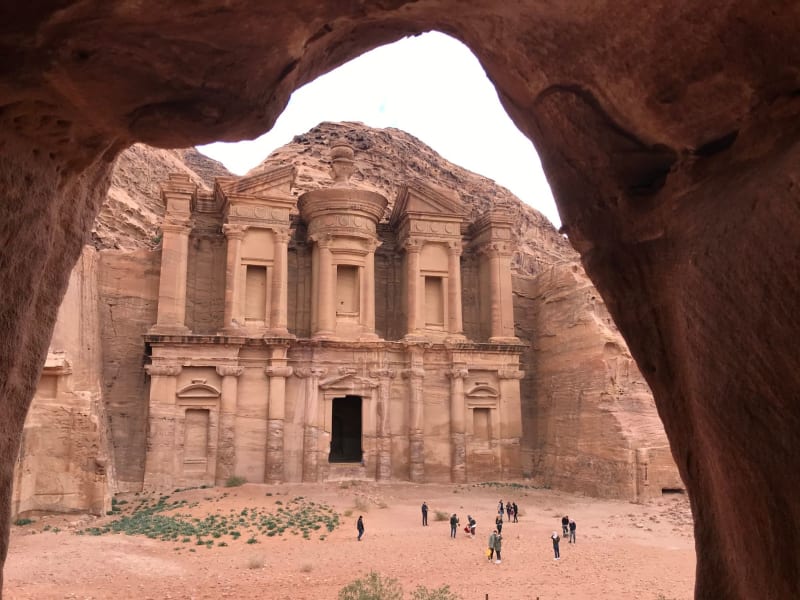 nabataean-desert
 The High Place of Sacrifice
Petra's mountaintop ritual site where the Nabataeans met their gods — and where you meet the best view in the whole city.
Explore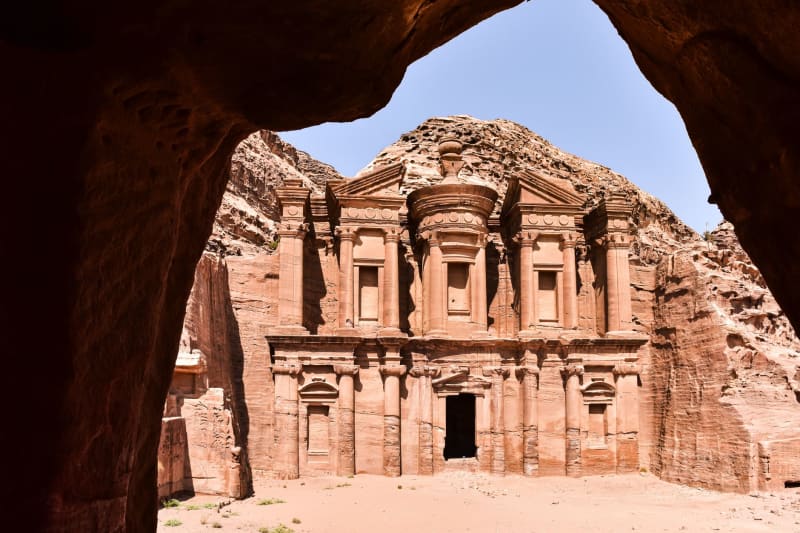 nabataean-desert
 The Monastery — Ad-Deir
Petra's largest carved monument sits at the top of 800 steps and makes you feel very small in the best possible way.
Explore