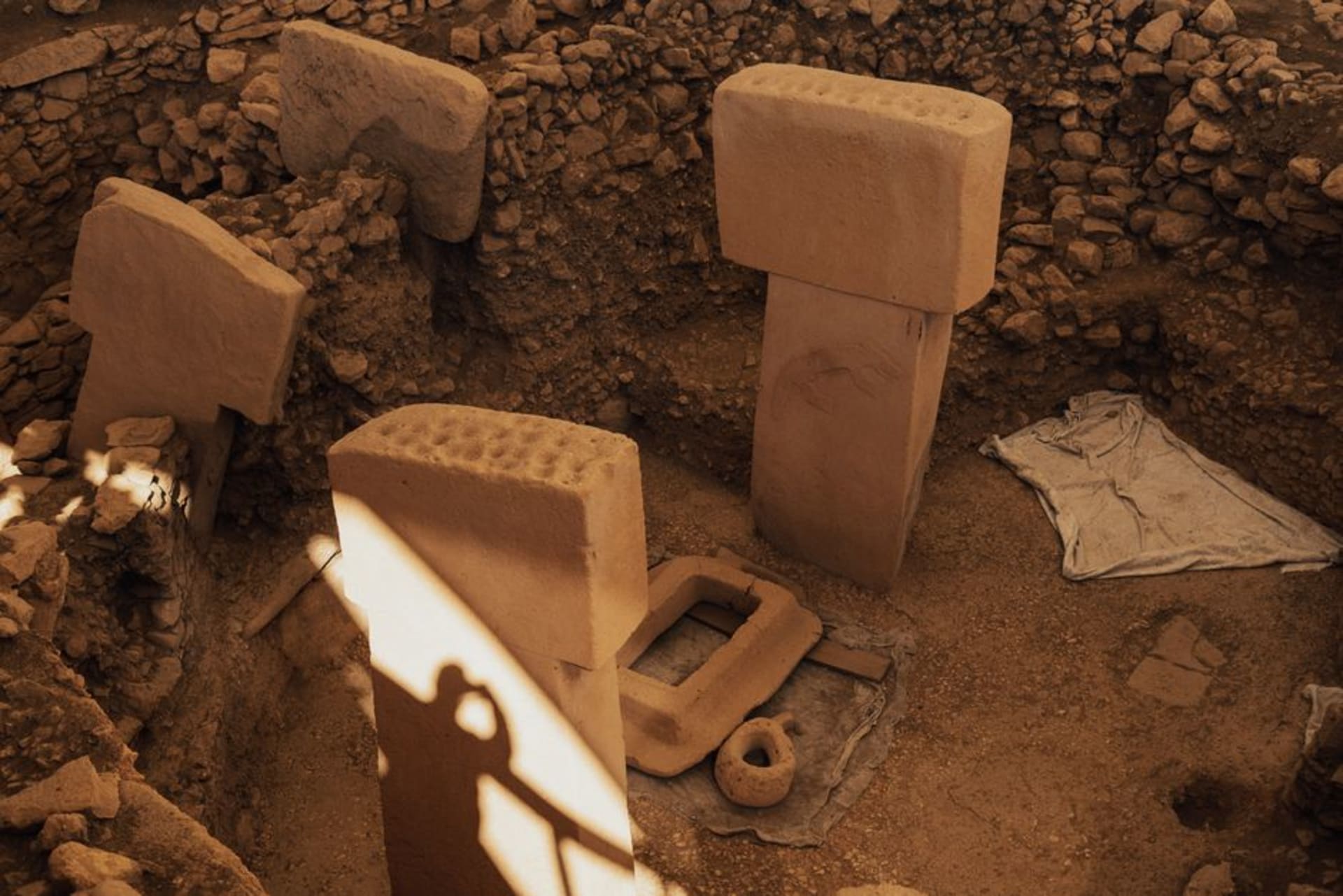
Beidha Neolithic Village
"The Nabataeans were latecomers to this valley. People had been living here for seven thousand years before a single tomb was carved."
A 9,000-year-old village of round stone houses tucked beside Little Petra, older than writing, older than pottery, older than nearly everything else this region is famous for.
I had come to the area entirely for the Nabataean sites and nearly missed Beidha because it looked, from the small brown sign at the trailhead, like an afterthought — a short walk off the path near Little Petra, easy to skip if you’re running on a tour schedule. I am glad I didn’t skip it, because Beidha turned out to be one of the strangest, quietest, most conceptually disorienting things I saw in the entire Petra region, and it has almost nothing to do with the Nabataeans at all. This is a Pre-Pottery Neolithic B settlement, roughly nine thousand years old, meaning it predates not just Petra’s carved facades but pottery itself, writing, the wheel, and metal tools. People were living in organized, semi-permanent round stone houses here while much of the rest of the world was still following herds.
Excavated originally by the British archaeologist Diana Kirkbride in the 1950s and 60s, the site preserves low circular and later rectangular stone foundations, clustered close together on a terrace above a small wadi, with clear evidence of specialized buildings that appear to have been used for craft production rather than simple habitation. What struck me hardest, reading the modest interpretive panels while standing in the actual footprint of a nine-thousand-year-old house, was the evidence of long-distance trade — obsidian tools found here were sourced through chemical analysis to volcanic outcrops in central Anatolia, hundreds of kilometers north, meaning these early villagers were plugged into a trade network stretching across a huge swath of the ancient Near East millennia before anyone had thought to invent the incense routes the Nabataeans would later dominate.
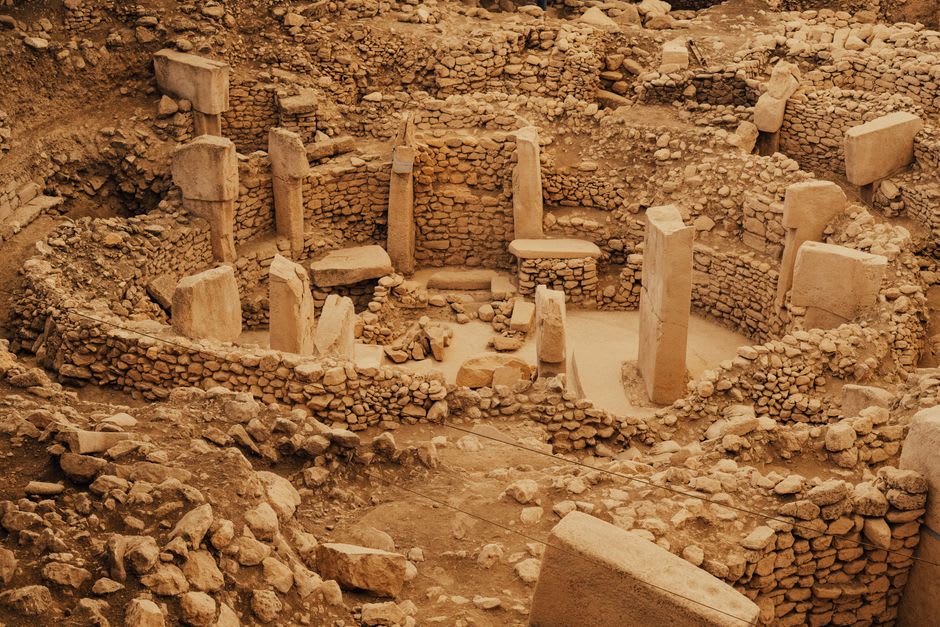
I sat for a while on a flat rock at the edge of the site, looking out over the same sandstone hills that eventually lead toward Little Petra a short walk away, trying to hold two timescales in my head at once — the Nabataean carvings I’d just spent two days photographing, impressive and ancient by any normal measure, and this place, which had already been abandoned for millennia by the time the first Nabataean chisel touched the rock nearby. It recalibrated something in how I thought about “ancient” for the rest of the trip.
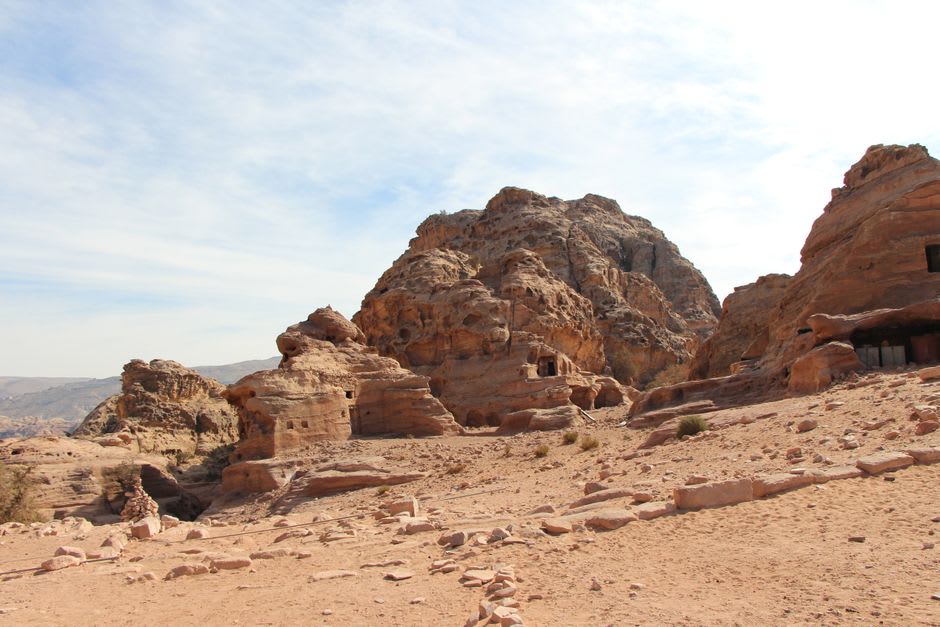
When to go: Beidha is a short, easy add-on to a Little Petra visit any time of year the site itself is open — cooler months make the short walk more pleasant, but there is little shade-dependency here compared to the bigger sites nearby. Bring the patience to read the interpretive signage carefully; without it, the low stone circles can look like very little at all.
Keep exploring
More from Nabataean Desert
 nabataean-desert
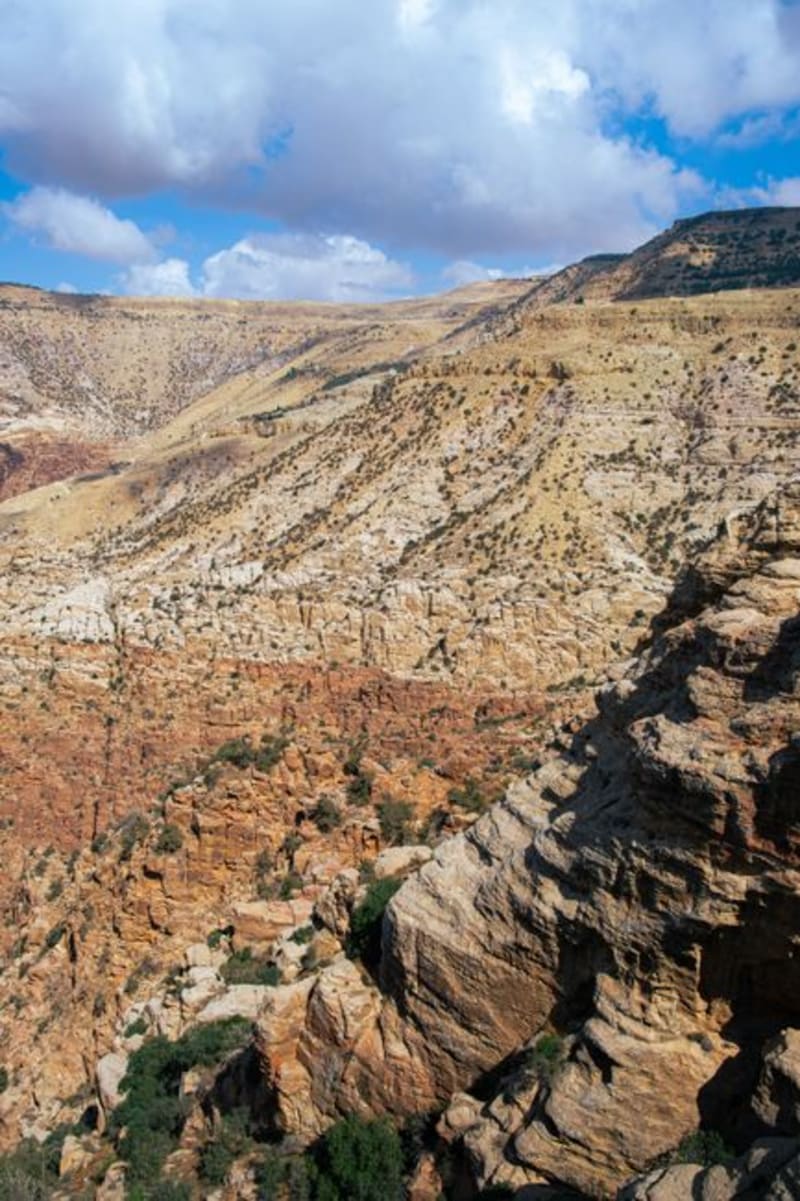
 Dana Biosphere Reserve
Jordan's largest nature reserve, a canyon of stone houses and sandstone cliffs where four ecosystems collide and the silence is almost total.
Explore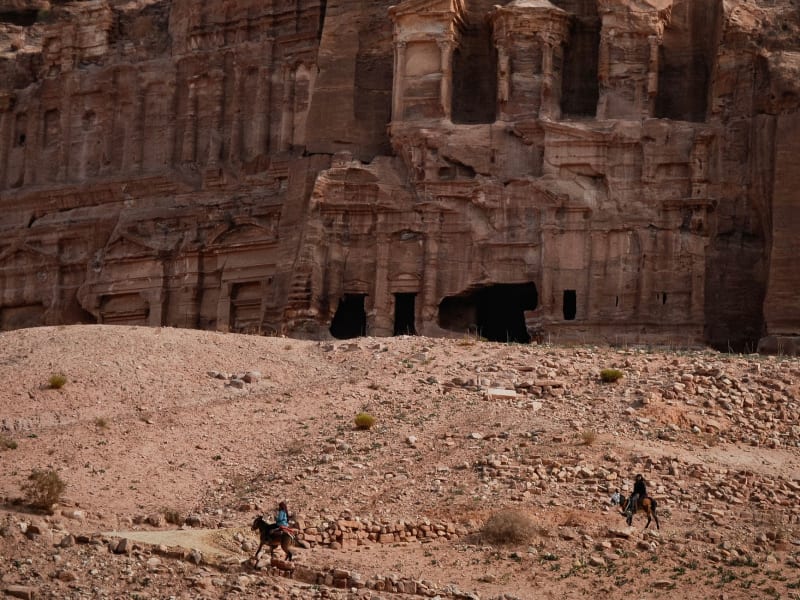 nabataean-desert
 Hegra — Mada'in Salih
The Nabataeans' second city rises from the Saudi desert in freestanding tombs that make Petra feel crowded by comparison.
Explore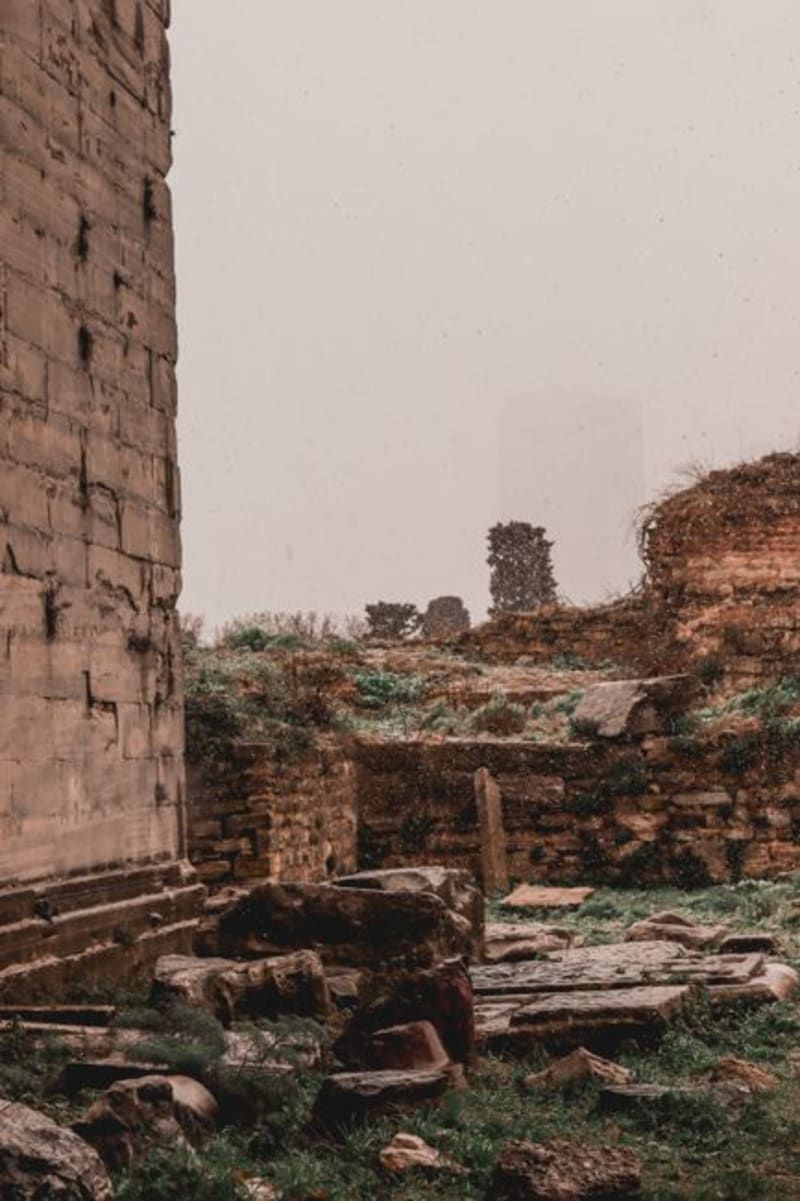 nabataean-desert
 Humayma
A forgotten Nabataean city in the far southern desert where empires and dynasties quietly rose, and almost no other visitor ever comes.
Explore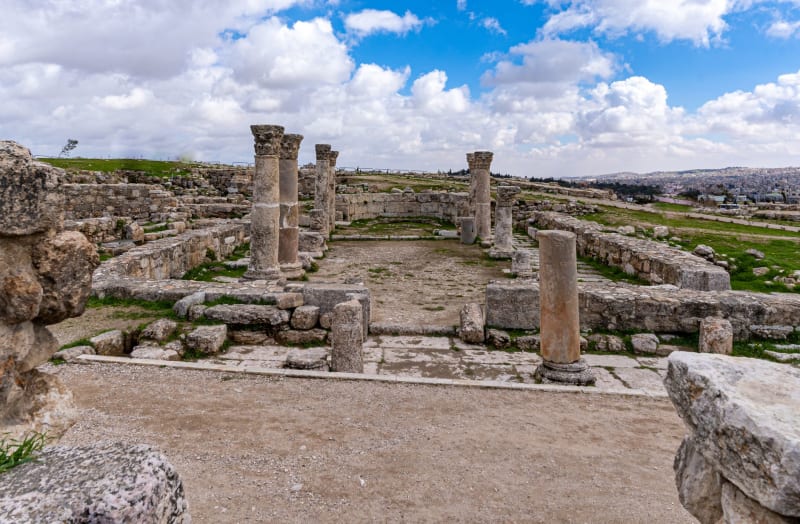 nabataean-desert
 Jabal Haroun — Aaron's Mountain
Petra's highest peak holds a white-domed Islamic shrine above the Nabataean world, reached by a half-day walk through desert wilderness.
Explore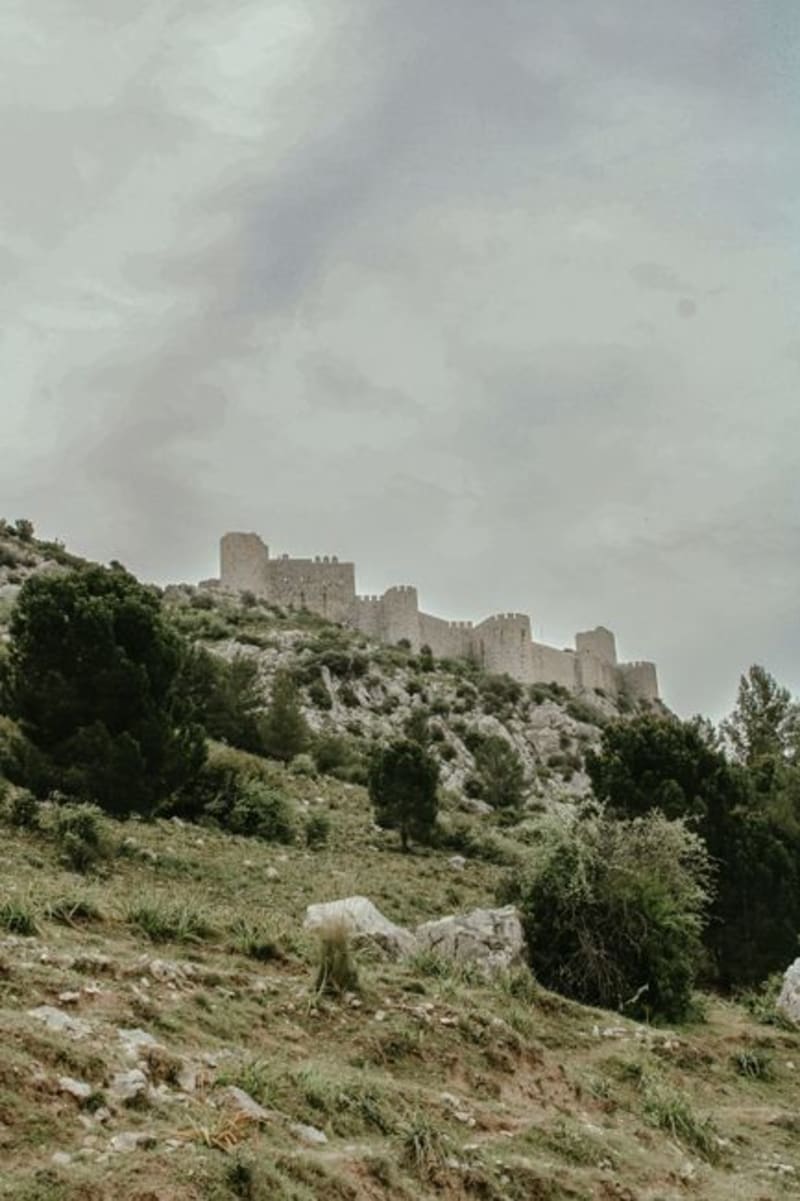 nabataean-desert
 Karak Castle
A brooding black-stone Crusader fortress above the King's Highway, ruled once by the most hated man in the Holy Land and still the centerpiece of a living hill town.
Explore nabataean-desert
 Little Petra — Siq al-Barid
The Nabataean caravanserai where spice merchants rested — smaller than its famous neighbor, quieter, and almost always yours alone.
Explore