Murmansk
"I came for the lights in the sky and stayed for a city that refuses to be ordinary."
The world's largest city above the Arctic Circle, where nuclear icebreakers dock beside a bombed-out past and the sky performs all winter long.
Lia and I landed in Murmansk in January, in the thick of the polar night, and for a second I genuinely didn’t know what time it was — 11 a.m. looked like dusk, and the streetlights never really turned off. That disorientation is, I think, the whole point of coming here. Murmansk is the largest city in the world north of the Arctic Circle, and it wears that fact plainly: everything about it, from the way people dress to the way the harbor never freezes, is shaped by a latitude most cities simply don’t survive at. The Kola Bay stays ice-free year-round because of the North Atlantic Current, which is the only reason this place exists at all — it’s why the Russian Empire founded it in 1916, right at the end, as Romanov-on-Murman, the last city it would ever build.
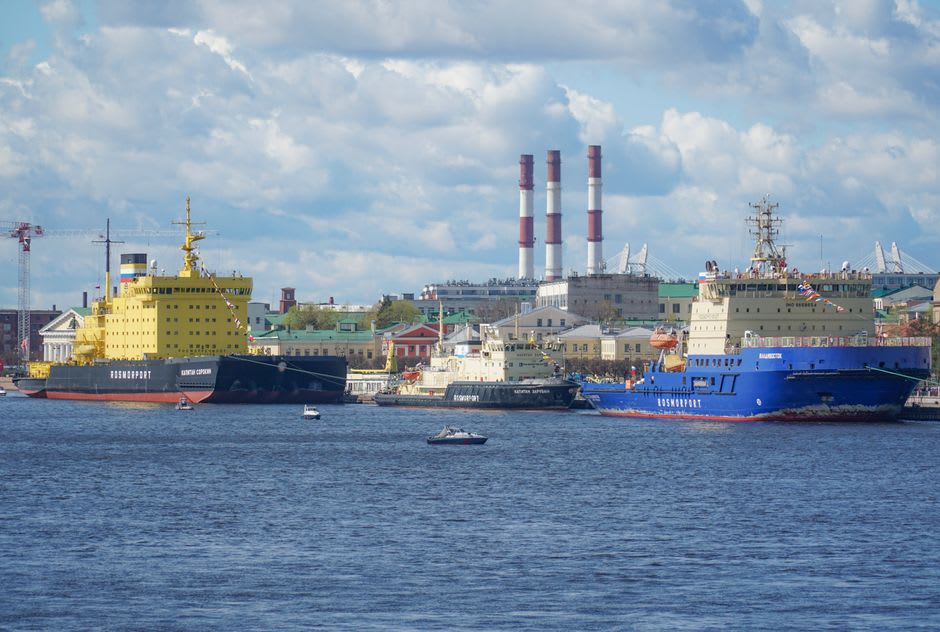
That ice-free harbor is still the heart of the city. We spent a whole afternoon just walking the port road, watching the nuclear icebreaker fleet sit at anchor — squat, orange-and-black ships that looked like they belonged in a different century and the next one simultaneously. During World War II this same harbor was the lifeline for Allied convoys bringing supplies into the Soviet Union, and the Germans knew it: Murmansk was bombed almost to the ground between 1941 and 1944, second only to Stalingrad in the scale of destruction it absorbed. Standing at the waterfront, it’s strange to reconcile that history with how quietly functional the port feels today, cranes turning, gulls circling, nobody in a hurry.
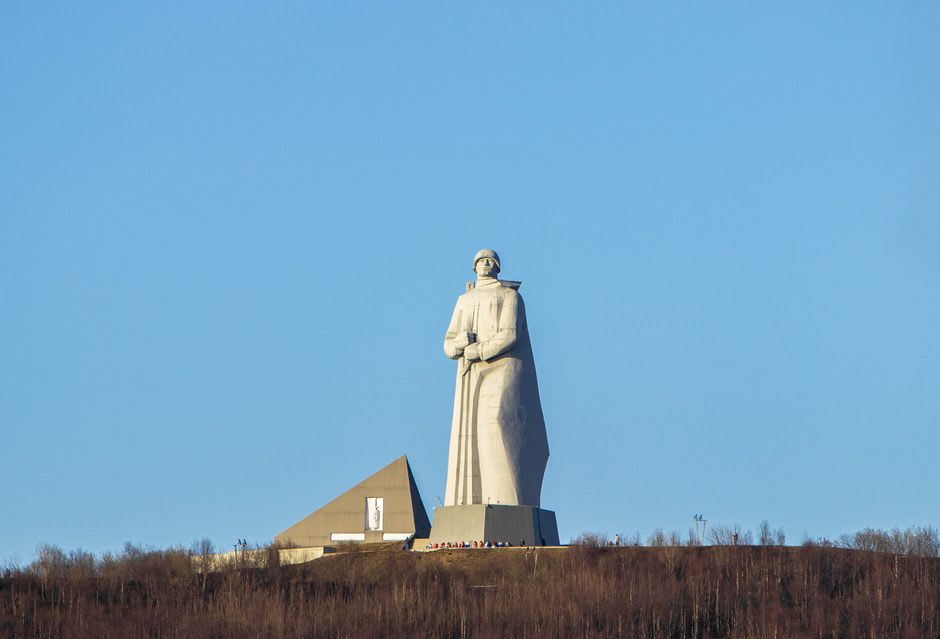
We climbed up to the Alyosha Monument on our second evening, and I’m not exaggerating when I say it stopped both of us mid-sentence. The statue is enormous — 35.5 meters of Soviet soldier, finished in 1974, facing out toward the Barents Sea as if still keeping watch. From up there the entire rebuilt city spreads below you, blocky and Soviet and lit orange against the snow, and if you’re lucky and the sky cooperates, that’s exactly where the aurora shows up first. We caught a faint green ribbon over the bay that night, nothing like the postcard shots, but enough to make Lia grab my arm and go quiet.
What stayed with me most, though, was a plate of reindeer stew at a tiny place near the train station, the owner explaining without any prompting that half the city’s buildings went up after 1945 because there was almost nothing left standing before. Murmansk doesn’t perform its history for tourists — it just lives inside it, matter-of-factly, the way you’d mention an old scar.
When to go: Come between December and March for the polar night and a real shot at the northern lights, or swap the darkness for the opposite extreme in June and July, when the midnight sun keeps the city lit around the clock.
Keep exploring
More from Murmansk & Arctic
 murmansk-arctic
 Pechenga
A border valley where a 16th-century Orthodox monastery and a Cold War military history occupy the same frozen landscape without apparent contradiction.
Explore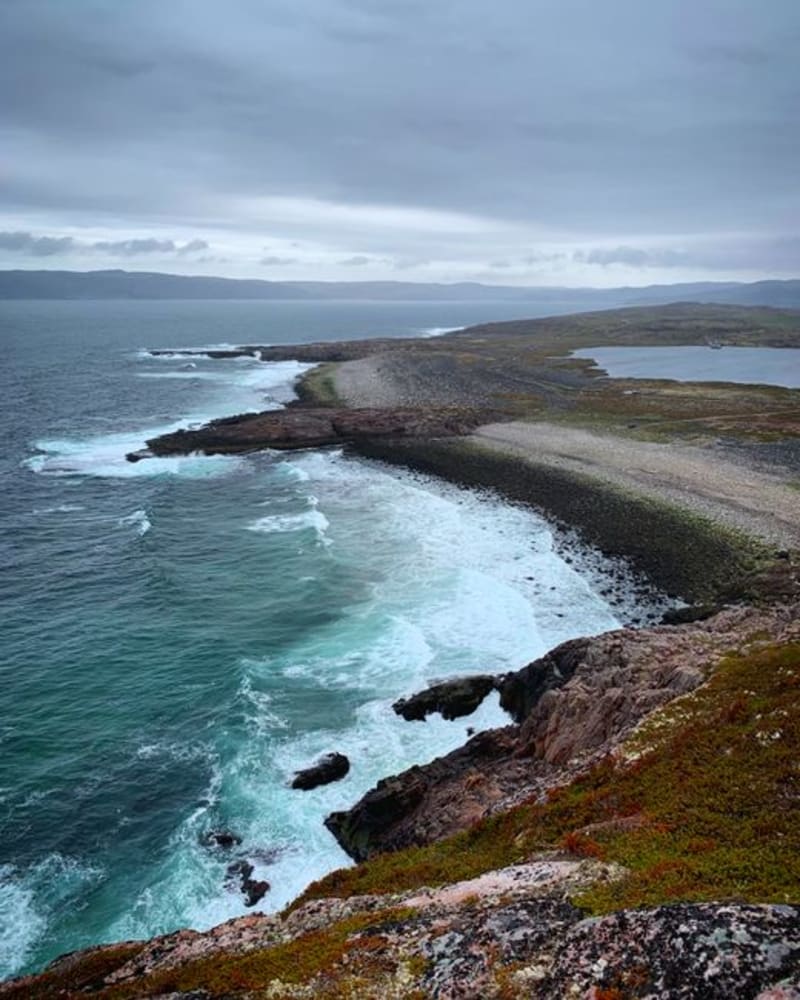 murmansk-arctic
 Rybachy Peninsula
A treeless, wind-scoured finger of tundra on the Barents Sea where wartime trenches outnumber roads and the silence feels older than the fighting.
Explore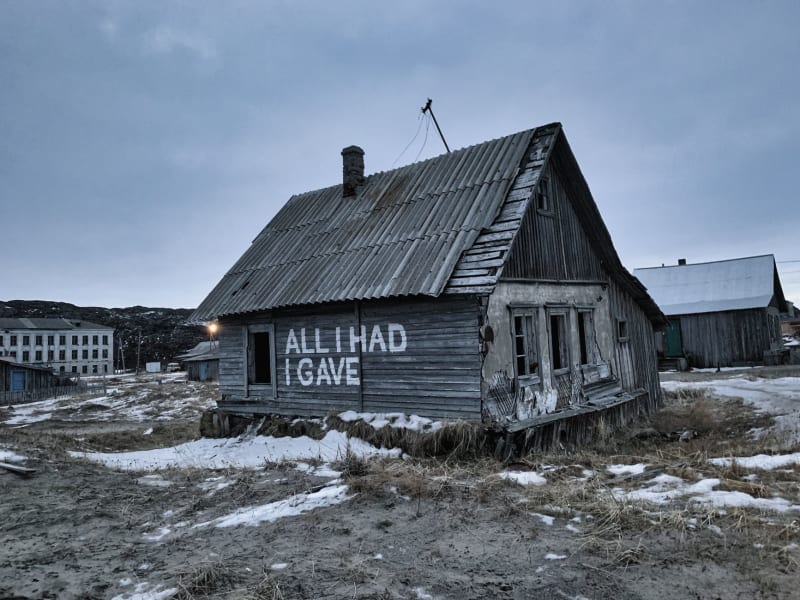 murmansk-arctic
 Teriberka
A village at the end of the road where ruined trawlers rot on a black sand beach and the Barents Sea says whatever it wants.
Explore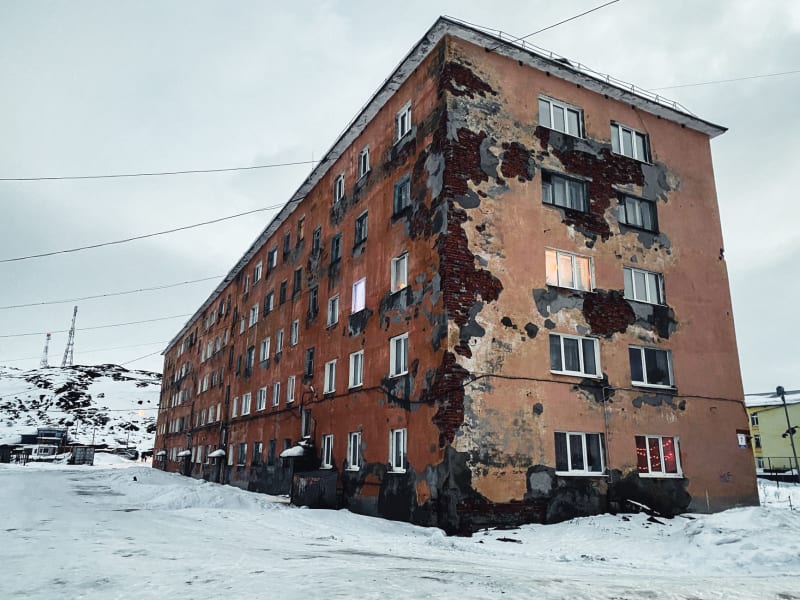 murmansk-arctic
 Alyosha Monument
A sixty-five-metre Soviet soldier stares north over Kola Bay, and the city below him feels like it's still holding its breath.
Explore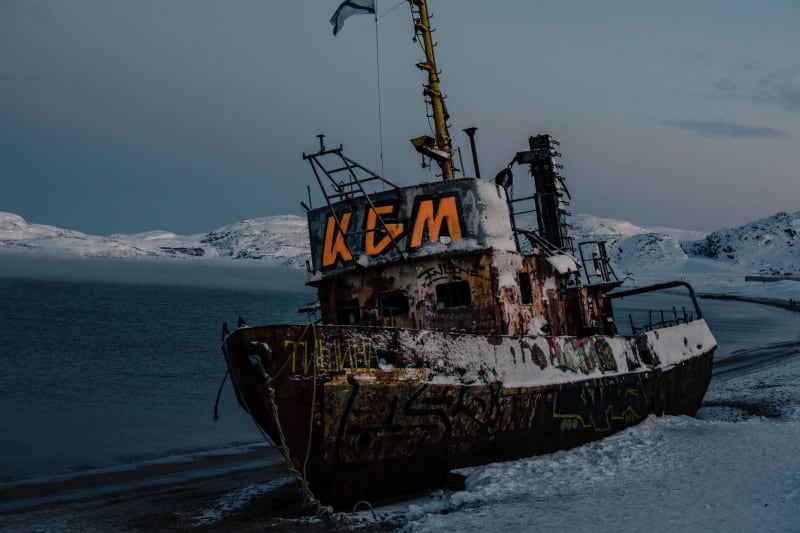 murmansk-arctic
 Kandalaksha
A White Sea port where eider ducks winter in their thousands and the ice has a different quality of silence than the Barents Sea.
Explore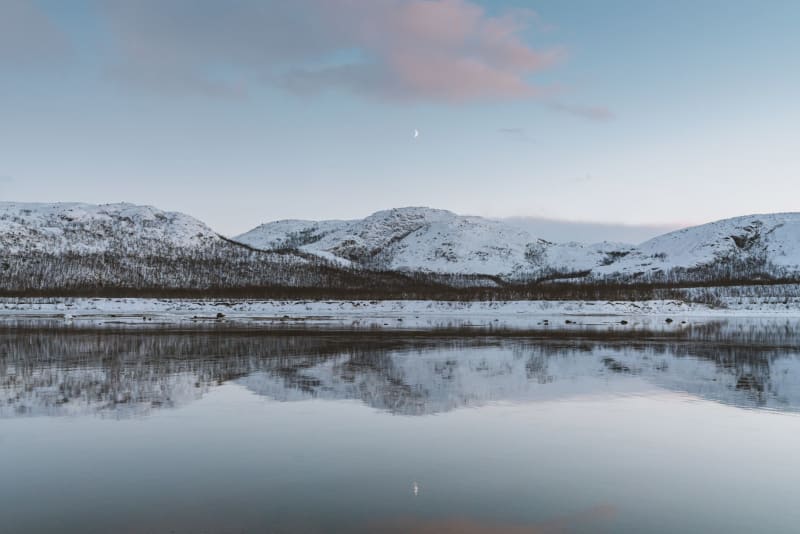 murmansk-arctic
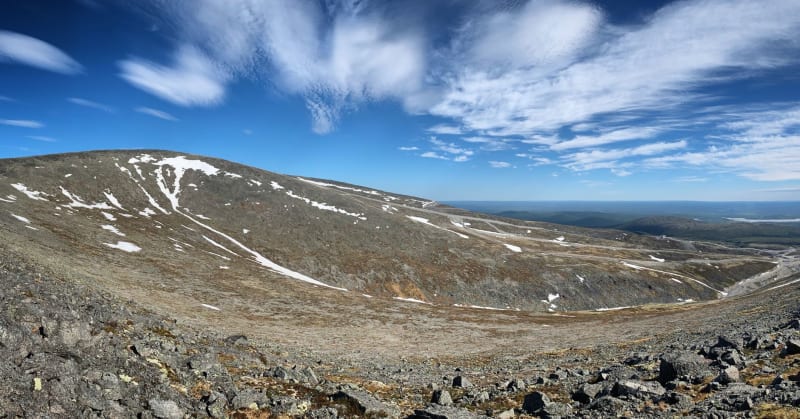
 Khibiny Mountains
An improbable mountain range above the Arctic Circle where you can ski at minus thirty and hike through tundra in the midnight sun.
Explore