Pemba
"At Wimbe Beach the call to prayer from the mosque arrived on the same breeze as the smell of grilling fish and someone's transistor radio. This is what Pemba is."
I flew into Pemba from Maputo and the approach told me immediately that I was somewhere different. The bay — one of the largest natural harbors in Africa, a wide crescent of deep water cutting into the Cabo Delgado coast — was visible from the air as something almost geological in its scale, the kind of bay that explains why a city exists here at all. The colonial Portuguese recognized it; the Arab traders before them recognized it; the Makua people who have fished these waters for centuries recognized it. Pemba sits on this bay with a sense of having been inevitable.
The Paquitequete quarter is the city’s oldest neighborhood and its most visually arresting, built largely in coral rag — the same raised-reef stone construction you find throughout the Swahili coast — with streets narrow enough that the buildings shade each other through the heat of the day. The fish market opens before dawn, and if you go early enough you find the fishing boats coming in with the catch while the market women are still setting up their tables, the whole transaction happening in the dark by headlamp and intuition. The smell is extraordinary, which is not always a compliment but is always accurate. I ate grilled kingfish from a charcoal brazier at six-thirty in the morning standing up, and it was one of the best things I ate in Mozambique.

The cultural complexity of Pemba takes a few days to start reading. The city is simultaneously the capital of Cabo Delgado province and a gateway to the Quirimbas Archipelago, which means it holds government infrastructure alongside fishing families alongside lodge operators alongside the Swahili-Muslim community of Paquitequete alongside the expat contingent attracted by the diving and the relative comfort of the town’s better hotels. These communities don’t exactly mix — they run parallel, sharing streets and markets and the same beautiful bay. The call to prayer sounds five times a day from the mosque near the waterfront. The Catholic church up the hill rings its bell on Sundays. The sound of both carried through my guesthouse window simultaneously one morning and I lay there listening to the overlap.

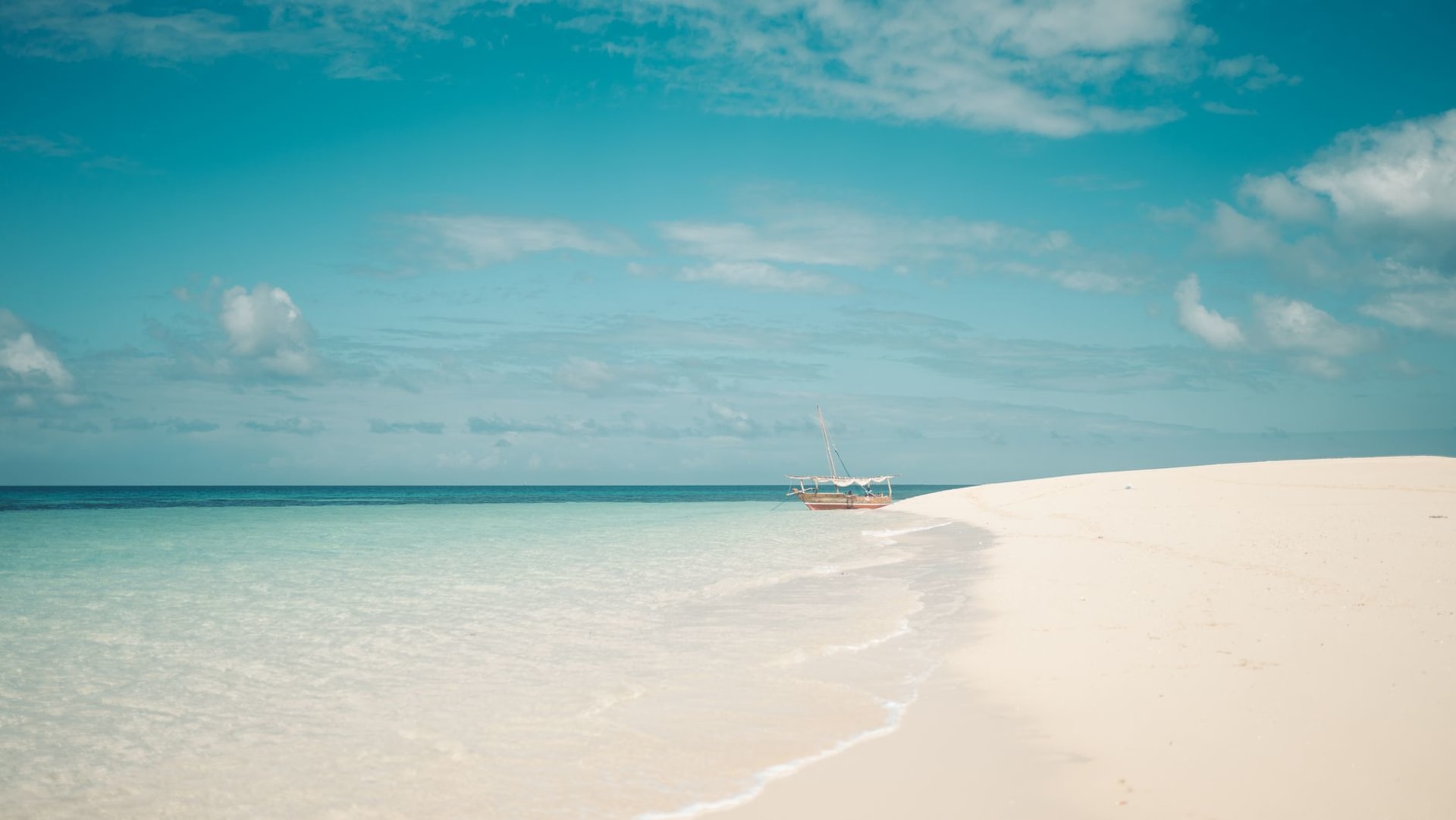
Wimbe Beach, a few kilometers from the center along a road that hugs the bay, is where Pemba shows its most relaxed face. The beach is long and clean and the water in the bay is calmer than the open ocean, appropriate for swimming without the reef drama of the archipelago. The bars and restaurants that line the upper beach have the settled feeling of places that have been there long enough to stop trying — plastic furniture, cold beer, fish grilled over charcoal, the same view every afternoon. I sat there for three hours on my last evening, watching the dhow traffic move across the bay as the light went gold and then disappeared, and felt something I usually only feel at the end of trips I didn’t fully understand while I was on them.
When to go: May through October for the dry season and manageable heat. Pemba is the staging point for Quirimbas connections, and the dhow crossings are most reliable in these months. July and August are the busiest but never overwhelming. Avoid the November through April window when cyclone risk and rough seas affect both the city’s comfort and onward island access.