Inhambane
"The dhow crosses this bay in twenty minutes. People have been making this crossing for a thousand years. You feel both at once."
The dhow ferry from Maxixe to Inhambane takes twenty minutes, crossing a bay that is wide and shallow and brilliant in the morning light. I sat in the bow with my bag between my feet and watched the town resolve out of the haze — the white facade of the cathedral first, then the mango trees that line the main avenue, then the low waterfront and the smell of salt and woodsmoke arriving on the same breeze. It is a crossing people have been making for a thousand years, dhow by dhow, and the boat I was on was not very different from the ones that have always done it. Something about that continuity reaches you. I got off on the other side already in a different state of mind than when I’d boarded.
Inhambane is the oldest Portuguese colonial settlement on the East African coast, established in the mid-16th century on a site where Arab traders had been stopping for two hundred years before that. The old town preserves traces of these layers: the Cathedral of Our Lady of Conception from 1750 stands at the end of an avenue of mango trees that have been there longer than any living person can remember, its white walls slightly tilted toward the bay in the way of buildings that have stood through too many cyclone seasons. Around the corner there is a mosque, and around the corner from that a small Hindu temple from the Indian trader families who came in the 20th century. Inhambane has been absorbing new arrivals for so long that it has developed a particular talent for it.

The food in Inhambane is where the town’s layered history becomes edible. Matapa — cassava leaves pounded and cooked in coconut milk and peanut sauce — is the dish I ordered every time it was available, and it varied significantly from kitchen to kitchen in ways that reflected what each cook thought of as essential. The version at a small family restaurant near the market was thicker, more peanut-forward, served with rice and a piece of grilled fish that had been in the ocean that morning. Coconut is everywhere: in the curries, in the bread, in the fresh drink sold from a hole in the fruit itself by a vendor near the cathedral. Inhambane sits in one of Mozambique’s main cashew-growing regions, and the nuts appear roasted and fresh on every table, always better than anything that has traveled far to get there.

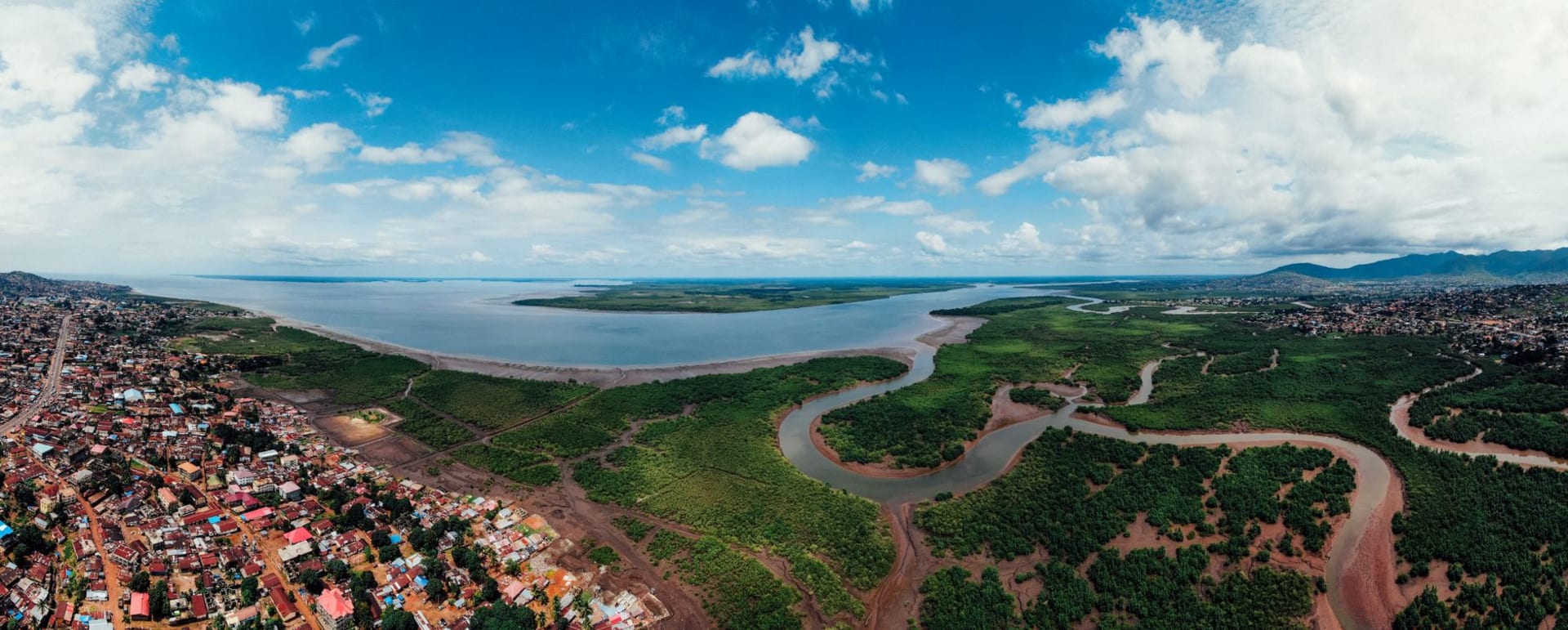
The bay at low tide reveals a landscape that seems borrowed from somewhere else — the mangroves open onto vast mudflats that support an extraordinary bird life, flamingos picking through the shallows in the early morning, kingfishers stationed on every available post. The dhow-building tradition still operates in yards visible from the waterfront, men shaping planks with hand tools and caulking seams with fiber and tar in the same basic sequence used for centuries. I spent a morning watching a new hull take shape and thought about the particular knowledge held in a person who can look at a plank of timber and know exactly how it needs to be bent.
When to go: April through November. The town is pleasant in the dry season and serves as an excellent base for reaching Tofo beach twenty kilometers north. The December through March rainy season brings rough seas to the bay crossing from Maxixe and makes the roads to Tofo muddy and sometimes impassable.