
Montserrat Volcano Observatory
"I have never stood somewhere that made the word 'temporary' feel so honest about everything we build."
The Montserrat Volcano Observatory sits up at Flemmings, on the western side of the island, and it exists for one reason: to keep an unblinking eye on the Soufrière Hills volcano that erupted in 1995 and buried the capital, Plymouth, under ash and mud. I’d seen photographs of the dead city before I came, but nothing quite prepares you for visiting the institution whose entire job is to predict when a mountain might try it again. Lia and I drove up the morning after we arrived, partly out of curiosity and partly because everyone on Montserrat, when you ask what to do, eventually tells you to go see the MVO.
The building itself is unglamorous — low, functional, the kind of structure that prioritizes seismographs over aesthetics. But the terrace outside has one of the most extraordinary views I’ve encountered anywhere: a clear sightline across the exclusion zone to the volcano, with the buried roofs of Plymouth just visible below the grey scar where the pyroclastic flows came down.
Watching the mountain
Inside, there’s a small interpretive room with screens showing live seismic data — squiggling lines that, when you understand what they mean, are genuinely tense to look at. A scientist gave a short talk to the handful of us who’d turned up, and he was refreshingly unsentimental about the whole thing. The volcano is currently quiet, he said, but quiet is not the same as finished. They monitor gas emissions, ground deformation, every tremor. He spoke about the 1997 eruption that killed nineteen people who’d gone back into the zone, and you could feel the room go still.
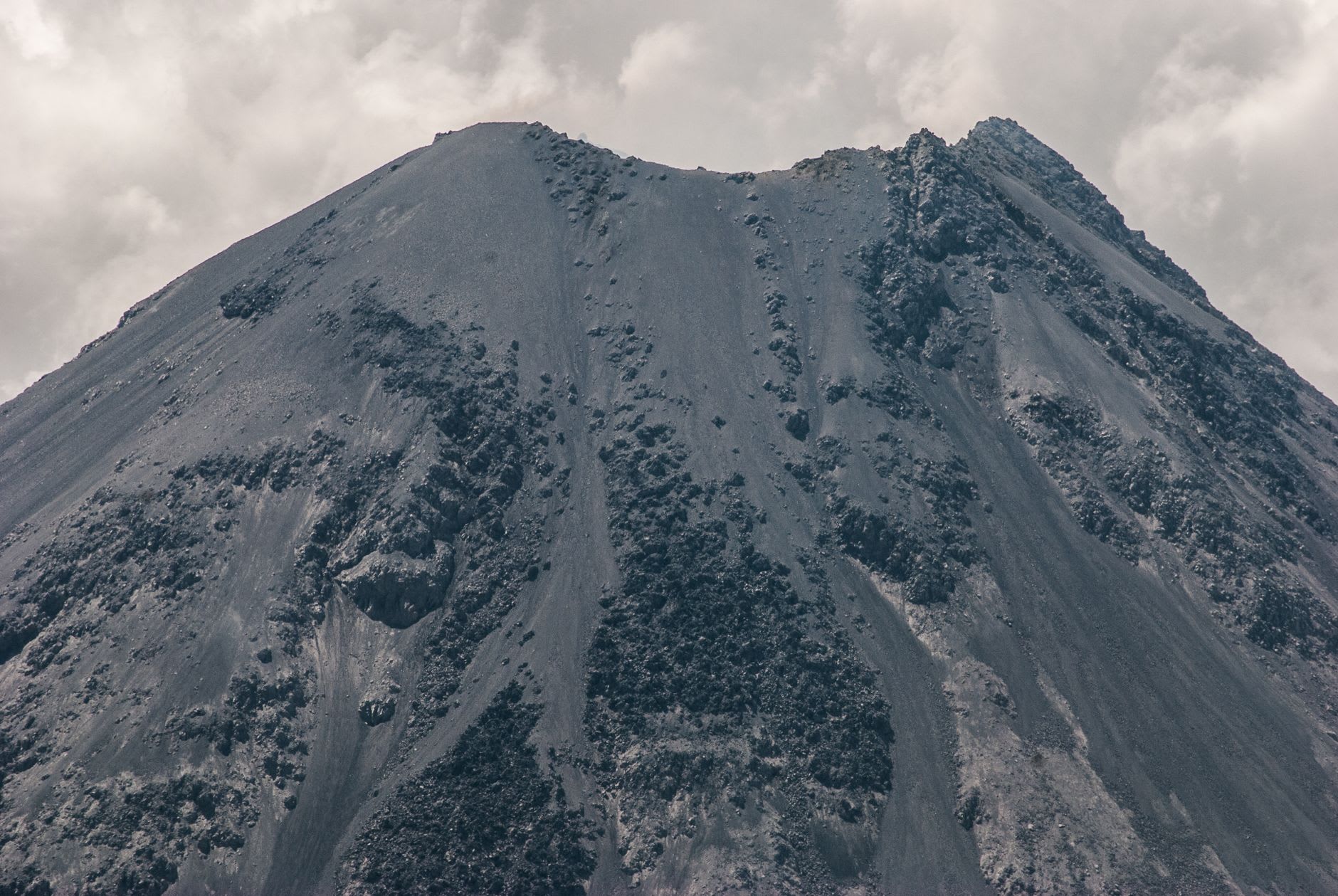
What I appreciated was the honesty of the place. There’s no theme-park gloss, no gift-shop trivialization of a disaster that erased a town. Just instruments, data, and a few people whose calm is the kind that comes from staring at something dangerous every single day. I bought a coffee from the little counter and sat on the terrace far longer than the exhibit warranted, watching faint steam rise off the dome.
The view down to a buried city
From the observatory you can see Plymouth — or what’s left of it — through the binoculars they keep on the terrace. Church spires poking out of solidified mudflow. A clock tower. Rooftops at the level the streets used to be. It’s the Caribbean’s own Pompeii, except it happened in my lifetime, and the people who lost their homes are still alive, many of them living in the north of the island, looking south at the ruins on clear days.
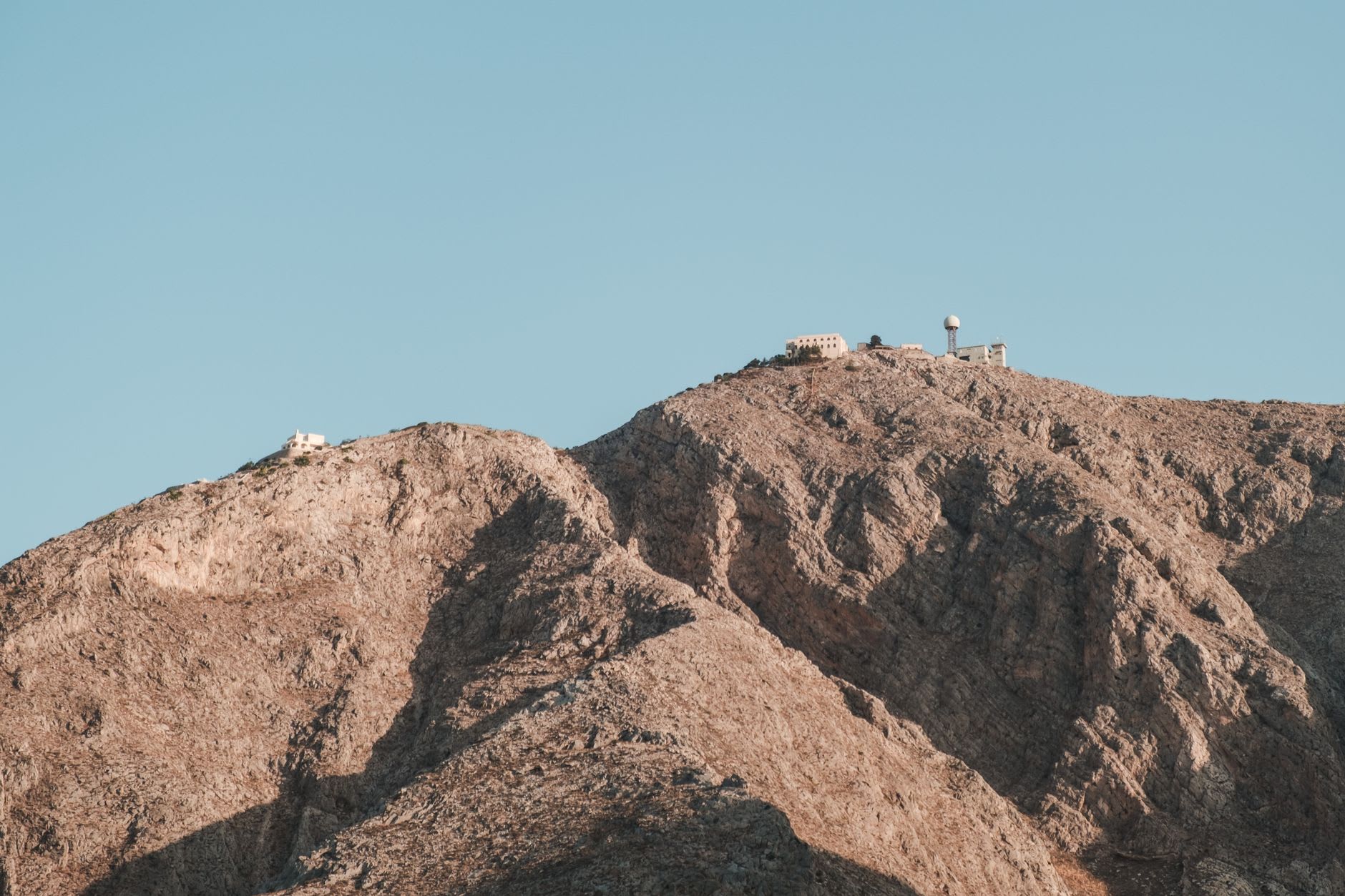
Lia said something on the drive back down that stuck with me: that most disaster sites become memorials, frozen and reverent, but this one is still being watched because it isn’t over. The observatory isn’t commemorating a past event. It’s on duty.
When to go: The observatory is open to visitors on set days — typically a few mornings a week, so check the current schedule before driving up, as it changes. Clear mornings give the best views of the dome and down to Plymouth; by afternoon, cloud often wraps the summit. Pair it with the Garibaldi Hill viewpoint nearby for a second angle on the exclusion zone.