Big Hole National Battlefield
"Some places don't ask you to feel something. They just wait for you to be quiet enough to notice."
A quiet valley in southwestern Montana where grass and wind now cover the ground of one of the Nez Perce War's deadliest mornings.
We got to Big Hole National Battlefield a little after nine in the morning, and I remember being struck by how ordinary the valley looked — willows along a creek, elk grass bending in the wind, the kind of scene you’d drive past without a second glance if you didn’t know what happened there. Lia had read the park brochure out loud in the truck on the way from Wisdom, and by the time we parked, neither of us was in the mood to talk much. In August 1877, Colonel John Gibbon’s soldiers crossed this same creek before dawn and opened fire on a Nez Perce camp that was still asleep. Men, women, and children died in the first minutes. The Nez Perce, stunned but far from beaten, regrouped in the willows and pushed the Army back within hours, pinning Gibbon’s men down in a siege that lasted through the next day.
We started at the Nez Perce Camp site, where a boardwalk loops through the exact ground where the tipis stood. There’s nothing dramatic to see — no ruins, no monument towering over you — just tipi frames sketched into the earth and a stillness that felt heavier the longer we stood there. I found myself lowering my voice without meaning to.
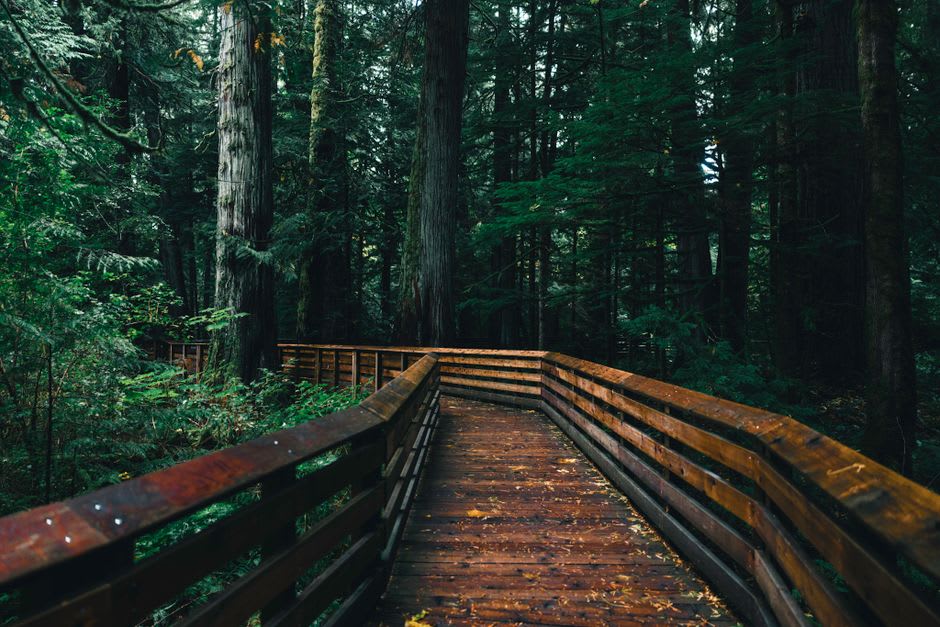
From there we hiked up to the Siege Area, where Gibbon’s men dug in after being driven back, and to the Howitzer Capture Site, where Nez Perce warriors seized and disabled the Army’s mountain howitzer. The trail climbs just enough to give you a view back down over the whole valley, and it was up there that the scale of it finally landed for me — how close together everything happened, how a single morning here reshaped the fate of hundreds of people fleeing toward a border they never reached. The visitor center, small and unhurried, does something I appreciated: it tells the story from both the Army’s records and Nez Perce oral history, side by side, without smoothing over where they conflict.
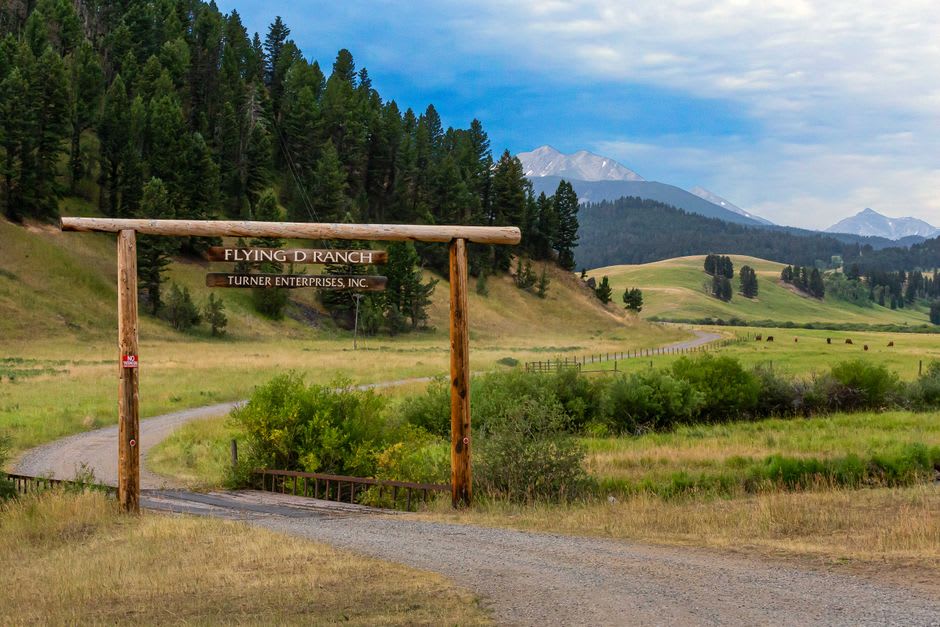
We ate lunch afterward on the tailgate, not saying much, watching a hawk work the thermals above the ridge. Lia said it was one of the only historical sites she’d been to where the landscape itself seemed to be part of the memorial, and I think that’s exactly right — nobody needed to build anything grand here, because the valley remembers on its own.
When to go: Aim for June through September, when the Big Hole valley has shed its snow and the visitor center is running with full staff — outside that window, the road in can be rough and the exhibits pared down.
Keep exploring
More from Montana
 montana
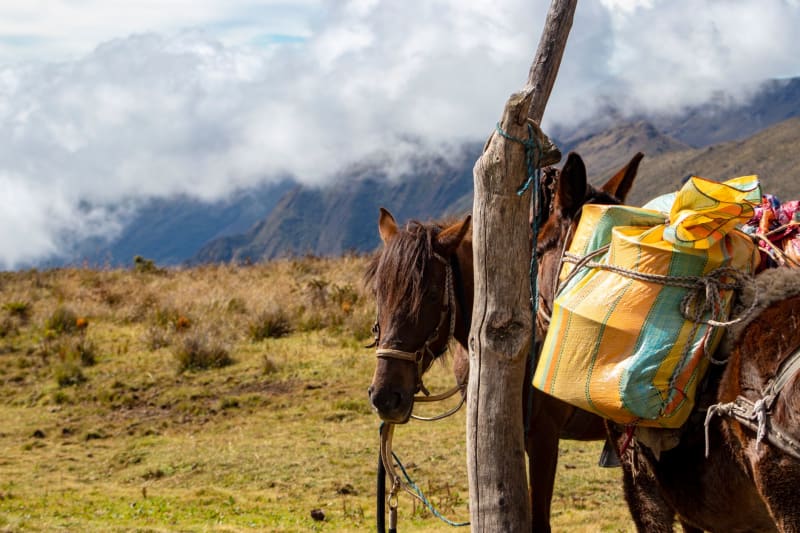
 Bob Marshall Wilderness
Over a million acres with no roads at all — the largest roadless wilderness in the contiguous United States, where you go in on horseback or on foot.
Explore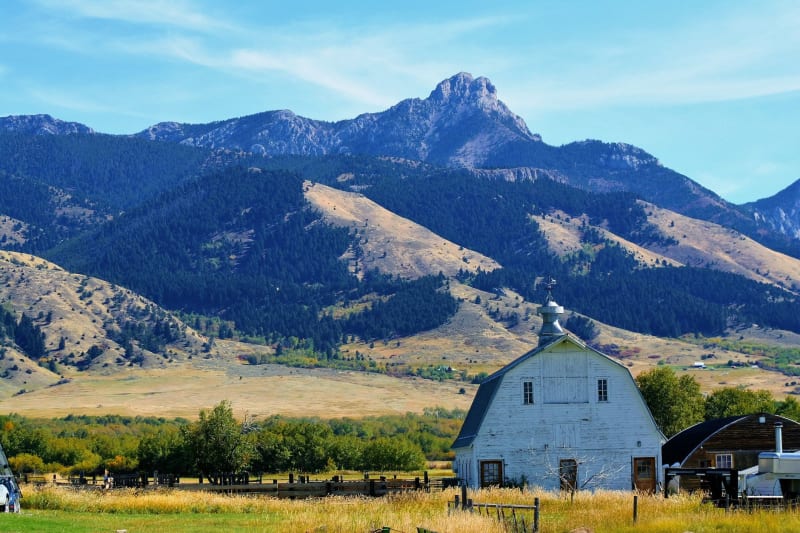 montana
 Bozeman
A mountain town growing fast enough to alarm its longtime residents but still with the Gallatin River running cold and clear through its canyon.
Explore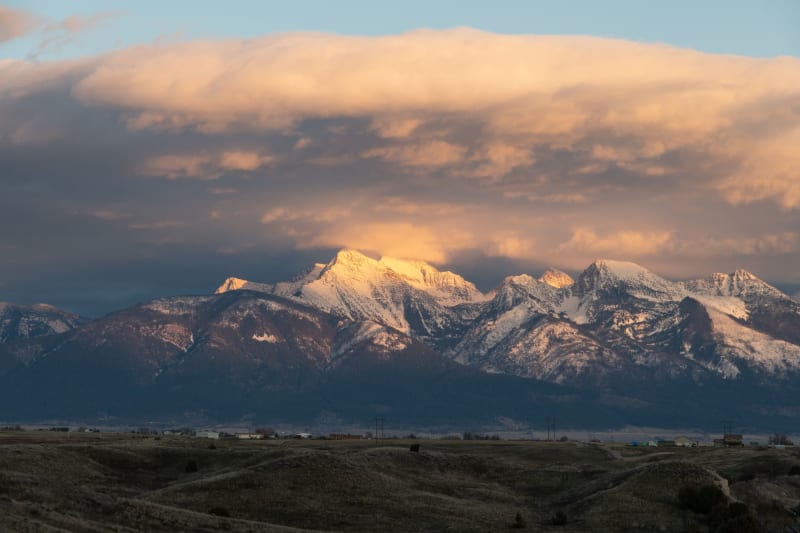 montana
 Browning
The heart of Blackfeet Nation on the high plains east of Glacier, where the history most tourists miss begins to come into focus.
Explore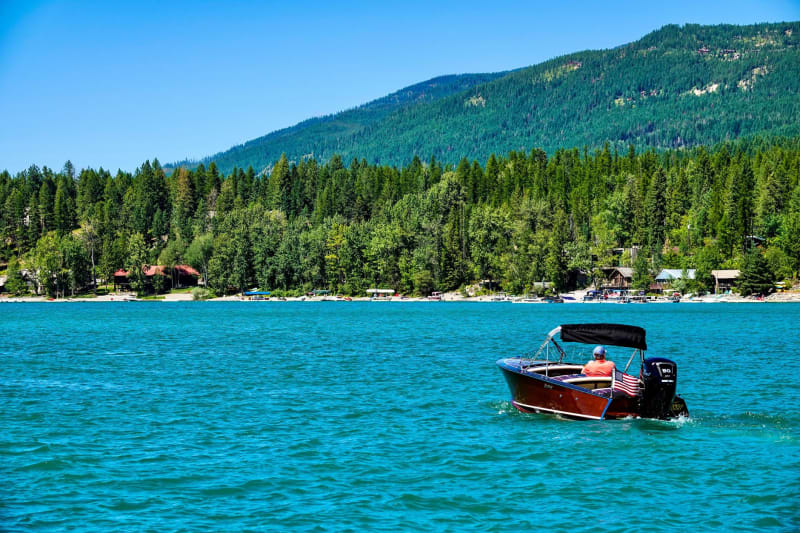 montana
 Flathead Lake
The largest natural freshwater lake west of the Mississippi, cold and clear enough to read the bottom at thirty feet, ringed by cherry orchards and mountains.
Explore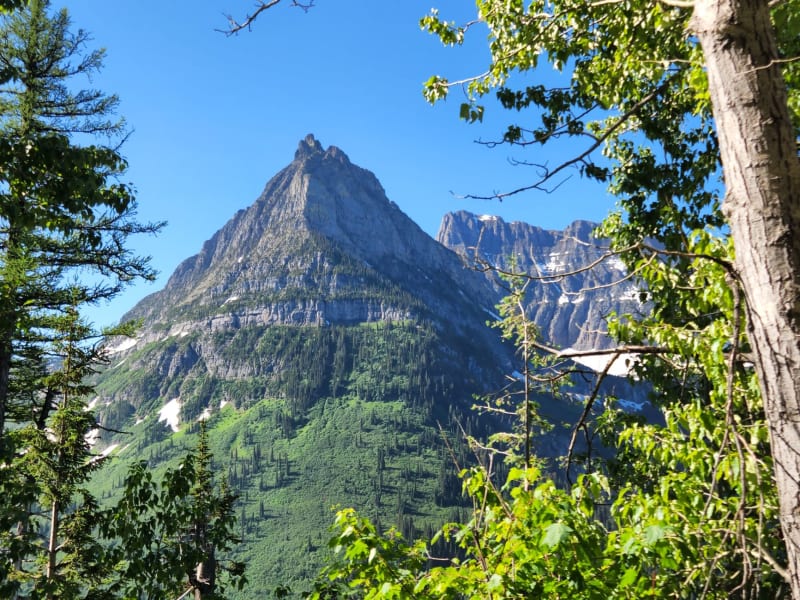 montana
 Glacier National Park
Where the ice still clings to the rock and the road itself is an act of mountain engineering that makes you grip the wheel tighter.
Explore montana
 Helena
A gold rush capital that became a state capital and never fully made up its mind between the two identities — and is more interesting for it.
Explore