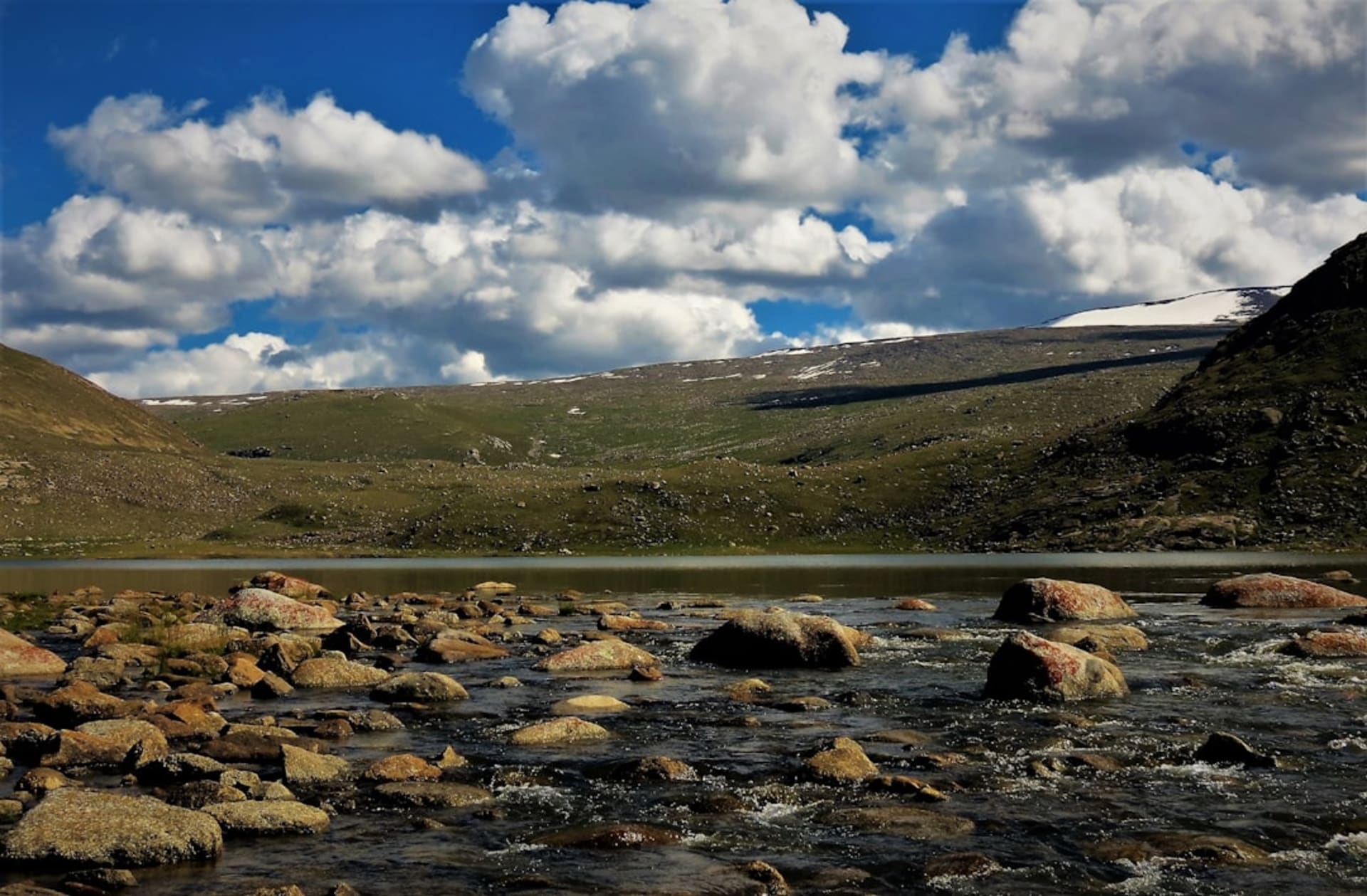
Tsenkher Hot Springs
"I got into the water at minus fifteen outside and stayed for two hours. The cold never once felt like a threat again."
Mineral water at fifty-something degrees rising out of the Arkhangai steppe, with nothing around it but grass, horses, and a sky that turns violent colors at dusk.
I found out about Tsenkher the way I find out about most things in Mongolia, which is that someone in a ger camp two hundred kilometres away mentioned it while pouring me a third bowl of suutei tsai and said, in the tone of someone passing on a mild secret, that there was hot water coming out of the ground near Tsetserleg and I should go before winter made the roads impossible. I went in early October, when the grass had already turned the color of old rope and the mornings required gloves.
The spring itself sits in a shallow valley in Arkhangai province, roughly ninety kilometres from Tsetserleg on a dirt road that crosses two rivers without bridges — my driver simply aimed the van at the shallowest-looking point and accelerated, which appears to be the regional technique. The water comes up at somewhere between forty and eighty-five degrees Celsius depending on which source you ask and which pool you’re standing in, channeled into a handful of concrete and wood-sided pools at a resort that is modest by any international standard and entirely sufficient by the standard that matters, which is: hot water, cold air, empty steppe in every direction.
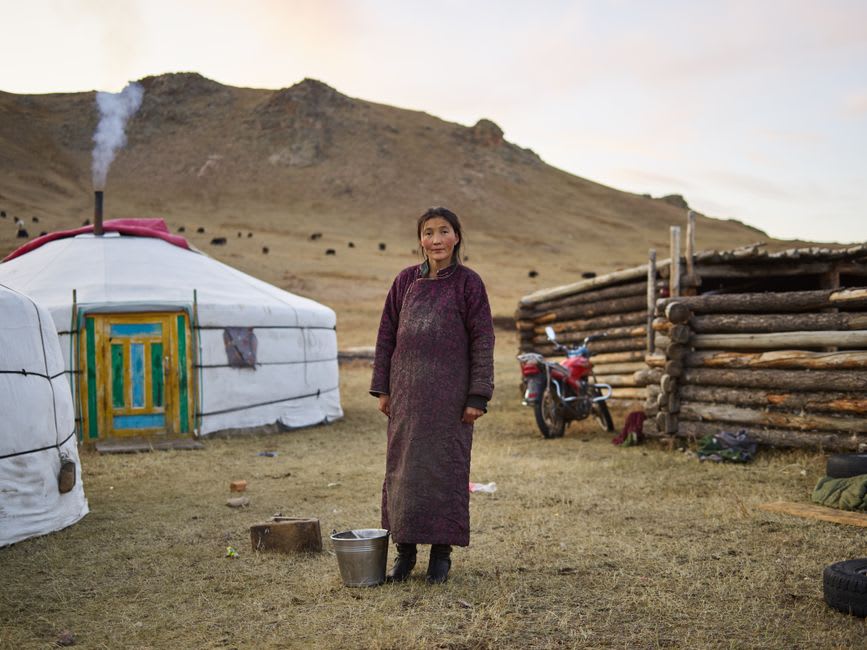
I got in around six in the evening, when the temperature outside had already dropped into single digits, and the sensation of stepping from cold dry air into water hot enough to make your skin prickle is one I’d recommend to anyone who thinks they’ve experienced every version of comfort travel can offer. Steam came off the surface in thick ropes, catching the last orange light before dusk fully committed to blue. A Mongolian family shared my pool — a grandmother, unbothered by the temperature, instructing her grandson on proper submersion technique with the patience of someone who has had this exact conversation every autumn for forty years.
The minerals in the water are supposedly good for joints and skin, and the local reputation of the spring as medicinal predates any tourism infrastructure by centuries — herders have been soaking sore backs here since long before anyone built a wooden fence around the pools. I can’t speak to the medical literature, but I slept that night with a depth I hadn’t managed anywhere else in Mongolia, the kind of sleep that comes from having your whole body slowly unclench for two straight hours.
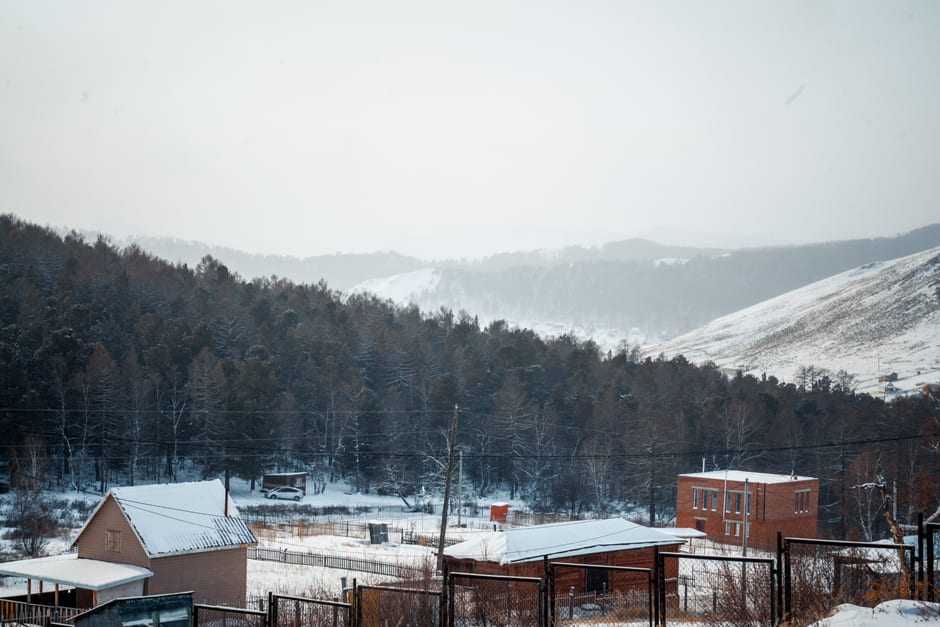
What stays with me is less the water itself than the contrast it creates — the specific luxury of heat in a landscape that otherwise offers you none, the way the steppe around the springs doesn’t soften or apologize for the cold, it just sits there being enormous and indifferent while you float in something that feels, briefly, like it was made for you. It wasn’t. Nothing here was made for anyone. That’s rather the point.
When to go: September and October give you the cold-air, hot-water contrast at its sharpest, plus golden steppe grass. Summer is milder and greener but less dramatic. Winter access is possible with a serious 4x4 and serious planning — the reward is a hot spring in a frozen world, which is its own kind of argument.