Tsagaan Suvarga
"It looks like a ruined city from a distance. Up close, it's older than any city could ever be."
A sixty-meter wall of eroded cliffs in the middle Gobi that turns the color of a struck match at sunset, with not another structure in sight for miles.
The name translates to White Stupa, though the color that dominates Tsagaan Suvarga at any time other than midday is anything but white — the cliffs run through cream and ochre and, for the twenty minutes bracketing sunset, a deep rust-orange that makes the whole formation look momentarily lit from within. It’s a natural cliff face, not a religious structure, but the name makes sense the moment you see the silhouette from a distance: a long ridge of eroded rock punctuated by spires and buttresses that do genuinely resemble a row of ruined stupas or temple towers, an illusion good enough that early travelers apparently mistook it for the remains of an actual city.
The formation sits in Dundgovi province, in the flat, featureless middle Gobi, which makes its sudden appearance on the horizon after hours of driving through nothing more dramatic than gravel steppe genuinely startling. My driver, who had made this run dozens of times, still slowed the van unprompted as we crested the last rise and the cliffs came into view, a two-kilometer wall of sediment laid down over millions of years and carved by wind into a landscape that looks less like erosion and more like architecture.
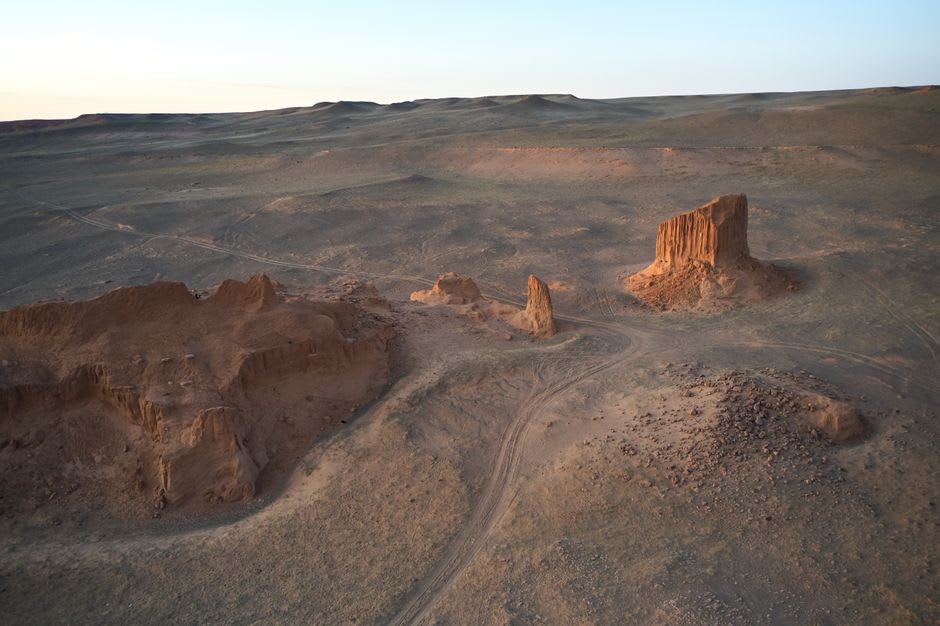
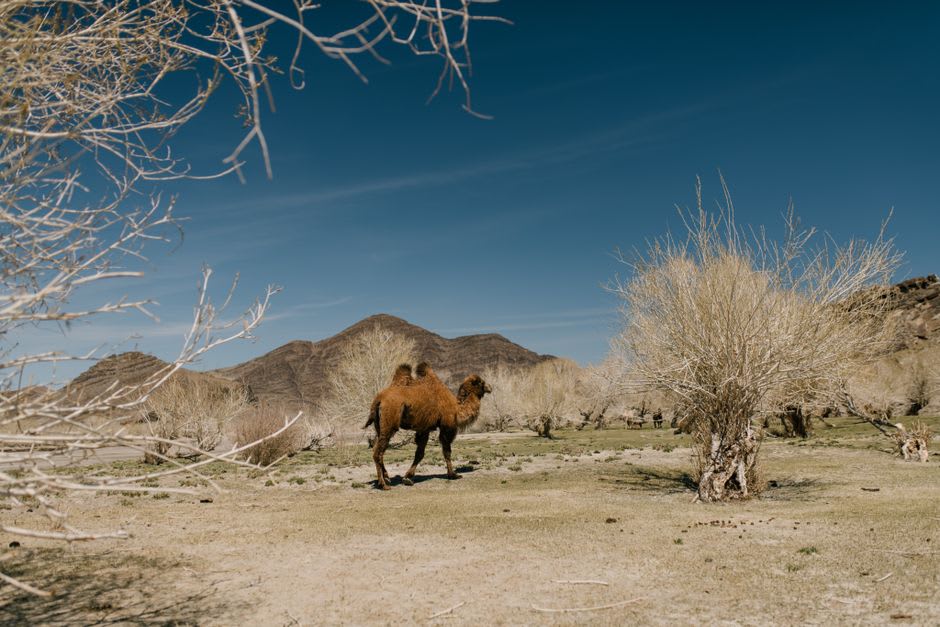
I walked the ridge above the formation for an hour before sunset, staying well back from the crumbling edge — the cliffs are actively eroding, and the ground near the rim has a tendency to be less solid than it looks — and watched a small herd of Bactrian camels graze along the base far below, their double humps and shaggy summer coats making them look almost prehistoric against the bare rock. There’s a specific quality to Gobi light in the final hour before sunset, a kind of saturation that doesn’t occur elsewhere, and Tsagaan Suvarga’s layered sediment seems built to catch it: bands of rock that were merely tan at three in the afternoon turned, by seven, into stripes of amber, rust, and a deep red that looked less like geology and more like a controlled burn.
The nearest ger camp is small and simple, run by a family who moved their herds through this exact stretch of desert every year and set up seasonal accommodation for the handful of travelers who make the detour off the main Gobi routes. Dinner was mutton and rice, eaten as the last light drained out of the cliffs outside the ger door, and the family’s youngest son, maybe eight, spent the meal drawing camels in the dirt floor with a stick, unbothered by an audience.
There’s no entrance fee, no visitor center, no fence between you and the crumbling edge of a formation that took millions of years to look like this. It’s just there, in the middle of a very large, very empty province, waiting for whoever happens to be driving through at the right hour.
When to go: Any time between May and October for road access; arrive in the two hours before sunset for the color the cliffs are famous for. Spring and autumn bring cooler daytime temperatures for the walk along the ridge.
Keep exploring
More from Mongolia
 mongolia
 Tsenkher Hot Springs
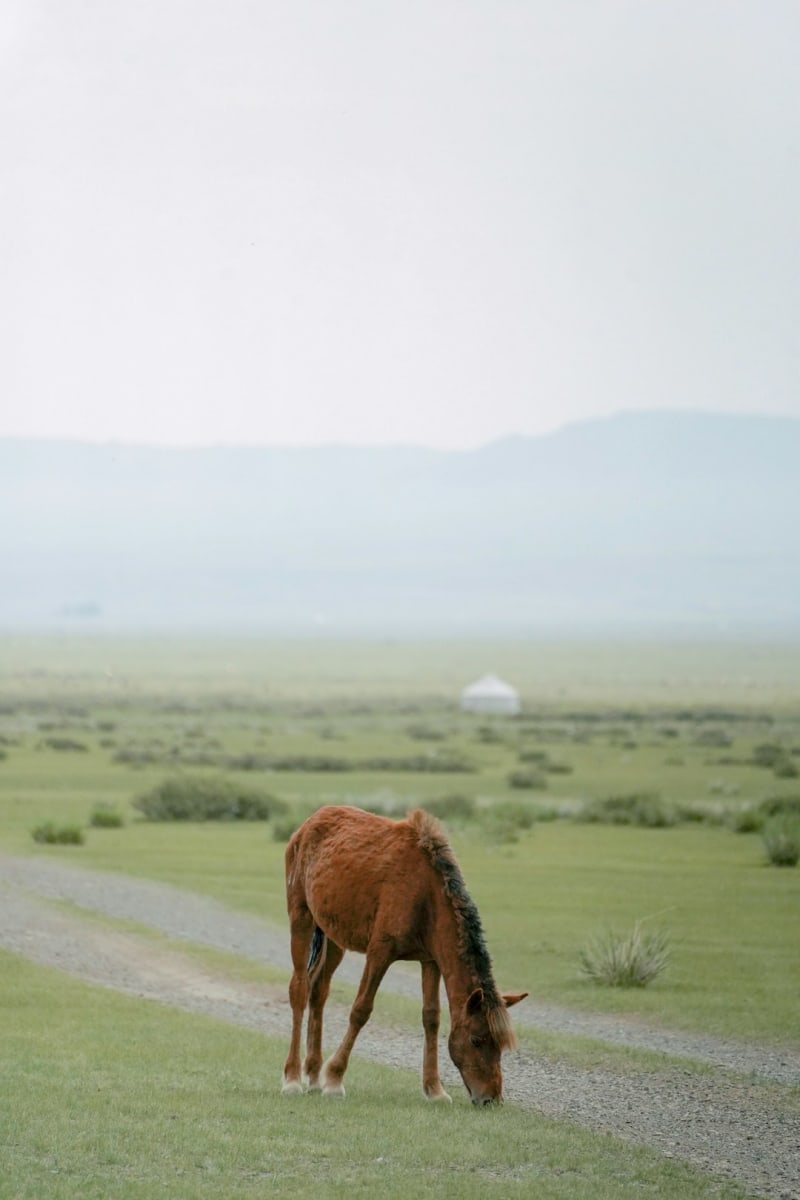
Mineral water at fifty-something degrees rising out of the Arkhangai steppe, with nothing around it but grass, horses, and a sky that turns violent colors at dusk.
Explore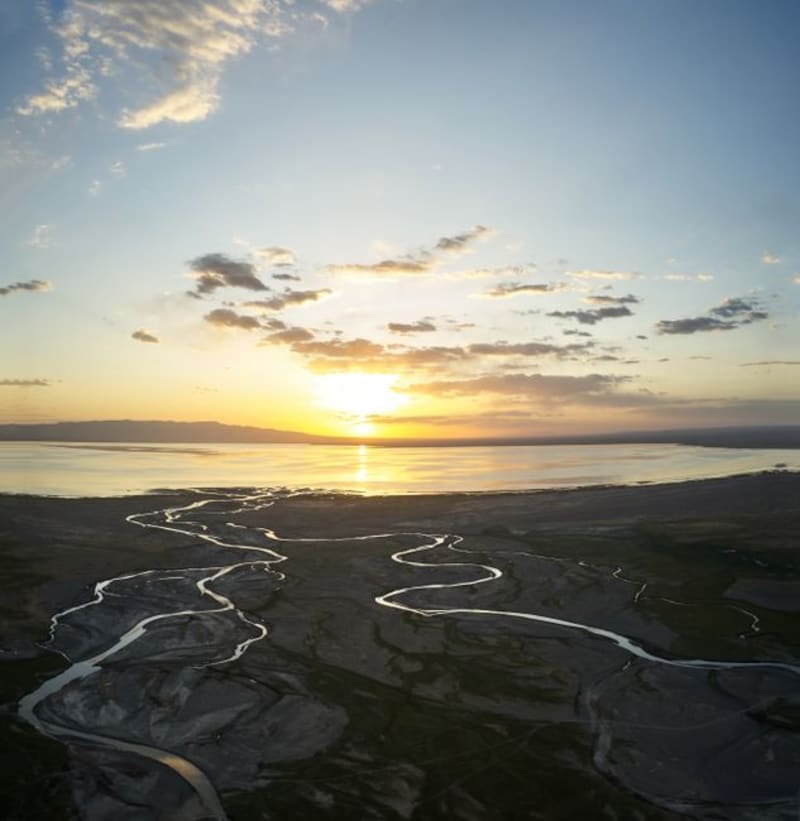 mongolia
 Ugii Lake
A freshwater lake on the steppe between Karakorum and the Orkhon Valley, thick with waterbirds and quiet enough that a single ger camp feels like plenty.
Explore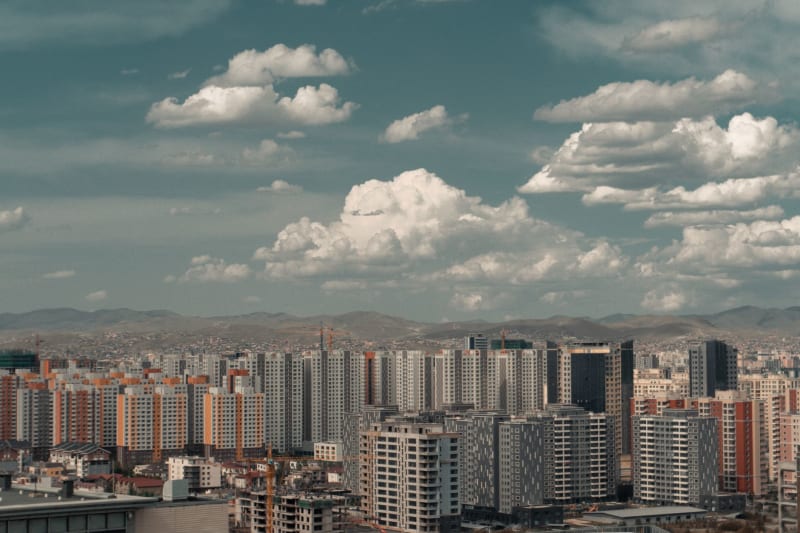 mongolia
 Ulaanbaatar
A Soviet-built capital holding its contradictions together with surprising grace — part rusted bloc, part curious new world.
Explore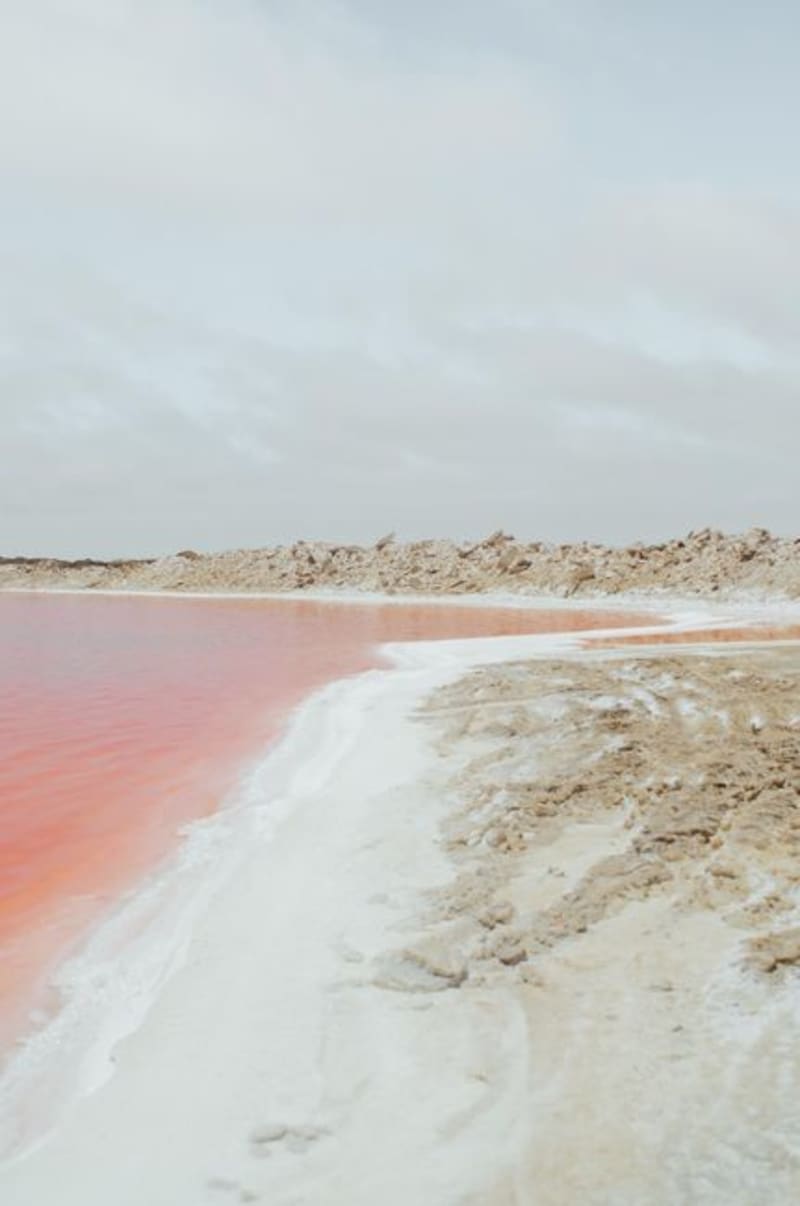 mongolia
 Uvs Nuur Basin
Mongolia's largest lake, salty and shallow and ringed by a UNESCO-listed basin that stacks desert, steppe, and snowy peaks into one improbable panorama.
Explore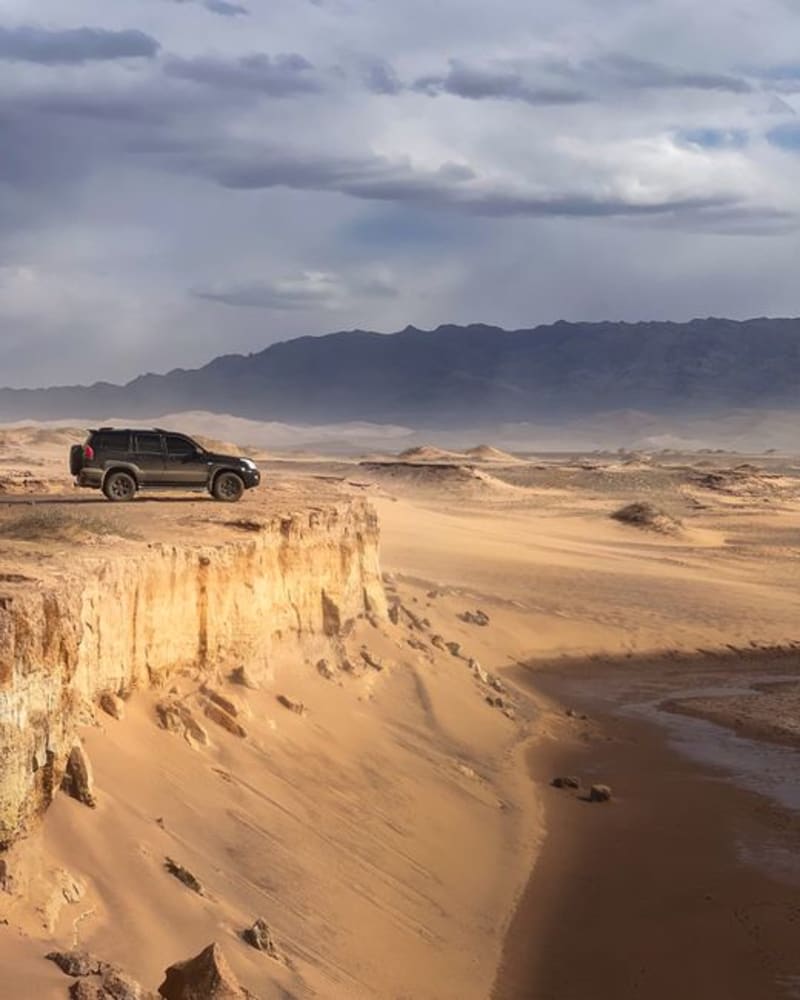 mongolia
 Yolyn Am (Eagle Valley)
A narrow limestone gorge in the middle of the Gobi where ice survives into summer and lammergeiers ride the thermals overhead like they own the place.
Explore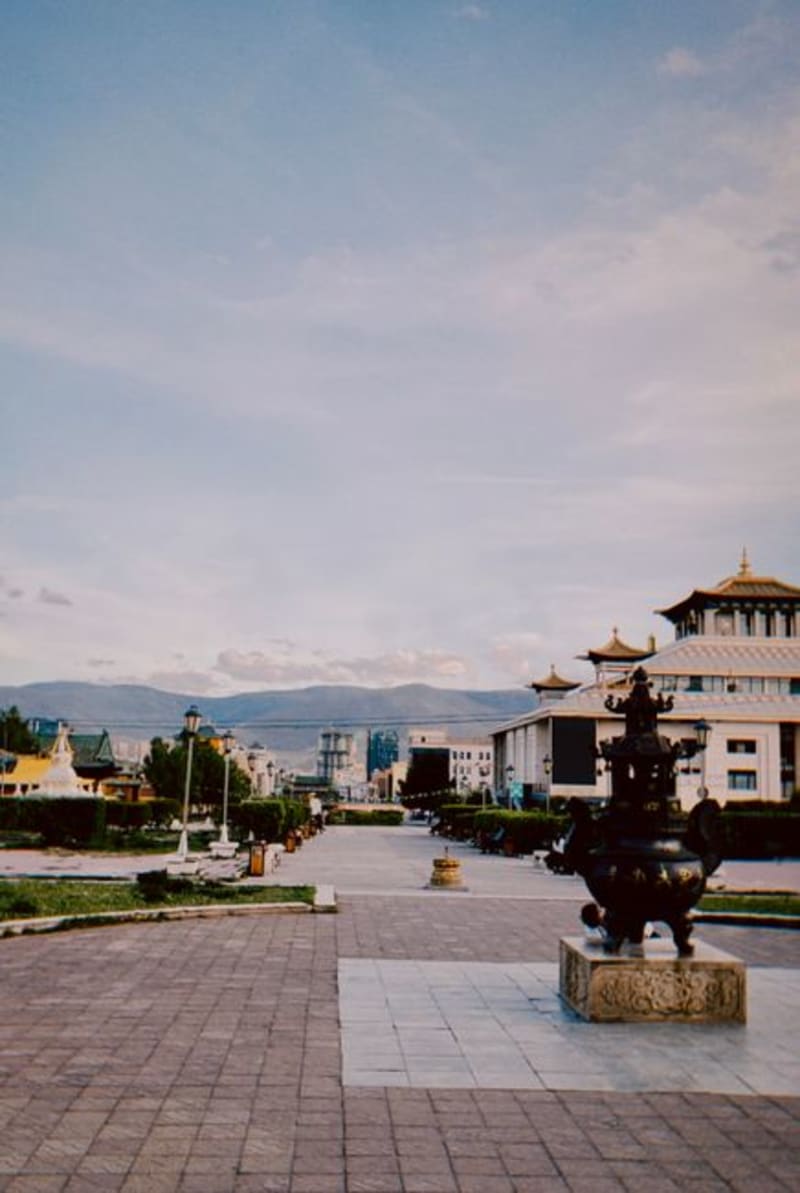 mongolia
 Amarbayasgalant Monastery
One of Mongolia's three great monasteries, tucked into a forested valley in Selenge province and left largely intact when so much of the country's Buddhist heritage was destroyed.
Explore