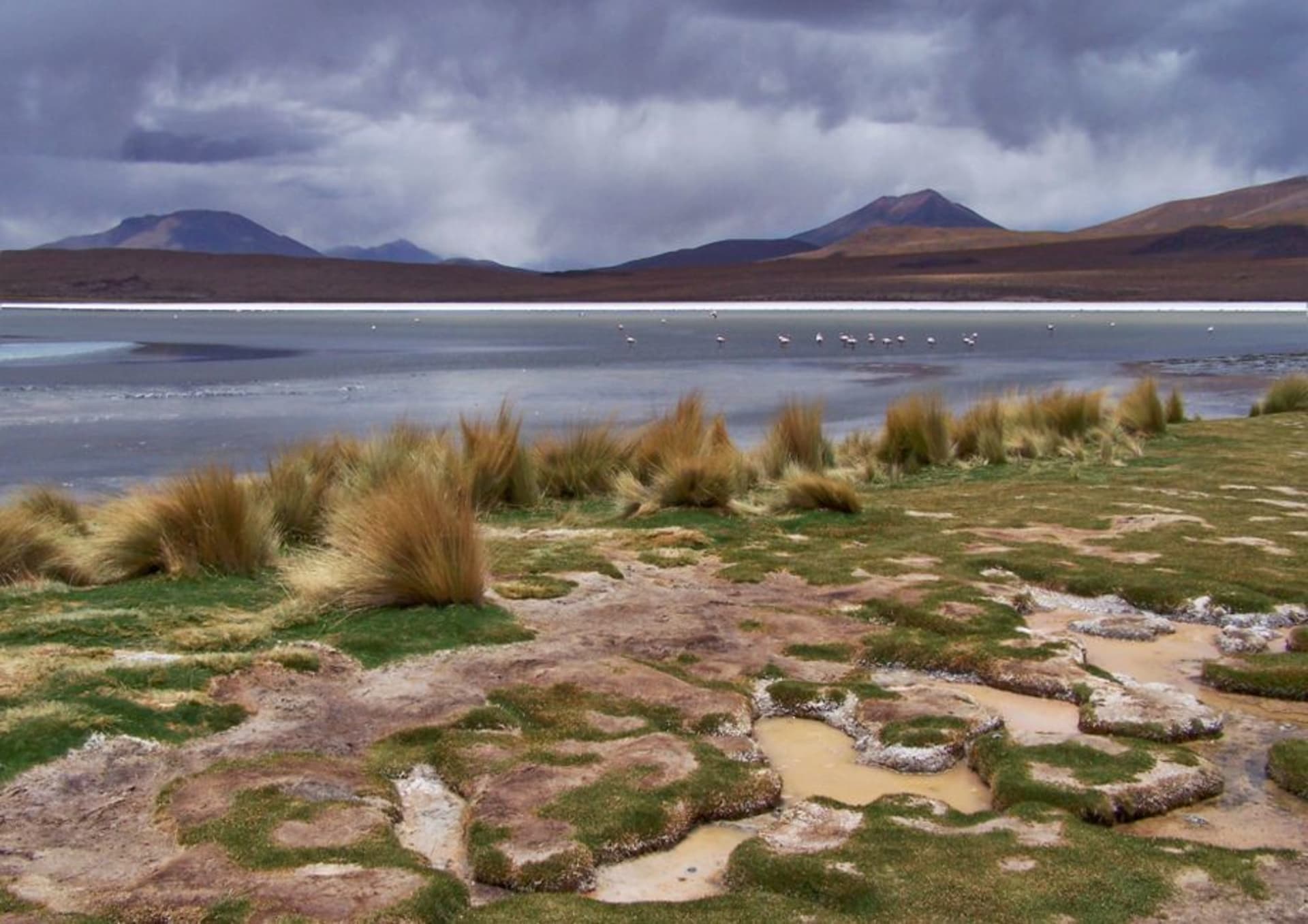
Telmen Lake
"I asked my guide when the last foreign visitor had come through. He thought about it for a while and then said, honestly, he wasn't sure there'd ever been one."
A remote alpine lake in Zavkhan province that almost no foreign traveler ever reaches, ringed by steppe and mountain in a silence that feels almost engineered.
Zavkhan is one of the least-visited provinces in a country that is, as a whole, not exactly overrun with tourists, and Telmen Lake sits near its geographic heart, a body of water fed by rivers draining out of the Khangai range, large enough to feel significant on a map and remote enough that reaching it requires several full days of driving from anywhere resembling a standard Mongolia itinerary. I went because a Mongolian geologist I’d met in Ulaanbaatar, working on a groundwater survey, mentioned it had one of the most beautiful and least-documented shorelines he’d worked near in years of fieldwork across the country, and the phrase “least documented” is, for better or worse, exactly the kind of thing that gets me on a plane.
The approach itself becomes part of the experience — the drive from the provincial capital, Uliastai, crosses long stretches of open steppe interrupted by low mountain passes, herds of horses and the occasional distant ger the only signs of human presence for hours at a stretch, until the lake appears without much warning, a wide sheet of pale blue-grey water set against grassy hills and, on clear days, the snow-streaked outline of more distant peaks. My guide, a local driver named Chuluun who’d grown up in a herding family within a day’s ride of the lake, told me he’d worked with maybe a handful of foreign travelers in his entire career, most of them researchers rather than tourists.
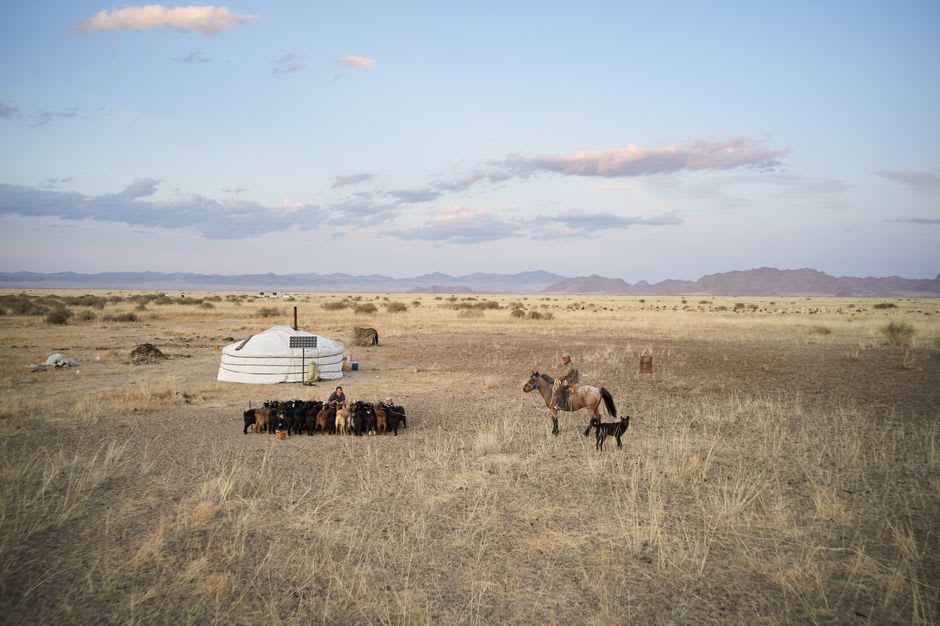
We camped two nights on the eastern shore with a family who kept a small herd of horses and yaks nearby, and the days settled into a rhythm that felt less like sightseeing and more like simply being folded into the rhythm of the place — helping herd horses to water in the morning, walking the shoreline in the heat of the afternoon, sitting outside the family’s ger in the evening while the patriarch, a man probably in his seventies who’d spent his entire life within visual range of this lake, told long stories through Chuluun’s translation about winters and droughts and the specific years each remembered event had happened, a form of oral record-keeping that had nothing to do with calendars and everything to do with which animals had lived or died in a given season.
The lake itself supports a modest population of waterfowl and, according to the family, occasional visits from wolves working the shoreline in winter when prey is scarcer elsewhere, though I saw none during my summer visit — just horses, a handful of gulls, and water still enough in the early morning to hold a nearly perfect reflection of the hills opposite.
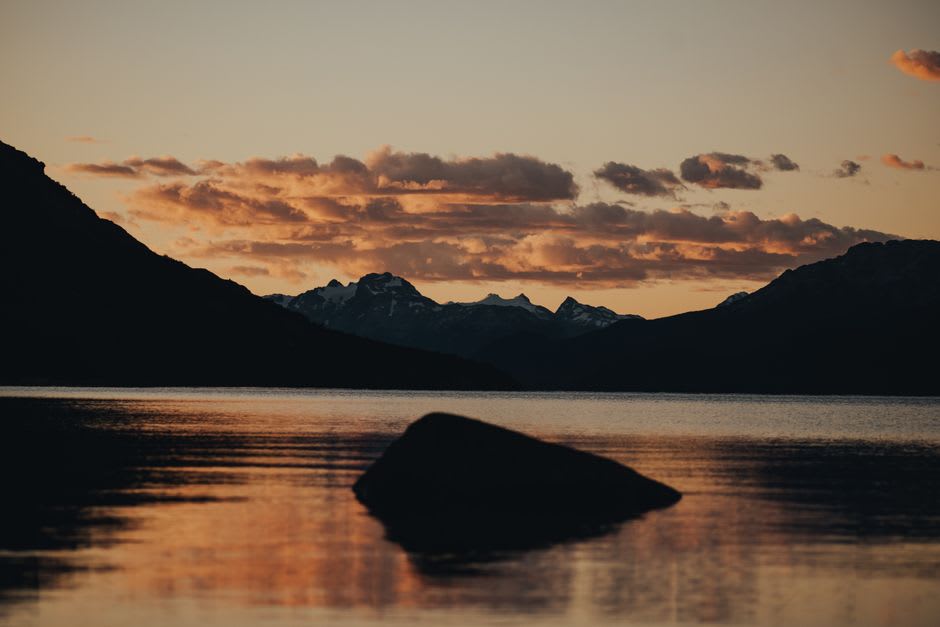
Telmen isn’t a place you visit for a single sight — there’s no monastery, no canyon, no dinosaur bone. It’s a place you visit to feel, briefly and completely, how large and how quiet this country can still be.
When to go: July and August, when the multi-day drive from Uliastai is most reliable and the high steppe around the lake is at its greenest. This is not a trip to attempt without an experienced local driver.