Sükhbaatar
"For the first time in weeks I saw a hayfield, a proper river confluence, and rain clouds that actually delivered rain. Mongolia has more than one climate, and this town proved it."
A green river town on the Russian border where the Selenge and Orkhon rivers meet, and the landscape finally looks like something other than steppe.
Sükhbaatar sits at the border crossing into Russia, at the confluence of the Selenge and Orkhon rivers, and after weeks of dry steppe and desert further south, arriving here felt like crossing into an entirely different country before I’d even reached the actual border. The Selenge valley is green in a way that little else in Mongolia is — proper farmland, hay bales stacked in fields, cattle grazing on grass thick enough to disappear into, rain clouds that build over the hills and actually deliver rain rather than the theatrical, mostly-empty threats I’d gotten used to elsewhere.
The town itself is modest, a border and rail junction rather than a destination with its own gravity, but the setting does most of the work. I spent a morning walking the riverbank where the Selenge and Orkhon join, watching the two rivers’ slightly different colors of water — one carrying more sediment than the other — mix gradually rather than instantly, a visible seam in the current that took several hundred meters to fully blend. Fishermen worked the bank with hand lines, and a few families had set up simple picnics on the grass, an ordinary domestic scene that felt almost startling after so much unpeopled wilderness further south.
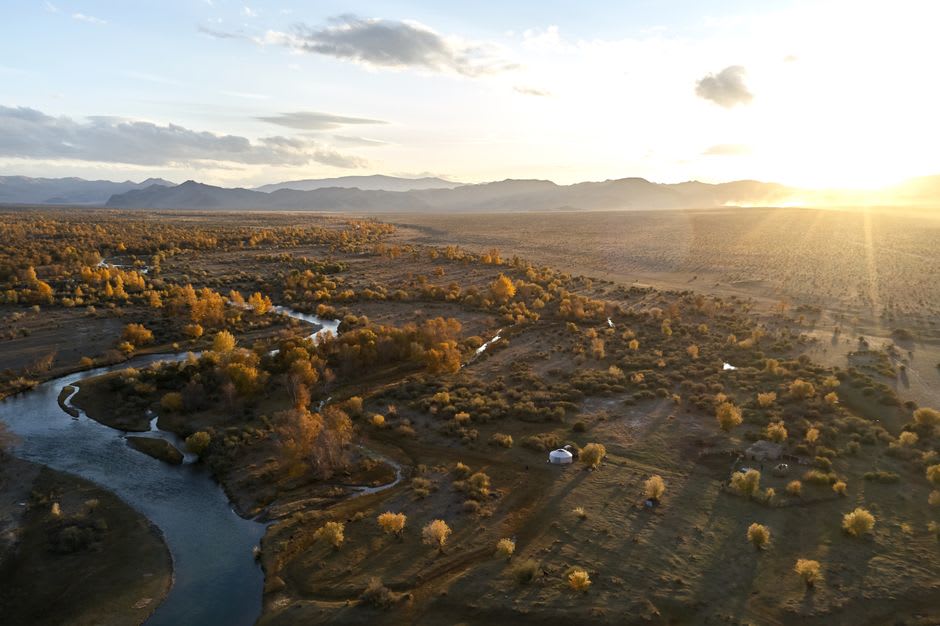
The Selenge is Mongolia’s largest river system by volume and eventually flows north into Russia’s Lake Baikal, and standing at the confluence gave me an odd sense of scale — water that started as glacial melt and rainfall somewhere in the Khangai mountains hundreds of kilometers south, gathered here into a single wide, brown-green current, and continued on toward one of the deepest and oldest lakes on the planet. My guesthouse host, a retired rail worker named Baterdene, told me over dinner that the border crossing town had a specific rhythm tied entirely to the trains — a Trans-Mongolian line runs directly through, and Sükhbaatar functions as the last stop for customs and border formalities before Russia, giving the town a transient population of travelers passing through that never quite settled into a tourist economy of its own.
I walked out to the edge of town in the evening, past the last row of houses into open farmland, and watched a genuine thunderstorm build over the hills to the north, lightning visible well before the rain arrived, a display I hadn’t properly experienced anywhere further south in the country’s drier regions. When the rain did come, it was soft and steady rather than the violent, brief downpours I associated with the steppe, another small marker of just how different this northern river valley’s climate runs from the rest of Mongolia.
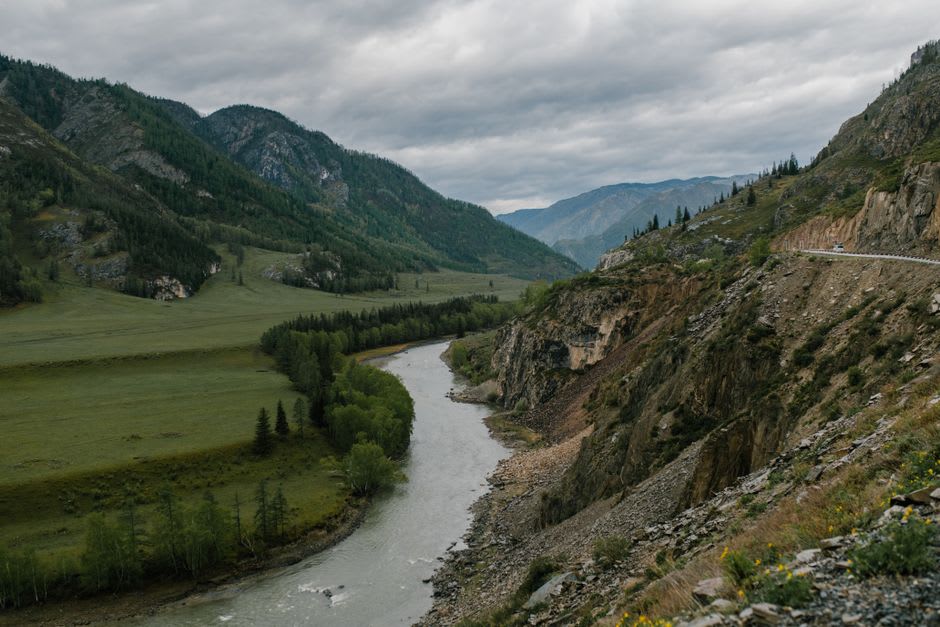
Sükhbaatar isn’t a destination most visitors plan a Mongolia trip around, but as a border town with real green farmland, a genuine river confluence, and a climate that finally admits to seasons the way most of the country doesn’t, it made an unexpectedly satisfying final stop before continuing north.
When to go: June through August for the greenest farmland and the best chance of the region’s characteristic summer thunderstorms. The town also works well as a stop for anyone continuing overland into Russia by rail.
Keep exploring
More from Mongolia
 mongolia
 Altai Tavan Bogd National Park
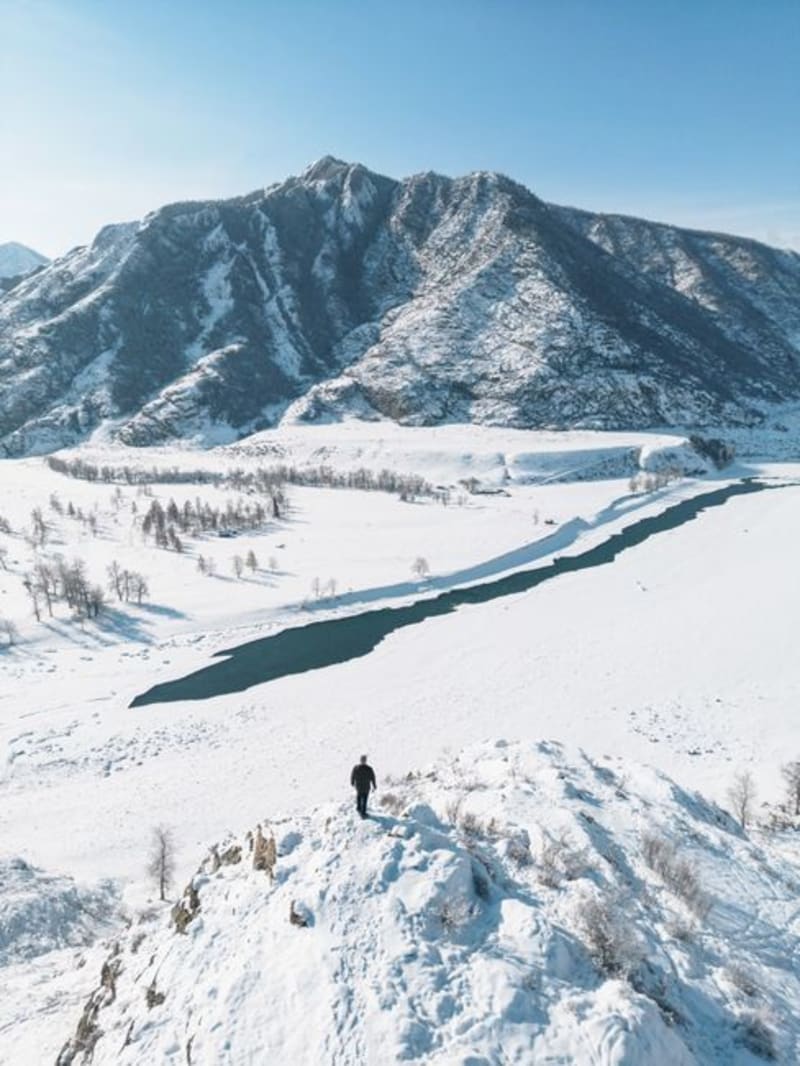
Five glaciated peaks at the far western edge of Mongolia, where Kazakh eagle hunters still ride the ridgelines and three countries meet at a single snowbound point.
Explore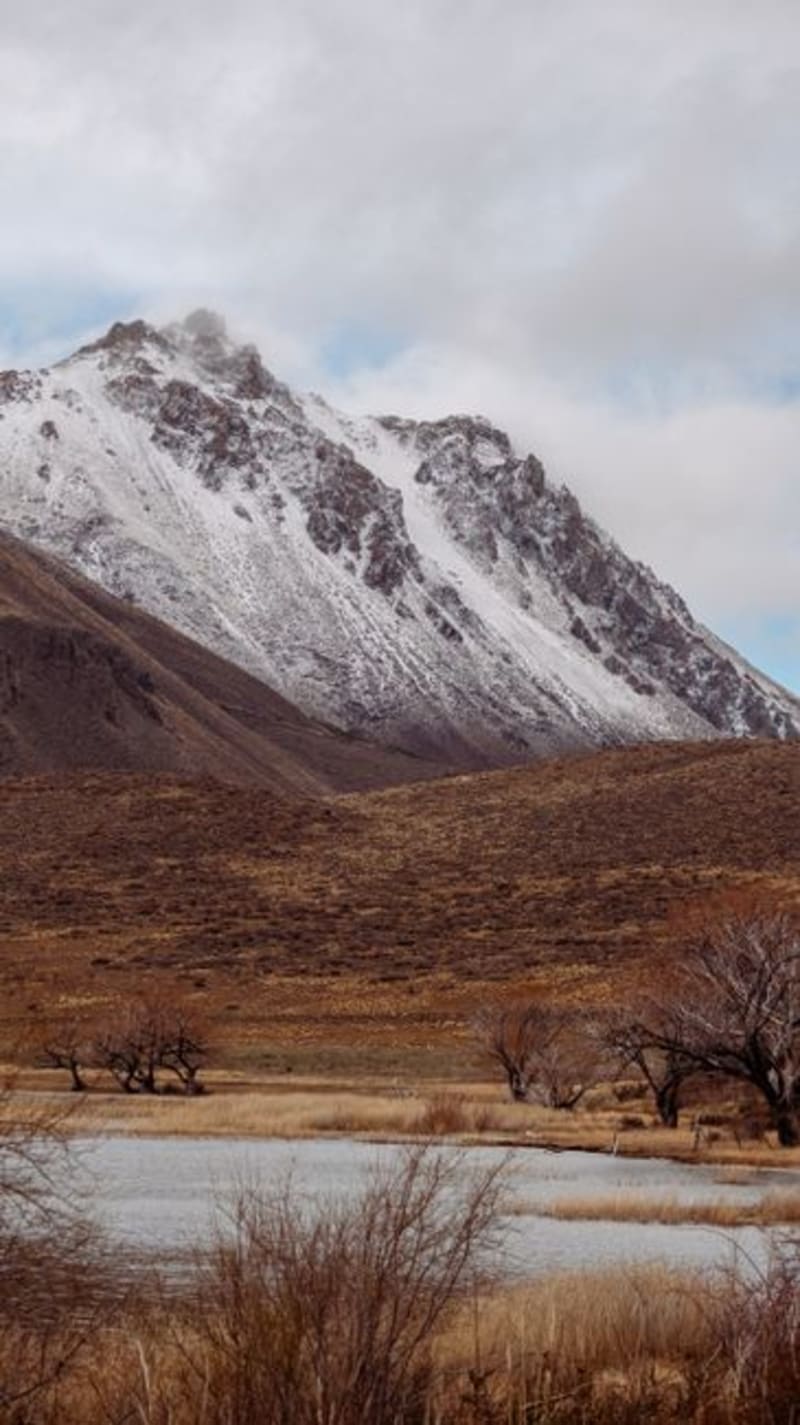 mongolia
 Telmen Lake
A remote alpine lake in Zavkhan province that almost no foreign traveler ever reaches, ringed by steppe and mountain in a silence that feels almost engineered.
Explore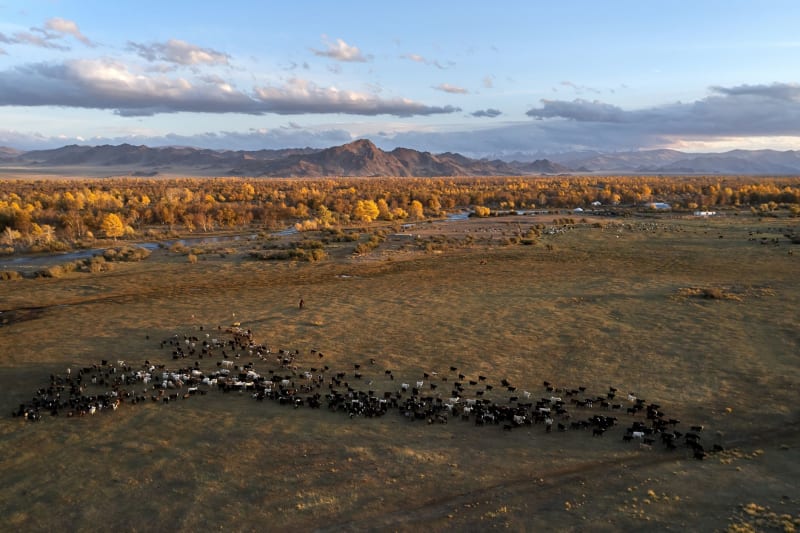 mongolia
 Gorkhi-Terelj National Park
Granite boulders shaped like animals, a cold river below pine-covered hills, and ger camps an hour from the capital that feel like the edge of the world.
Explore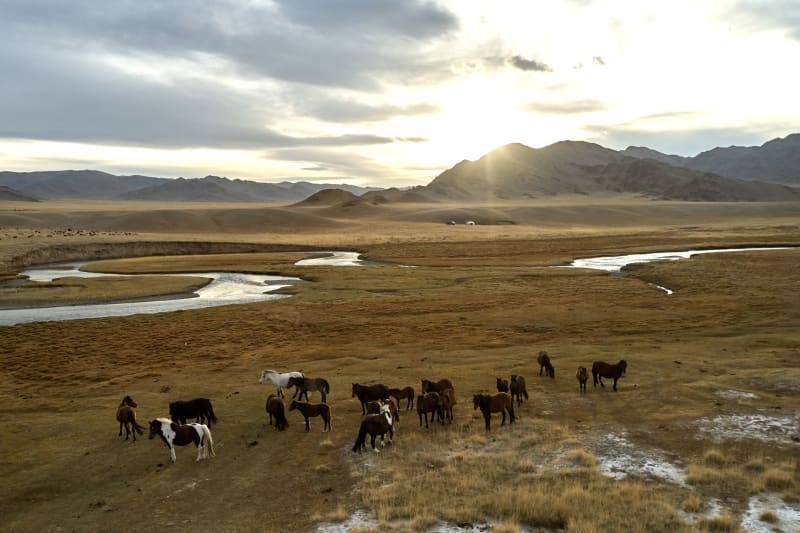 mongolia
 Terkhiin Tsagaan Lake
A volcanic white lake in the Khangai highlands, born from an ancient lava flow, ringed by craters, and still behaving like a geological surprise.
Explore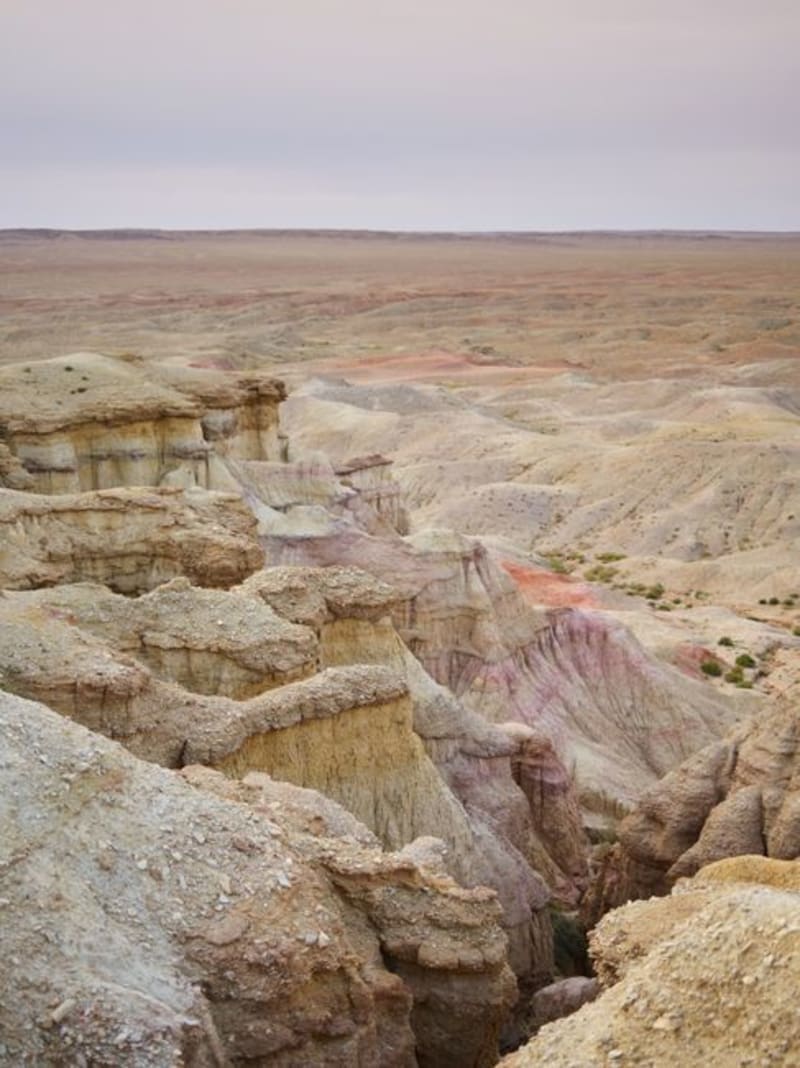 mongolia
 Tsagaan Suvarga
A sixty-meter wall of eroded cliffs in the middle Gobi that turns the color of a struck match at sunset, with not another structure in sight for miles.
Explore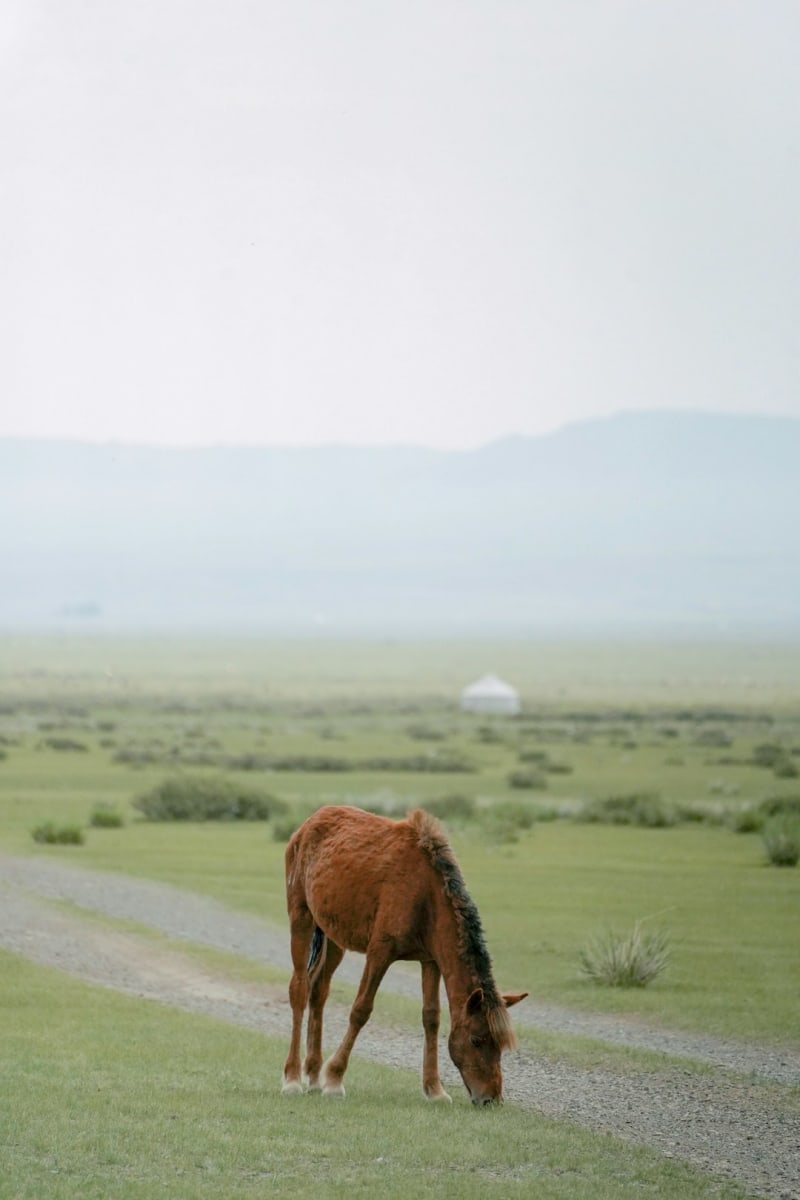 mongolia
 Tsenkher Hot Springs
Mineral water at fifty-something degrees rising out of the Arkhangai steppe, with nothing around it but grass, horses, and a sky that turns violent colors at dusk.
Explore