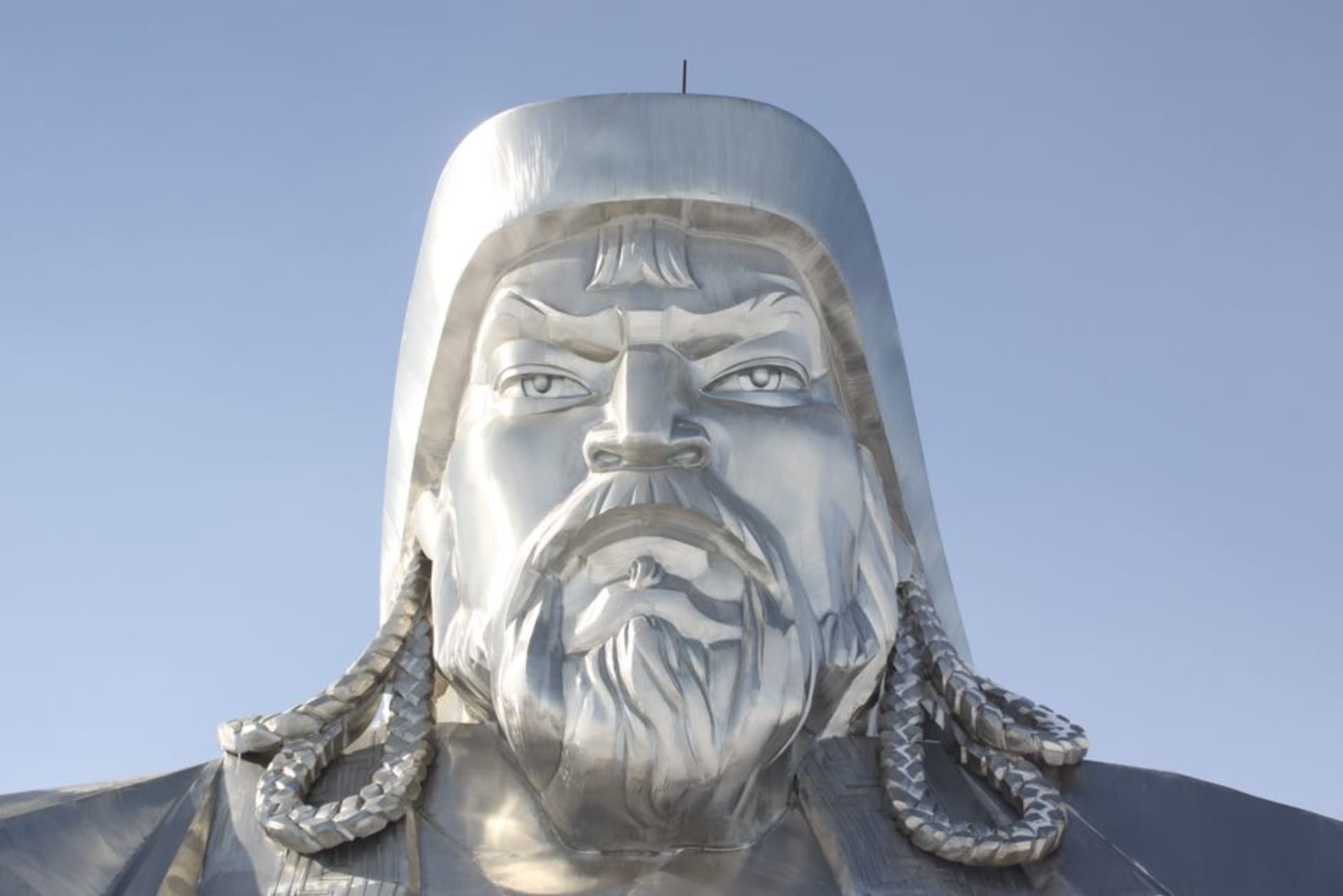
Genghis Khan Equestrian Statue Complex
"You can walk up inside the horse's neck and stand on its head, looking out over the exact steppe the man supposedly once rode across. Mongolia does not do subtlety here, and I loved it for that."
A forty-meter stainless steel Genghis Khan on horseback, rising out of the open steppe an hour from Ulaanbaatar, more theatrical than anything else I saw in the country and unapologetic about it.
Nothing else in Mongolia prepared me for the scale of the statue at Tsonjin Boldog. It rises forty meters — taller than most buildings I’d seen anywhere in the countryside — a stainless steel Genghis Khan mounted on horseback, gazing east toward the site where legend holds he found a golden whip, gleaming with a strange, almost sci-fi brightness against the flat grassland surrounding it in every direction. I’d seen photographs before arriving and assumed they’d been exaggerating the scale for effect. They hadn’t.
The complex sits about fifty kilometers east of Ulaanbaatar, an easy day trip, and functions as a genuinely strange hybrid of monument, museum, and tourist theme park — a large pedestal building beneath the horse houses a museum covering Bronze Age Mongolian history and the empire’s rise, an elevator and staircase system lets visitors climb up through the body of the horse to an observation deck on its head, and a gift shop sells everything from cheap souvenirs to a genuinely impressive collection of reproduction period weaponry and armor. It’s the single most overtly commercial site I encountered in Mongolia, and after weeks of quiet ger camps and unmarketed ruins, I found the unapologetic spectacle of it almost a relief.
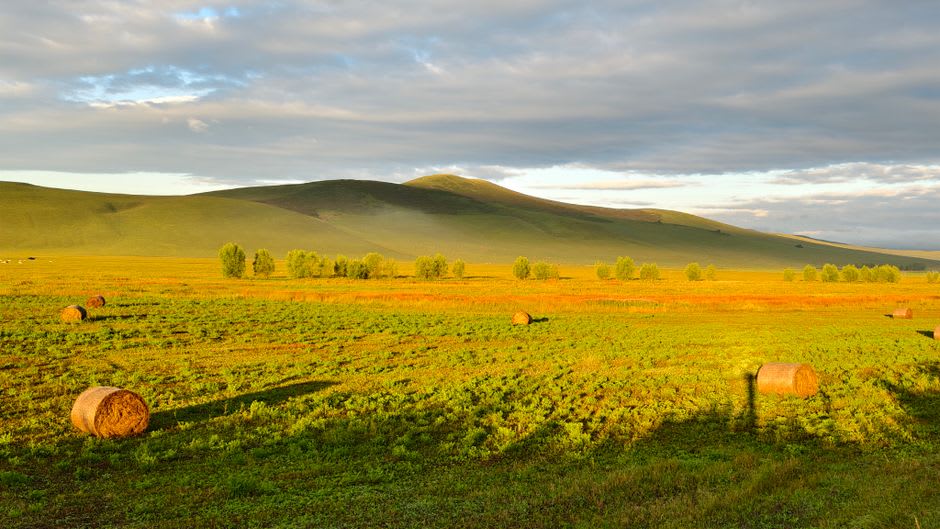
Standing on the observation deck at the horse’s head, looking out over genuinely empty steppe stretching to the horizon in every direction, the theatricality of the statue somehow resolves rather than clashes with the landscape — this is, after all, terrain built for exactly this kind of legend, flat and vast enough that a single rider or a single army moving across it would have seemed like the only thing that mattered for a hundred kilometers around. The statue’s location was chosen deliberately to evoke that scale, and whatever you think of the execution, the site does succeed in making the connection between the man and the land feel physically real rather than purely symbolic.
I spent an hour in the museum beneath the statue with a young guide, Naranbaatar, who walked me through a reconstruction of a Bronze Age burial site excavated nearby and a hall dedicated to traditional Mongolian boot-making, an odd but genuinely interesting tangent from the main Genghis Khan narrative. He was refreshingly candid about the statue’s mixed reception among Mongolians themselves — some proud of the scale and ambition, others considering it a somewhat garish departure from the more understated way the country traditionally memorializes its history. “Everyone has an opinion,” he said, shrugging. “But everyone also comes to see it.”
Whatever your appetite for monumentalism, the statue delivers an experience genuinely unlike anything else on a Mongolia itinerary — pure, unfiltered spectacle, dropped into the middle of the exact grassland that made the spectacle’s subject possible in the first place.
When to go: Year-round, as an easy half-day trip from Ulaanbaatar. Weekday mornings offer the smallest crowds; the site gets a steady stream of both domestic and international visitors on weekends.
Keep exploring
More from Mongolia
 mongolia
 Gobi Desert
Not the sandy expanse you were sold — the Gobi is gravel, silence, and volcanic colour, with camels appearing from nowhere.
Explore mongolia
 Karakorum
The ancient capital of the world's largest land empire, now a modest town beside a great monastery — history so layered the ground feels different underfoot.
Explore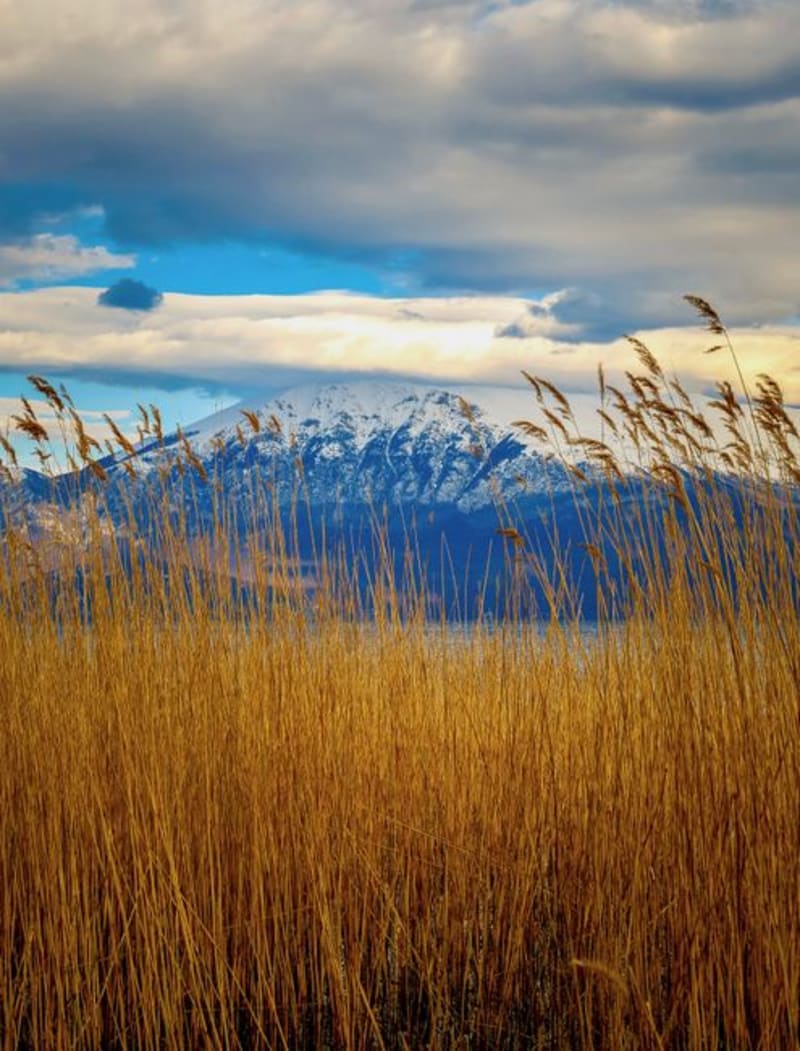 mongolia
 Khar Us Lake
A vast wetland at the foot of the Altai where reed beds hide pelicans, the second-biggest lake in Mongolia goes almost entirely unvisited.
Explore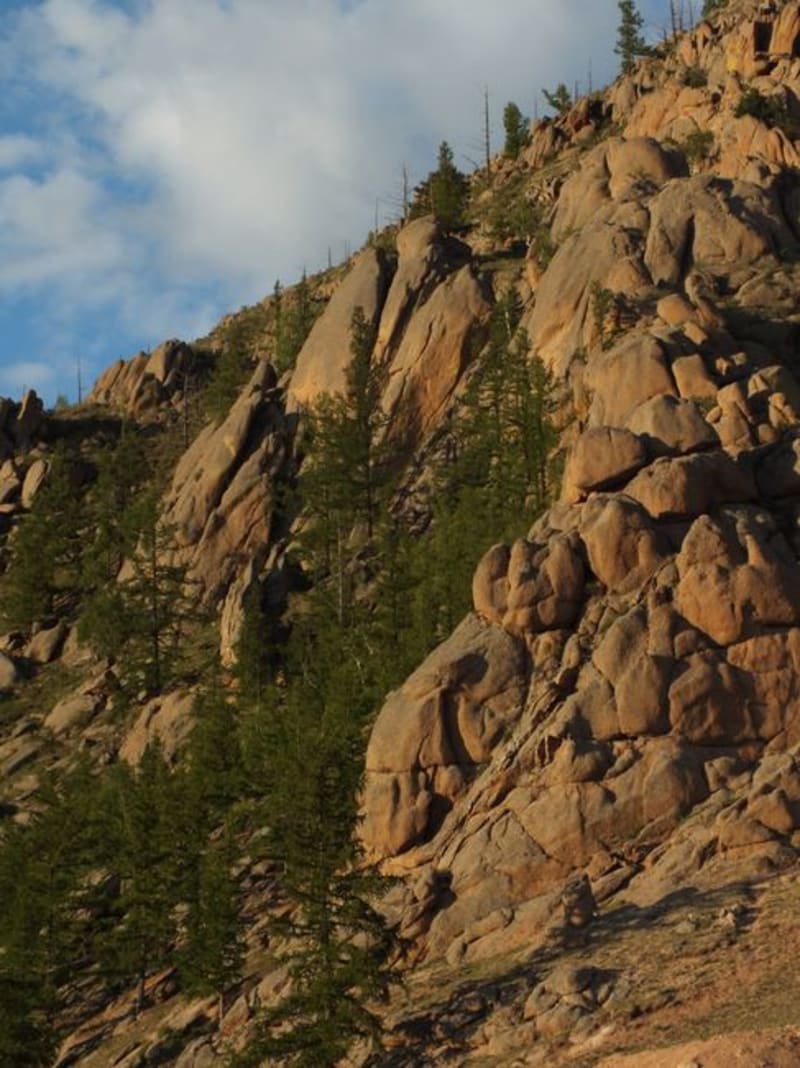 mongolia
 Khogno Khan Uul
A sacred granite mountain between the capital and the Gobi, with a ruined monastery on its slopes and a small dune field at its base that feels like a preview of the desert still to come.
Explore mongolia
 Khongoryn Els
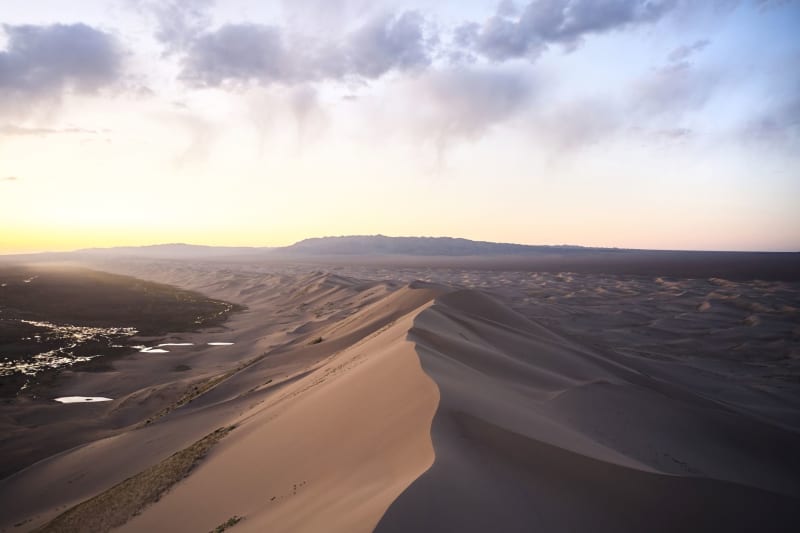
The singing sand dunes of the Gobi, a wall of mountainous sand that rises three hundred metres straight out of the gravel desert and groans like a distant engine when the wind moves it.
Explore mongolia
 Khovd
A river town at the crossroads of western Mongolia's ethnic patchwork, where Kazakh, Torguud, and Uriankhai communities share a market and a mountain skyline.
Explore