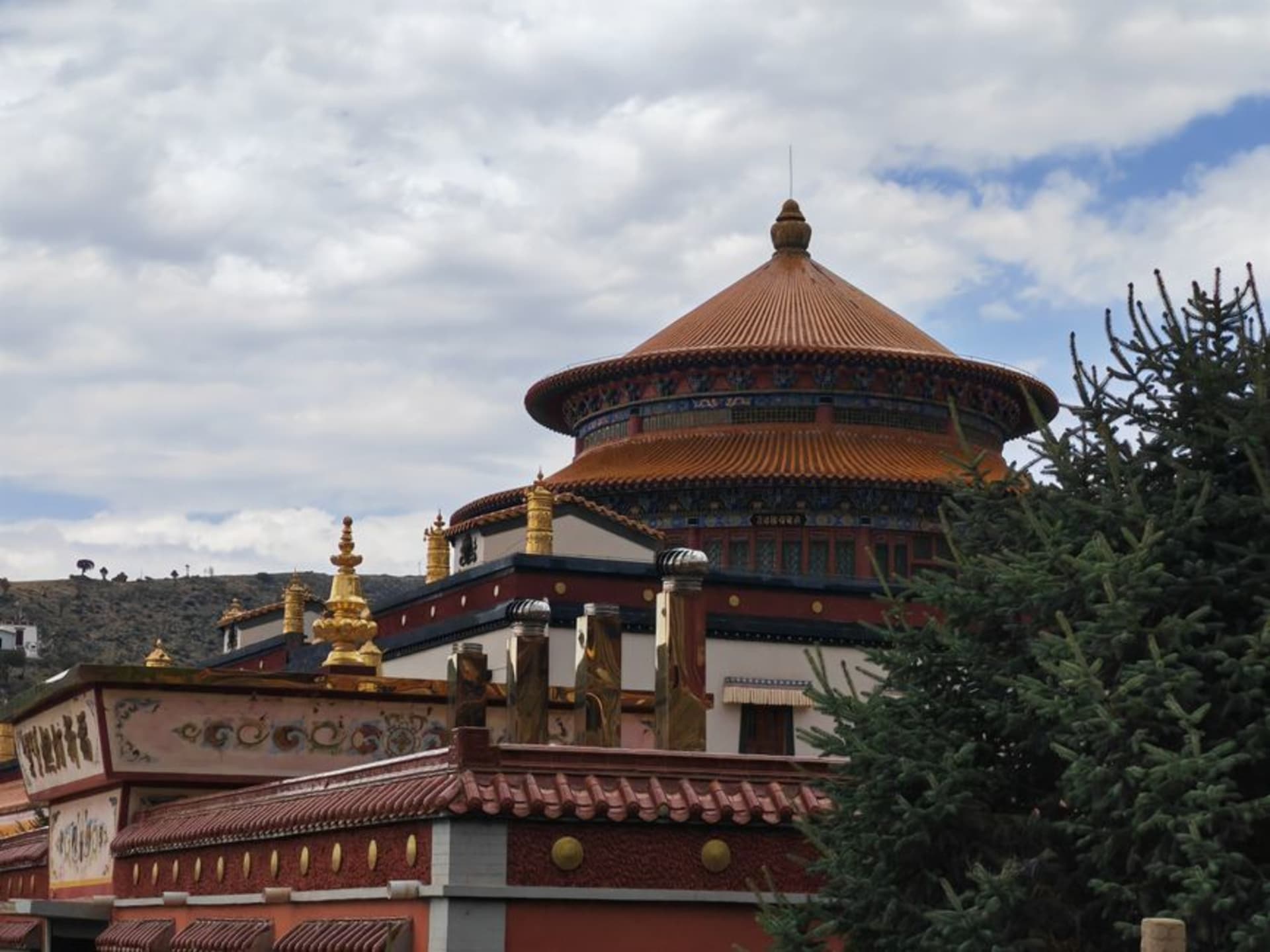
Amarbayasgalant Monastery
"Of the thousand monasteries this country lost, this is one of the handful that survived largely whole. You can feel the improbability of that the moment you walk in."
One of Mongolia's three great monasteries, tucked into a forested valley in Selenge province and left largely intact when so much of the country's Buddhist heritage was destroyed.
Amarbayasgalant sits in a river valley in Selenge province, ringed by forested hills that feel closer to Siberia than to the open steppe most visitors associate with Mongolian Buddhism, and it survives today as one of the very few major monastic complexes that escaped the near-total destruction of the 1930s purges relatively intact. Built in the 1720s under orders from the Qing Kangxi Emperor to house the remains of Zanabazar, Mongolia’s first Bogd Gegeen and one of its most significant religious and artistic figures, the complex was spared partly, historians believe, because of its relative remoteness from Ulaanbaatar and partly through what can only be called luck — several other monasteries of comparable importance were reduced entirely to rubble in the same years.
Walking through the compound, the difference from a ruin like Ongi is immediate: whole temple buildings, Chinese-influenced roof lines with upturned eaves, courtyards laid out with real architectural intention rather than reconstructed guesswork. The main temple halls, restored gradually since the 1990s with support from international preservation organizations, hold a functioning community of monks again, and the smell of juniper incense and the low murmur of chanting drift out into the courtyard at the hours when prayers are held, a sound I hadn’t heard with this kind of continuity at any other Mongolian monastery site.
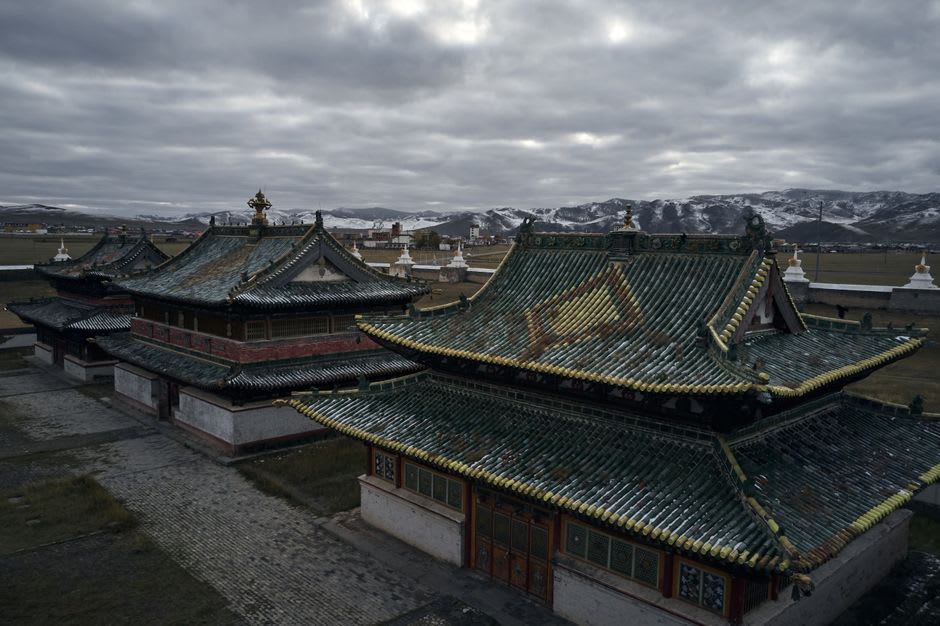
I spent an afternoon with a young monk, Sanjaa, who had come to Amarbayasgalant from a herder family in a neighboring province and was in the middle of a multi-year course of study that combined traditional Buddhist philosophy with basic English lessons taught by a rotating cast of volunteer teachers. He showed me the newer buildings under restoration, scaffolding still up around one hall, and talked about the challenge of rebuilding not just structures but a whole tradition of learning that had been interrupted for two generations — teachers who might have passed on certain chants or philosophical lineages simply weren’t there anymore by the time monasteries were permitted to reopen. “We are rebuilding from what is written,” he said, “and from what the very old monks still remember. Less and less of the second thing every year.”
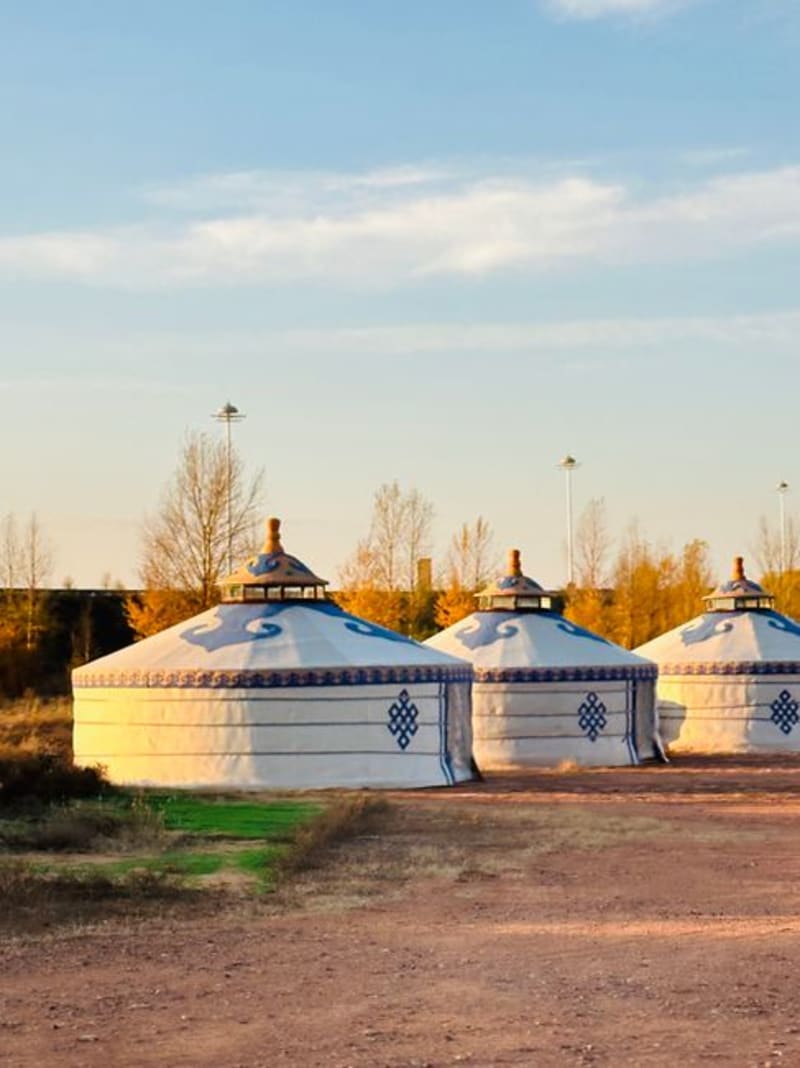
The valley around the monastery is quietly beautiful in its own right — birch and larch forest climbing the hillsides, a small river running below the compound, and a scattering of ger camps that host the modest but growing number of visitors who make the drive out from Darkhan or Ulaanbaatar. I stayed the night in one of these, waking to the sound of the monastery’s morning horn carrying across the valley in the cold pre-dawn air, a sound that felt older than it probably was and that made the short walk back to the compound gates worth the early start.
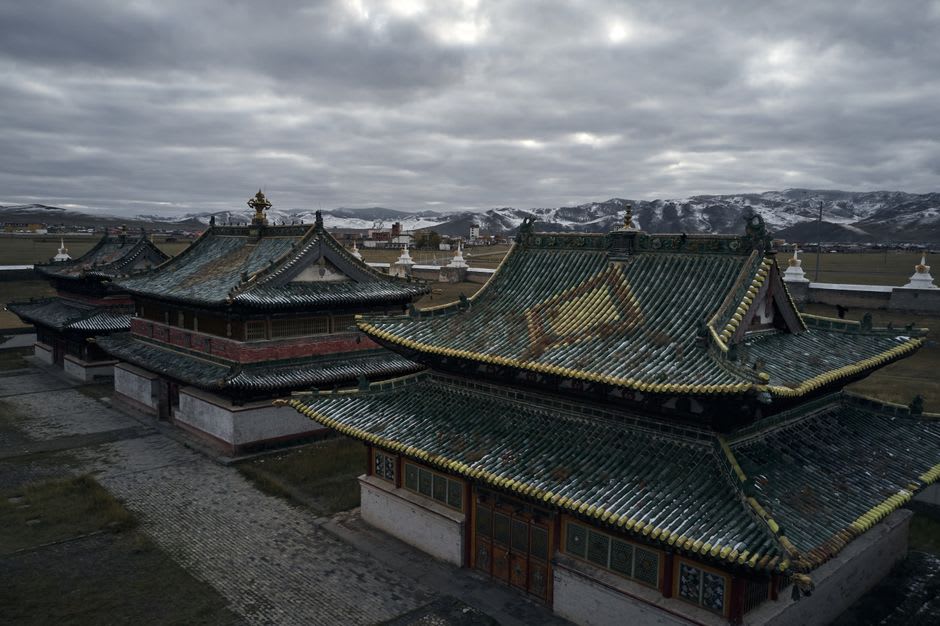
Amarbayasgalant doesn’t require the imaginative reconstruction that a ruin like Ongi does — it simply asks you to notice what survived, and to sit with how narrow the margin of that survival actually was.
When to go: May through September for road access and pleasant weather in the forested valley. Try to time a visit around the morning or evening prayer sessions, when the temple halls are active rather than simply open for viewing.
Keep exploring
More from Mongolia
 mongolia
 Arvaikheer
A working provincial capital in central Mongolia where livestock trading defines daily life more than any single monument, and the steppe stretches uninterrupted in every direction.
Explore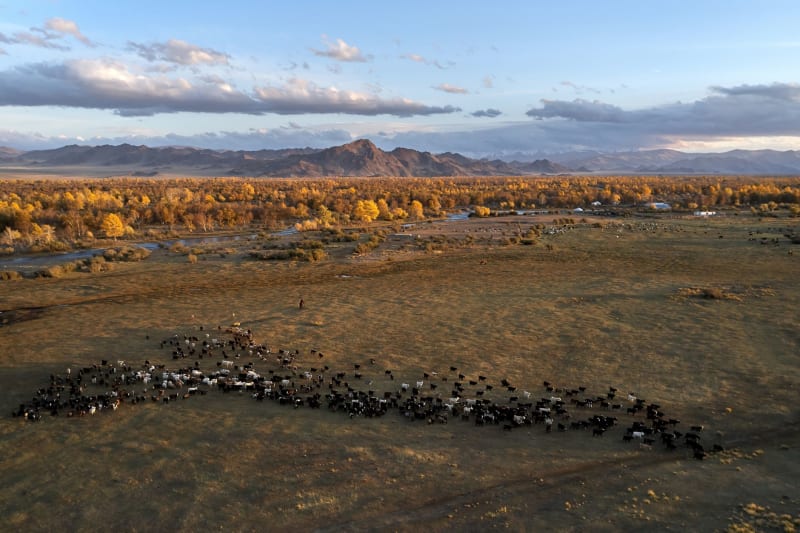 mongolia
 Bayan-Ölgii
Mongolia's far western province where Kazakh culture, eagle hunting, and snow-capped Altai peaks make you feel you've crossed into a different country entirely.
Explore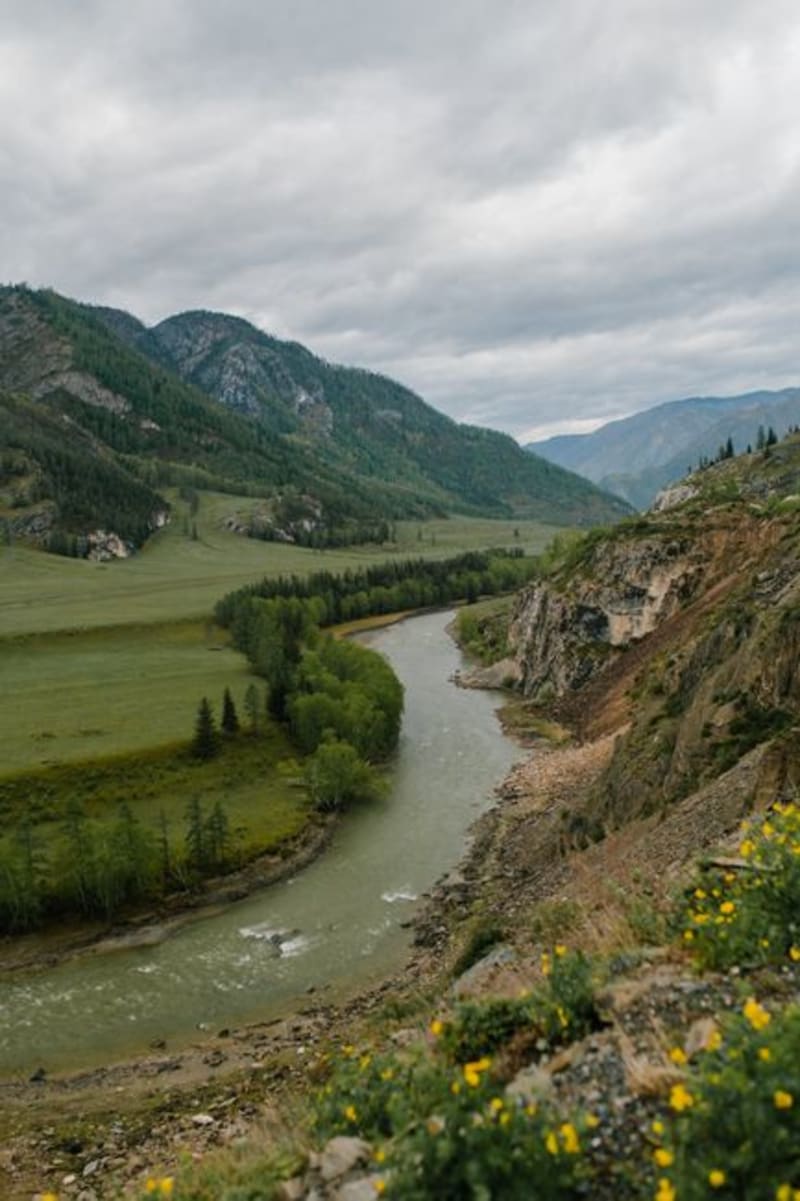 mongolia
 Bulgan
A quiet forested province in Mongolia's north where the steppe gives way to taiga, and a sleepy aimag capital sits on a river nobody outside the region has heard of.
Explore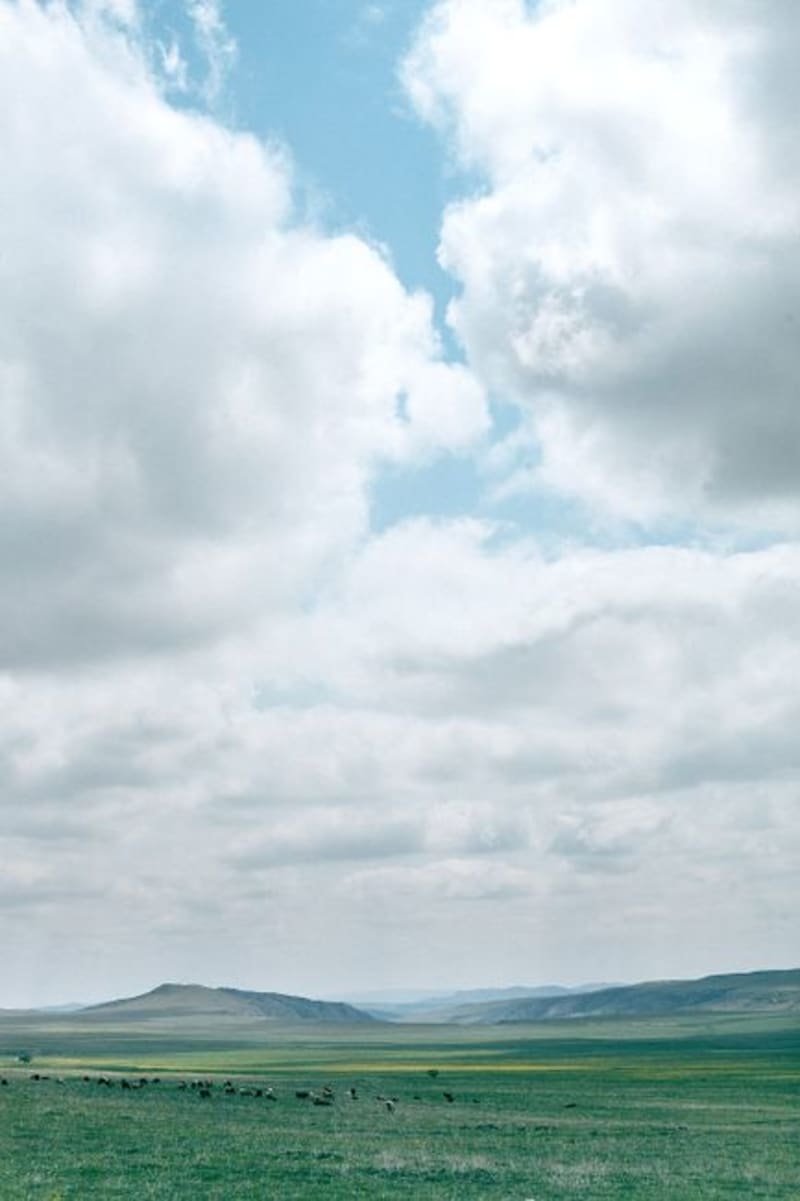 mongolia
 Choibalsan
A river town on the far eastern steppe, the biggest city almost nobody visits, where the Kherlen River curls past Soviet-era buildings and the grassland runs flat and empty toward Manchuria.
Explore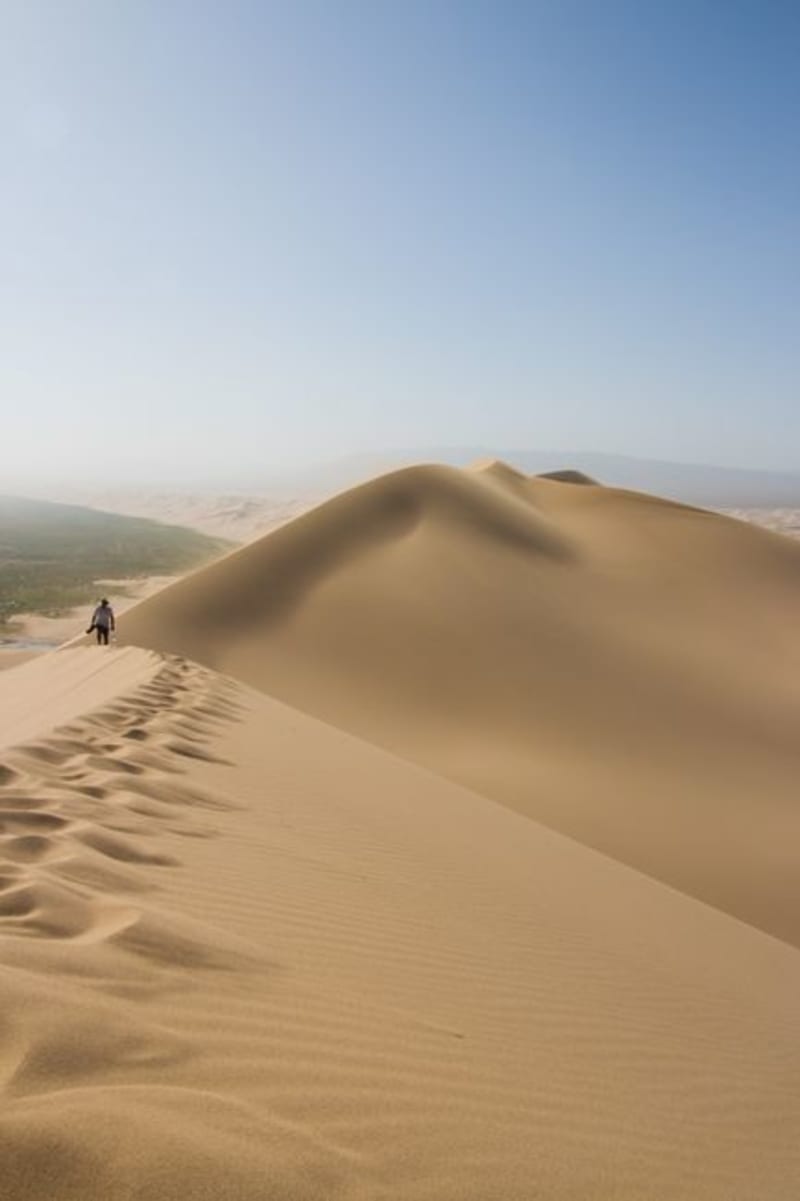 mongolia
 Dalanzadgad
The gateway town to the South Gobi, unglamorous by design, where every traveler heading toward the dunes and canyons of Gurvansaikhan passes through and few actually stop to look.
Explore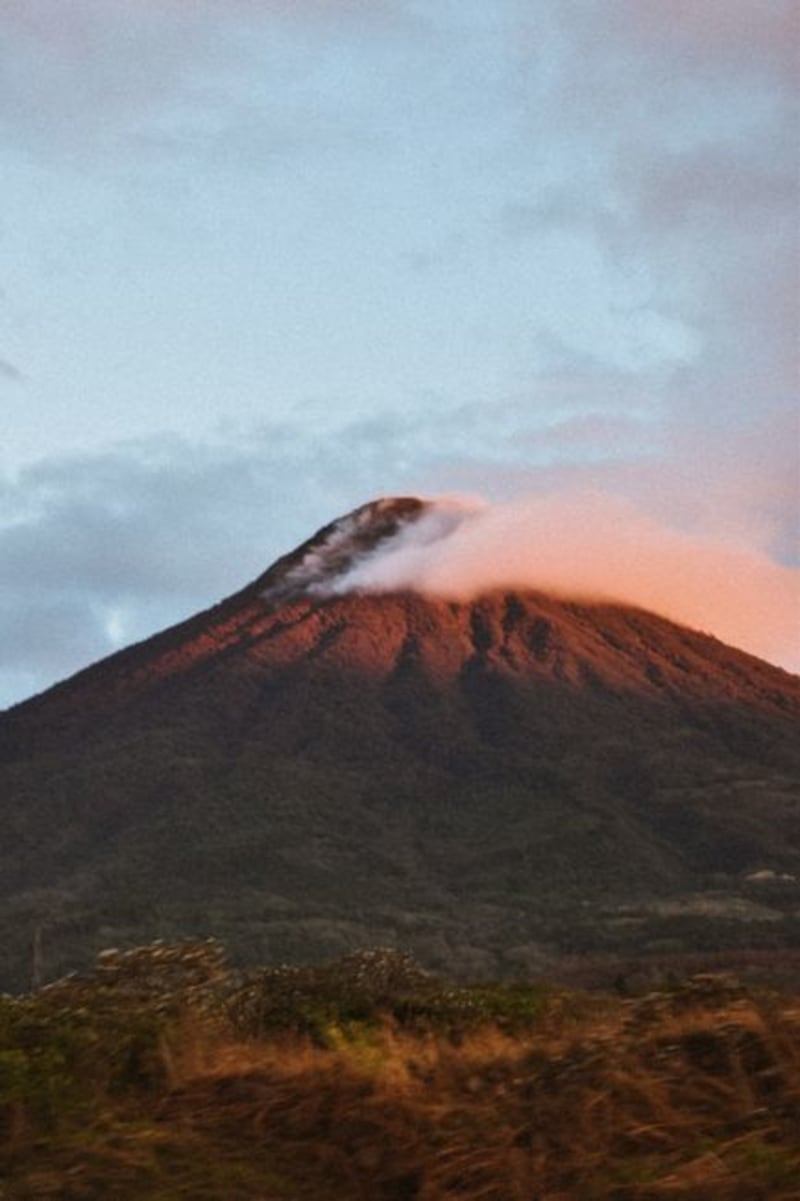 mongolia
 Dariganga
An extinct volcanic field in the far southeast where two hundred cinder cones rise out of the steppe and sand dunes creep up against grassland like they can't decide what desert means.
Explore