Larvotto
"The water here is the same water everywhere. The light, though, does something specific."
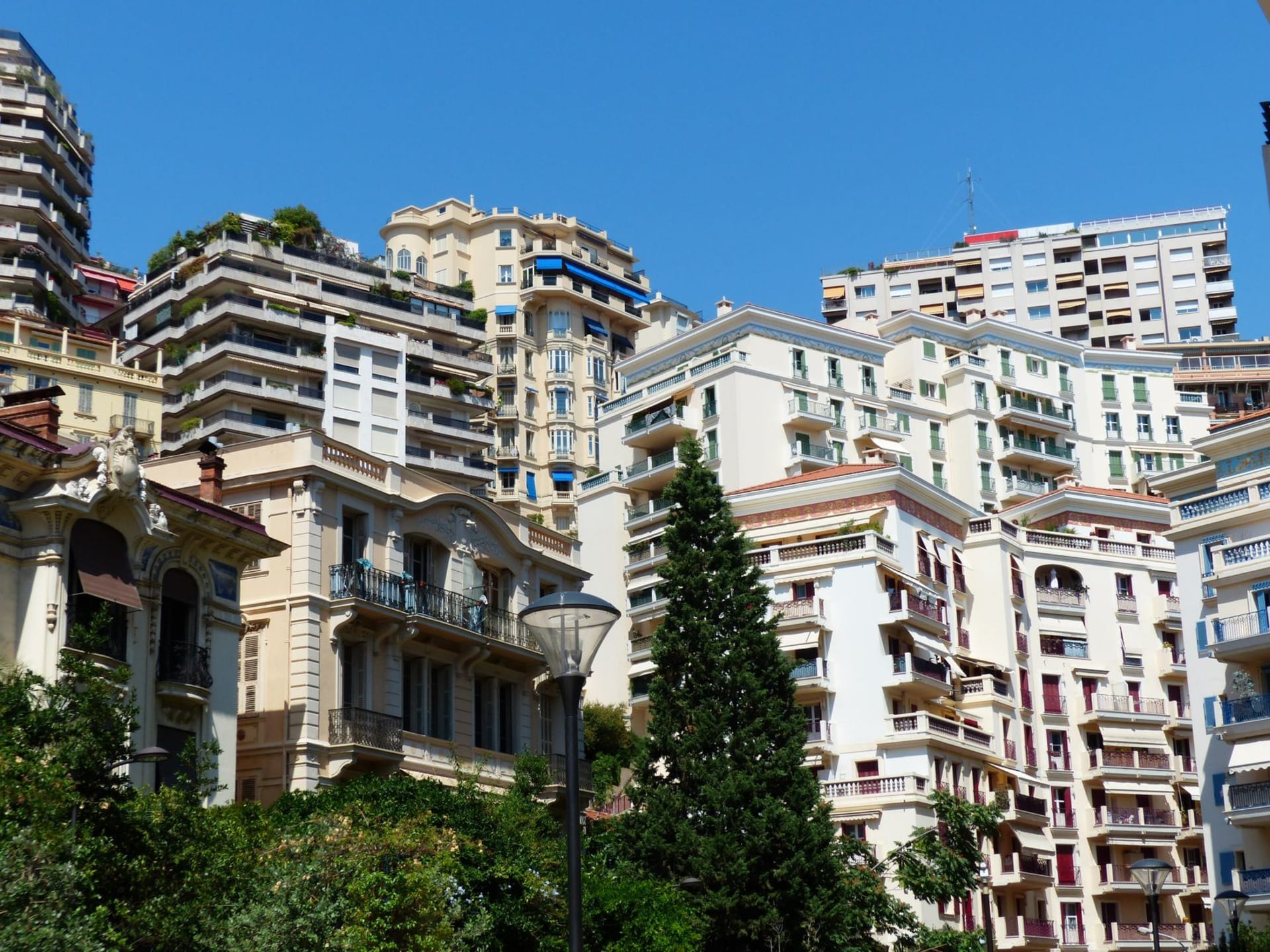
Monaco has a beach, which surprises some people who imagine the principality as entirely vertical towers and casino rooms. Larvotto is Monaco’s beach district, occupying the northeastern edge of the principality, and it consists of a stretch of artificially replenished pebble shore backed by the towers of Monte-Carlo and fronted by a sea that is somehow always more intensely colored here than anywhere along the Riviera. I don’t know the science of this — something about the depth of the water, something about the limestone cliffs catching the light — but the Larvotto blue has a quality that photographs can suggest but not fully reproduce. You have to stand at the water’s edge and look east toward Italy to get the full effect.

The beach divides into public sections and private beach club sections, which is Monaco’s compromise between accessibility and its instinct for monetizing waterfront. The public section in the middle is entirely free — you bring your own towel, you navigate the pebbles, you swim in water that is genuinely clean and cold in the way that deep Mediterranean water is always cold below the surface. On Sunday mornings in early October I had a long section of it nearly to myself: a few swimmers doing serious laps parallel to shore, an elderly man doing what appeared to be tai chi in the shallows, a dog that had arrived independently and was investigating the seaweed line with great thoroughness. These are the Larvotto mornings I think about when I think about Monaco outside the postcard version.

Adjacent to the beach, the Jardin Japonais occupies a small promontory and is one of those surprises Monaco keeps producing from its compressed geography. Prince Rainier commissioned it in the 1990s as a gift to the Monégasque people — a genuine Japanese garden designed by Japanese landscape artists, with stone lanterns, a koi pond, a teahouse, raked gravel, and bamboo screens that somehow succeed in feeling serene despite being bordered on one side by a four-lane road and on another by luxury apartment towers. I sat there for half an hour on a weekday morning eating a pastry I’d brought from La Condamine. The koi were doing their slow circles. The bamboo was making that sound bamboo makes. Monaco was going on behind me, and for thirty minutes I let it.
When to go: September and early October are the Larvotto months — the water is still warm from summer but the crowds have thinned dramatically, the beach clubs are quieter, and the light has turned that autumnal amber. July and August are swimmable but crowded. The Japanese garden is pleasant year-round but particularly beautiful in spring when the azaleas flower along its margins.