An Ottoman-era stronghold on the Dniester where a Swedish king once hid, its bastions still guarding a river that has seen empires come and go.
I almost didn’t cross into Transnistria for this. Lia had read one paragraph about a Swedish king hiding out on the Dniester and that was it, we were rerouting our whole Moldova week around a fortress neither of us could pronounce properly for the first two days. Bender — Tighina to some, depending on who you ask and in which language — sits low and stubborn on the riverbank, and the fortress itself doesn’t announce itself from a distance the way I expected. It just appears, this long run of stone bastions catching the light, and you feel the weight of it before you’ve even found the entrance.
What got me, walking the ramparts that first afternoon, was how many hands had shaped this place before the Ottomans ever arrived. Sultan Suleiman the Magnificent built the fortress we mostly see today in the early 1500s, but he built it on top of Genoese and Moldavian defenses that were already old by then. Standing on the walls with the moat below us, dry now but unmistakably a moat, I kept thinking about how many soldiers had stood in roughly that same spot over five centuries, looking at roughly the same bend in the river.
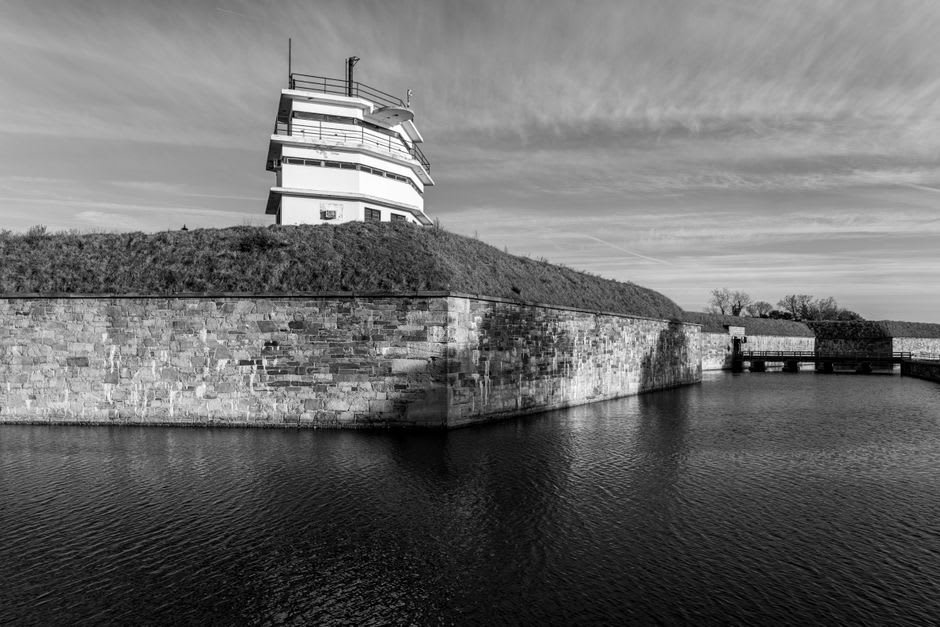
The Charles XII story is the one that stuck with me longest, honestly. After Poltava in 1709, when his army was shattered and his war against Russia was effectively over, the Swedish king didn’t just pass through — he stayed here for years, a king in exile inside an Ottoman fortress on the edge of Europe, waiting for a comeback that never really came. There’s something almost absurd about it that I loved, this Nordic monarch pacing these stone corridors while diplomats argued about his fate hundreds of miles away. The museum inside now walks you through that whole layered history, Ottoman garrison to Russian imperial outpost to Soviet military post, and I’ll admit I lingered longer over the Charles XII exhibits than anywhere else.
Lia found the best light near the riverside bastion, late in the day, when the restored stonework goes gold and the Dniester just slides past like it has nowhere urgent to be. We ended up staying almost two hours longer than planned, just sitting on a low wall with the fortress at our backs, not saying much. That’s the kind of place this is — it asks for more time than you budget for it.
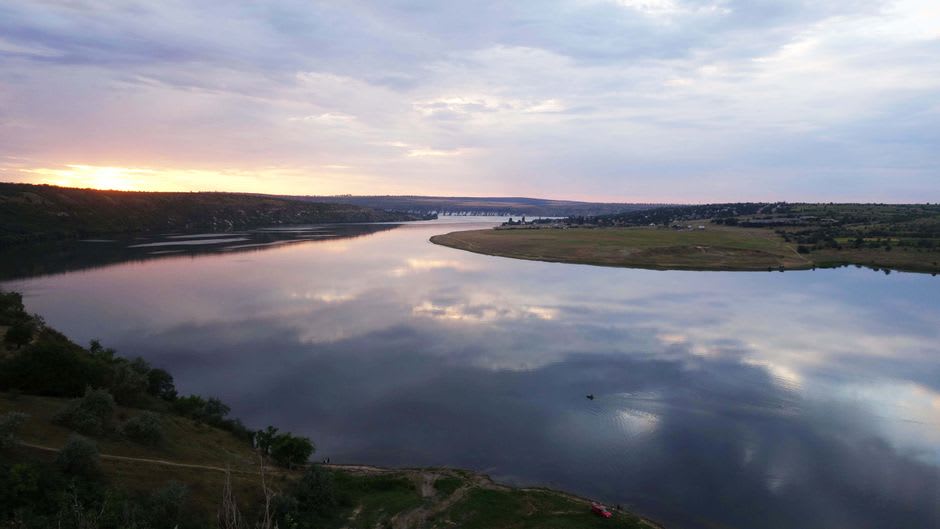
When to go: We went in early June and had warm, easy days for walking the grounds — I’d say aim for May through September, when the stone isn’t slick with rain and there’s enough daylight left in the evening to catch that riverside light Lia loved so much.
Keep exploring
More from Moldova
 moldova
 Cahul
Moldova's southernmost significant town sits in wine country near the Prut River, with a mineral spa tradition that the Soviets built and post-Soviet Moldova quietly kept.
Explore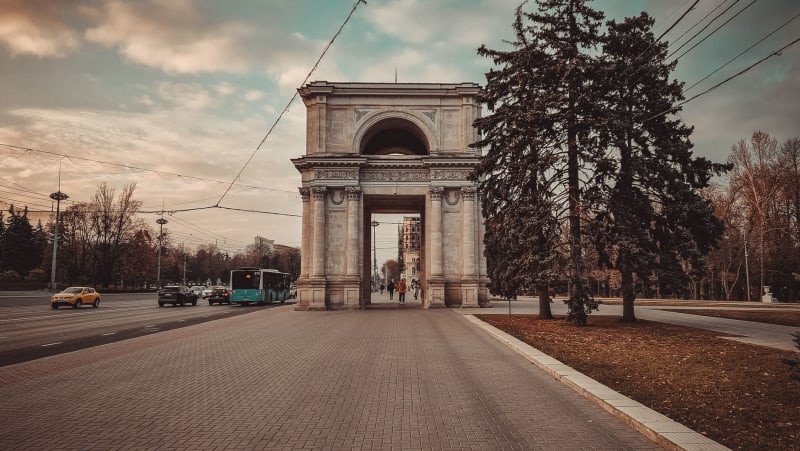 moldova
 Chișinău
A post-Soviet capital that keeps its best things — wine bars, farmers' markets, warm conversation — hidden just one street off the main drag.
Explore moldova
 Comrat
Capital of Gagauzia, Moldova's Turkic Christian autonomous region, where the wine is red and the language sounds like Turkish spoken in a Slavic dream.
Explore moldova
 Cricova
An underground wine city with 120 kilometers of chalk tunnels where bottles outnumber citizens and streets are named after grape varieties.
Explore moldova
 Mileștii Mici
The world's largest wine collection by bottle count, stored in 55 kilometers of navigable underground tunnels that you explore by driving your own car.
Explore moldova
 Orheiul Vechi
A cave monastery carved into limestone cliffs above the Răut River, where monks still live in hollowed rock and the silence is geological in its depth.
Explore