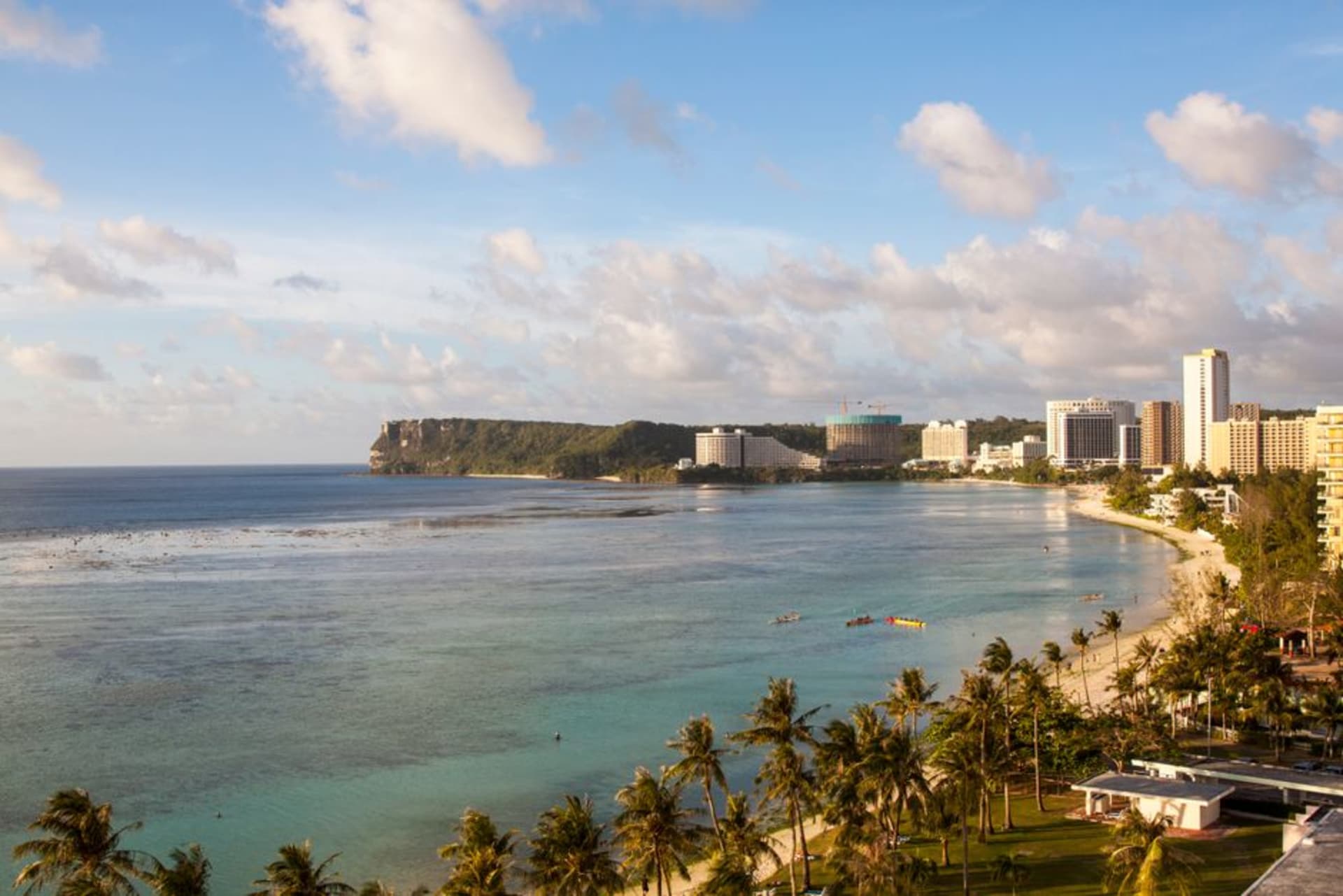
Tumon Bay
"After three weeks of prop planes and generator power, a hotel with air conditioning and a swim-up bar felt almost suspicious."
Guam's glossy resort strip, the one corner of Micronesia that looks like Waikiki, and a useful reminder that the region isn't only one thing.
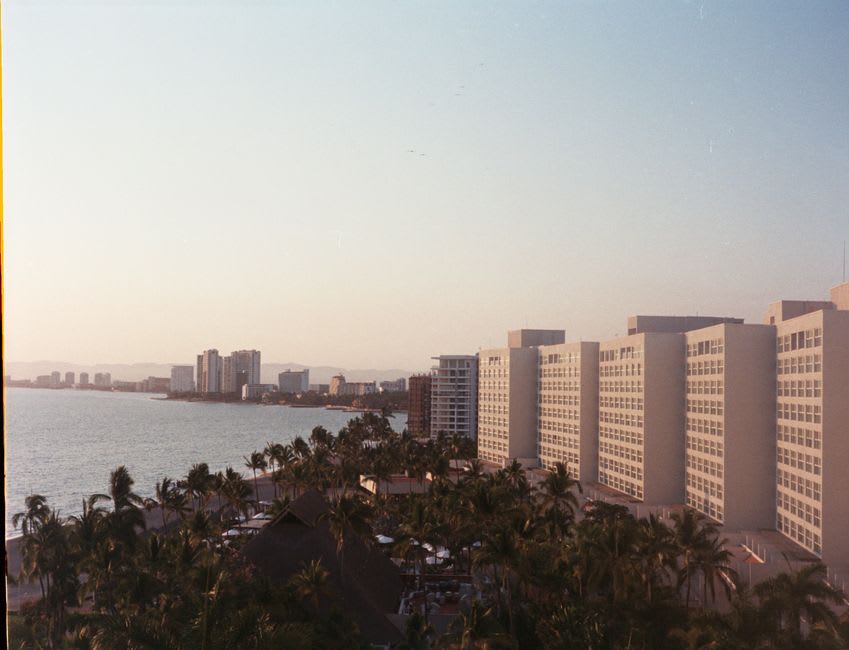
I’ll admit I arrived in Tumon Bay slightly defensive, expecting to dislike it. After weeks moving through Kosrae and Ulithi and Weno, where “resort” means a family guesthouse with a generator on a schedule, Tumon felt like landing on a different planet — a curved two-kilometer beach lined with high-rise hotels, a duplicate of Yokohama’s DFS Galleria selling luxury handbags to package tourists, and a boardwalk full of restaurants advertising themselves in Japanese and Korean before English. Guam is a US territory and, functionally, the most developed and westernized corner of the wider Micronesian region by a wide margin, and Tumon is where that development is most concentrated and most obvious.
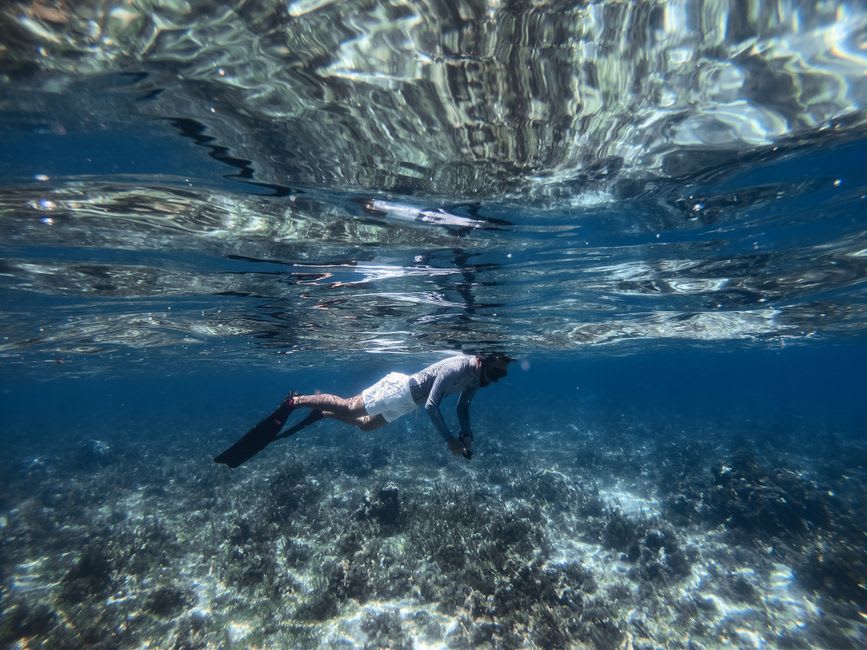
But I came around on it, and I think that’s worth admitting honestly rather than performing the traveler’s reflex of sneering at anything that looks like a package holiday. The snorkeling right off the beach, inside the reef that protects the bay, is genuinely excellent and genuinely easy — no boat, no dive shop logistics, just walk in from the sand and you’re over coral and reef fish within minutes, which after the effort required to reach some of Micronesia’s better dive sites felt almost like cheating. I floated there for an hour one afternoon, in water so calm it barely needed fins, watching parrotfish work over the coral while paragliders towed tourists overhead.
What I appreciated most, oddly, was the contrast Tumon offers with the rest of the region. Guam’s history is layered in its own way — Spanish colonial rule for over three centuries, a brutal Japanese occupation during World War II that the Chamorro community still speaks about directly, then American territorial status that continues today with an unresolved political status debate most visitors never hear about. The War in the Pacific National Historical Park, a short drive from the resort strip, covers that occupation with more depth than Tumon’s tourist branding would suggest exists. I left thinking Guam works well as a soft landing into or out of the region — the comfort of Tumon on one end, the raw, unfiltered version of Micronesia everywhere else you go from there.
When to go: Year-round, since Tumon’s whole appeal is reliable resort infrastructure regardless of season. December to June avoids the worst of typhoon season and keeps the reef snorkeling at its clearest.