Kepirohi Waterfall
"I went for Nan Madol and stayed an extra hour for a waterfall nobody had mentioned to me."
A wide jungle waterfall in Pohnpei's Kitti municipality, quietly outshining better-known sights on the same island for the price of a muddy walk.
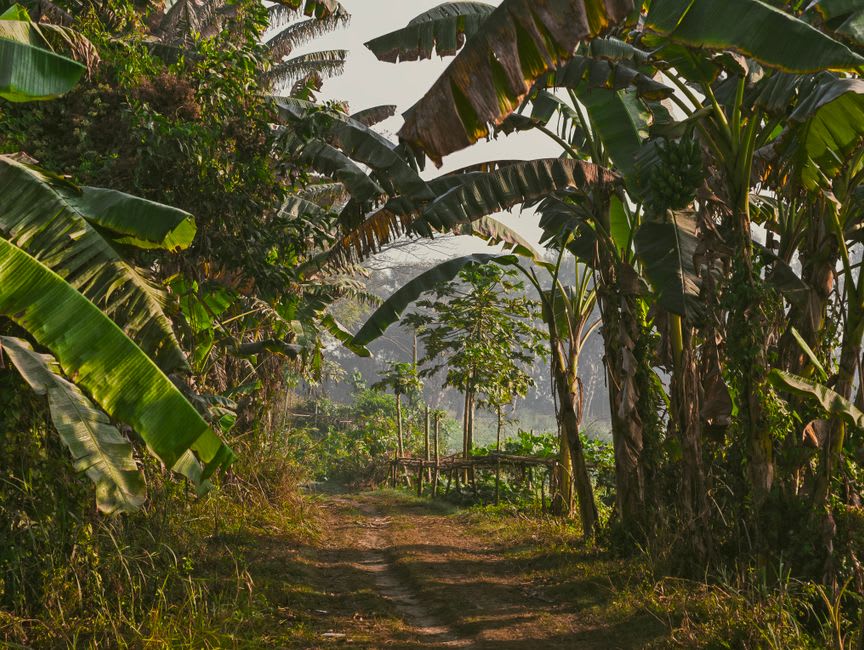
Nobody sends you to Kepirohi on purpose. I found it because my Nan Madol boat driver mentioned, almost as an afterthought while we were tying up, that there was “a good swimming spot” nearby if I had an extra hour, and I’ve learned in Micronesia that this kind of casual, underselling recommendation is almost always worth following. It’s in Kitti municipality on Pohnpei’s southeastern coast, a fifteen-minute drive and then a short muddy walk through pepper plantations and jungle from the main road, and it turned out to be one of the better half-hours I spent on the whole island.
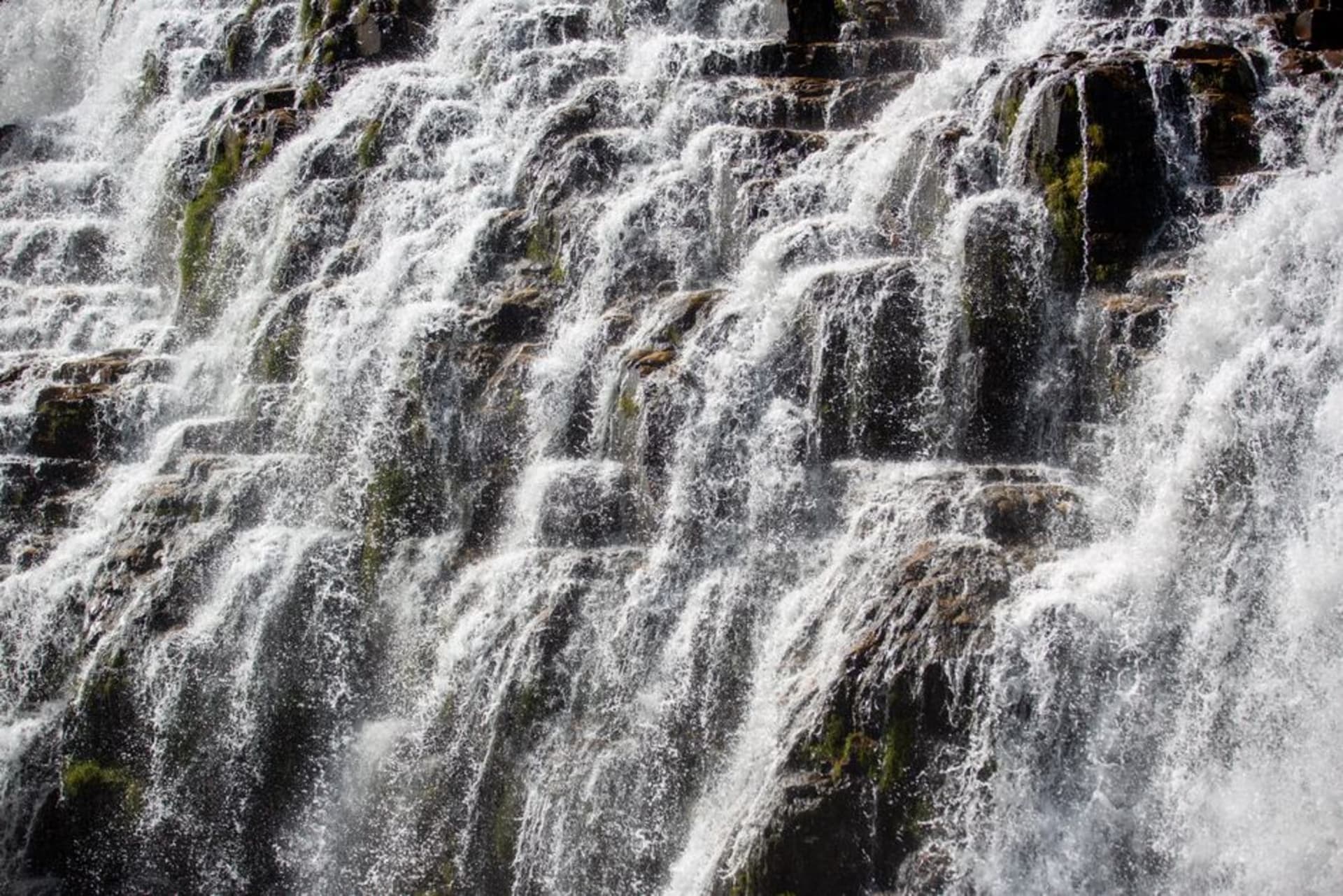
The waterfall itself spans a wide rock shelf rather than dropping in a single narrow chute, water fanning out across maybe twenty meters of ledge into a dark, deep pool below, framed on all sides by dense jungle that presses right up to the water’s edge. Pohnpei gets an enormous amount of rain — some of the wettest recorded rainfall on Earth, concentrated on Nahna Laud peak in the island’s interior — and Kepirohi is one of the more visible, accessible results of that, running with real volume even outside heavy rain. I swam right up to where the water broke over the ledge and let it hit my shoulders, which is a different kind of experience than watching a waterfall from a viewing platform, and one I’d recommend to anyone who makes it out this way.
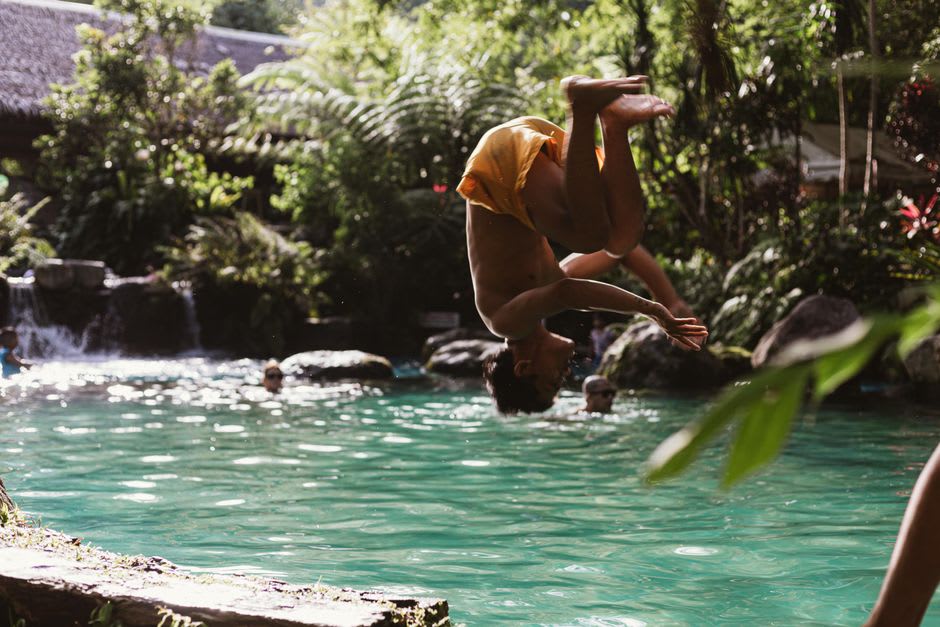
A small group of local kids showed up while I was there, unbothered by my presence, diving off the rocks at the pool’s edge with the casual confidence of people who’d been doing it their whole lives. One of them, maybe twelve years old, asked if I was there for Nan Madol, and when I said yes, told me flatly that Kepirohi was better anyway. I didn’t disagree with him out loud, but I’ve thought about that exchange more than once since. Pohnpei’s fame rests almost entirely on the ruins, and rightly so, but the island’s interior — waterfalls, pepper farms, thick rainforest — holds up its own case for attention if you give it the chance.
When to go: Any time of year works, since Pohnpei is wet almost constantly, but flow is heaviest just after the rainier months of July through October. Pair it with Nan Madol on the same day trip — they’re close enough that it would be a shame not to.