
Concepción del Oro
"I came expecting a ghost town and found a small, proud, living place — but one that carries its mining past in every building and every family name."
The bus from Zacatecas city drops you at the edge of town in the kind of midday light that makes everything look overexposed. I had been riding for four hours through semi-arid scrubland where the road occasionally dissolved into heat shimmer, and I arrived at Concepción del Oro already understanding that this was somewhere apart from the rest of Mexico. The elevation sits around 2,200 meters. The air is thin and dry in a way that Puerto Escondido never is. And the first thing I noticed stepping off — before the church, before the plaza — was the silhouette of the old mine shaft rising above the rooftops like a question no one had finished answering.
The Mine That Made and Unmade Everything
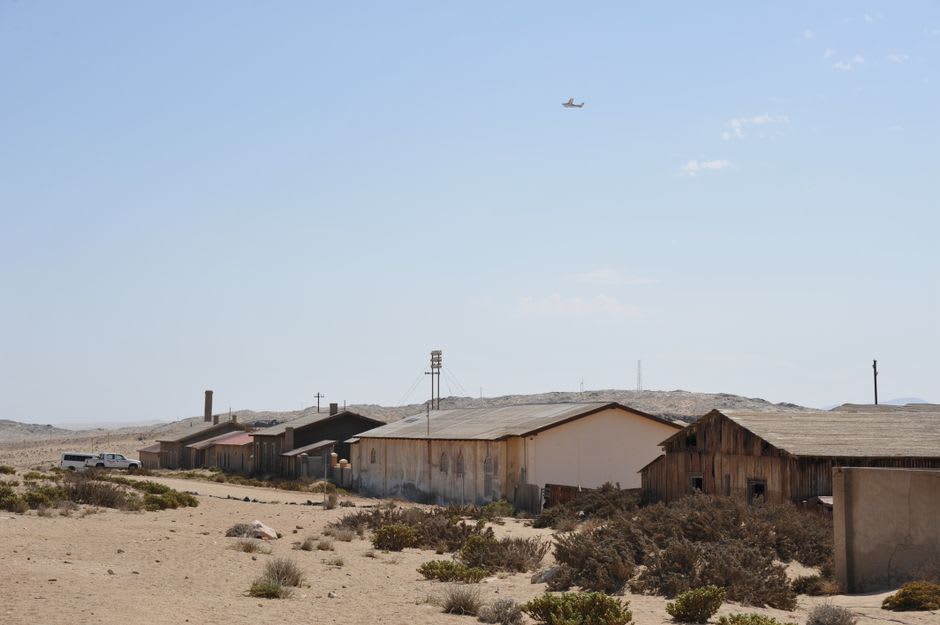
The Compañía de Minas Bonanza extracted silver and gold from this corner of Zacatecas for decades, and the ruins it left behind are extraordinary — not in a manicured heritage-site way, but in the unsettling way of structures simply abandoned when the money ran out. The main processing plant sits at the north end of town, its thick stone walls still standing, its machinery long since removed, the roofless interior open to a sky that seems wider here than anywhere I’ve been in Mexico. You can walk right up to most of it. There are no fences, no entrance fees, no interpretive signage. A man was grazing goats in the old courtyard the morning I visited, which felt about right.
The hacienda de beneficio — where ore was processed — is the most affecting ruin. Its arched doorways and collapsed upper floors give it the scale of something from another era entirely, which it is. Walking through it, you develop a slow sense of the operation that once ran here, and of how completely it disappeared. The silence is the main thing you carry out.
The Town That Stayed
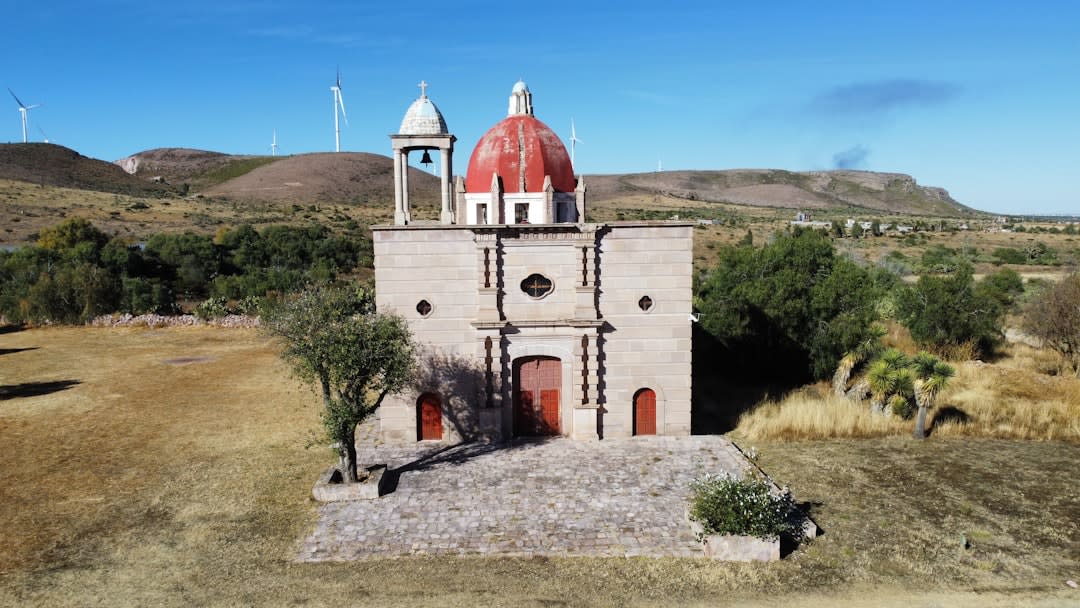
What makes Concepción del Oro interesting rather than merely melancholy is that people stayed. The centro is quiet but functional — a neoclassical church with a pale limestone facade facing the jardín, a small market running along the side street behind it where women sell gorditas de maíz stuffed with frijoles negros and requesón, a handful of fondas where the comida corrida runs to caldillo de carne seca and birria de res that has been going since five in the morning. I ate at a place on Calle Zaragoza — four plastic tables, a handwritten menu taped to the wall — and talked to the owner, a woman in her sixties whose grandfather had worked the Bonanza. Everyone here has a grandfather who worked the Bonanza. The mine shaped the genealogy of the town as thoroughly as it shaped its skyline, and you feel that in the way people talk about it: not as distant history, but as something personal and unresolved.
Into the Desert
About twelve kilometers from town is the Parque Nacional El Pizarrón, a rocky hillside covered in pre-Hispanic petroglyphs that local guides will show you if you arrange it through the municipal tourism office — a single room off the plaza, open weekday mornings, sometimes. The carvings are old, and seeing them in this landscape, with the Chihuahuan Desert spreading out in every direction, is one of those experiences that makes you feel the deep time underneath a place. The afternoon light catches the carved surfaces better than morning. Go with water. The trail is not difficult, but the sun at this altitude is serious and there is no shade for the last kilometer.
Getting There
Concepción del Oro is roughly 270 kilometers northeast of Zacatecas city — about four hours by bus from the Central Camionera on Noreste or connecting lines. You can also approach from Saltillo, around 160 kilometers to the northeast. The town has a handful of small hotels and casas de huéspedes on and around the plaza. Book ahead on weekends, when families from surrounding ranchos come in for the market and the rooms fill up faster than you’d expect for a town this size.