Perote
"The San Carlos fortress was built to intimidate, and three hundred years later it still manages it without trying."
The bus from Xalapa drops you on a broad, wind-raked avenue and the cold registers before anything else does. I had come from Puerto Escondido three days earlier, still half-dressed for the coast, and Perote corrected that assumption in about forty seconds. At 2,400 meters, the altiplano between Veracruz and Puebla does not soften its edges for visitors. The town itself is low and spare — military-gray concrete, a church that looks like it gave up midway through construction, and just past the main plaza, the enormous stone bulk of the Fuerte de San Carlos sitting there like a patient threat.
A Fortress That Has Had Time to Think
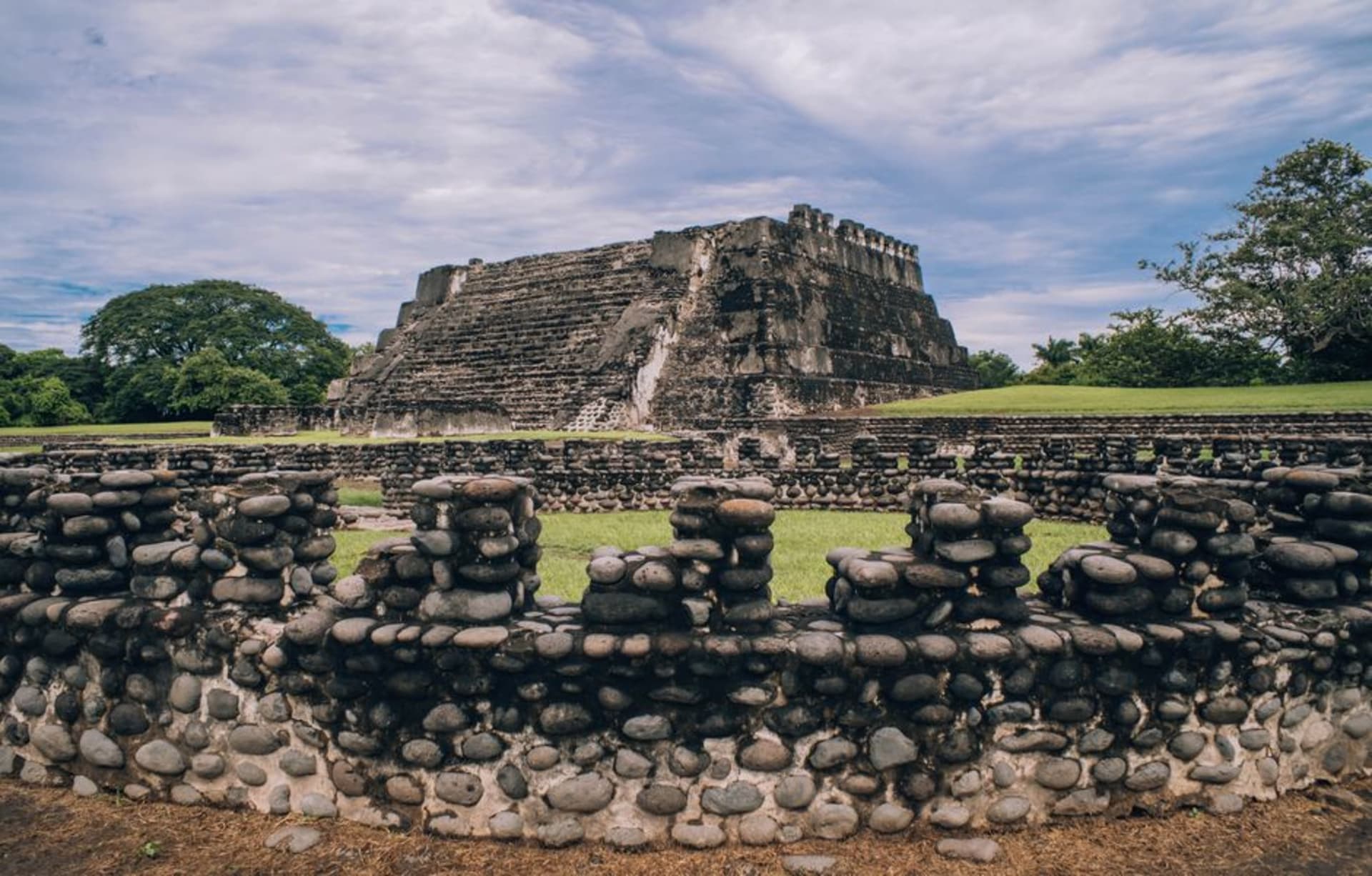
The Fuerte de San Carlos was completed in 1776, the Spanish crown’s statement of authority over the route between the port of Veracruz and the capital. It is star-shaped — the classic Vauban design — and big in the way that eighteenth-century colonial construction gets big: not tall, but dense and insistent, occupying a great deal of ground with a slow, heavy authority. Standing outside the outer walls, I understood immediately what it was meant to communicate. The message has not aged out.
What happened inside is more complicated than the architecture suggests. After independence arrived, the fortress became a prison. Guadalupe Victoria — the man who would become Mexico’s first president — was held here. So was Nicolás Bravo. The dungeon section is half-collapsed and open to the Perote wind, and it still carries the weight of that specific history. There is minimal signage, which somehow makes the whole thing heavier. You are left to figure out the geometry of confinement yourself, pacing between broken walls while the altiplano light moves across the stone.
Memelas Before the Cold Returns
The market on Calle Zaragoza opens early and smells of wood smoke and chile. I sat at a comal — a wide clay griddle set over open flame — and ordered memelas, the thick oval masa cakes pressed by hand and topped with black beans and fresh salsa. The woman making them did not look up. She pressed and turned and pressed again with the efficiency of someone who has done this ten thousand times, which she probably has.
Perote’s version comes with chile de agua, the long green-yellow pepper common in Oaxaca and the Puebla borderlands, mild but with a clean vegetal heat that arrives after you swallow. It came sliced raw alongside the memelas with a wedge of lime I did not need but used anyway. The altitude makes you hungrier than normal — the body quietly burning more to compensate for the thin air — and the food here seems calibrated exactly for that condition. I ordered two memelas, then a third, and felt much better about the wind.
What the Plateau Does to an Afternoon
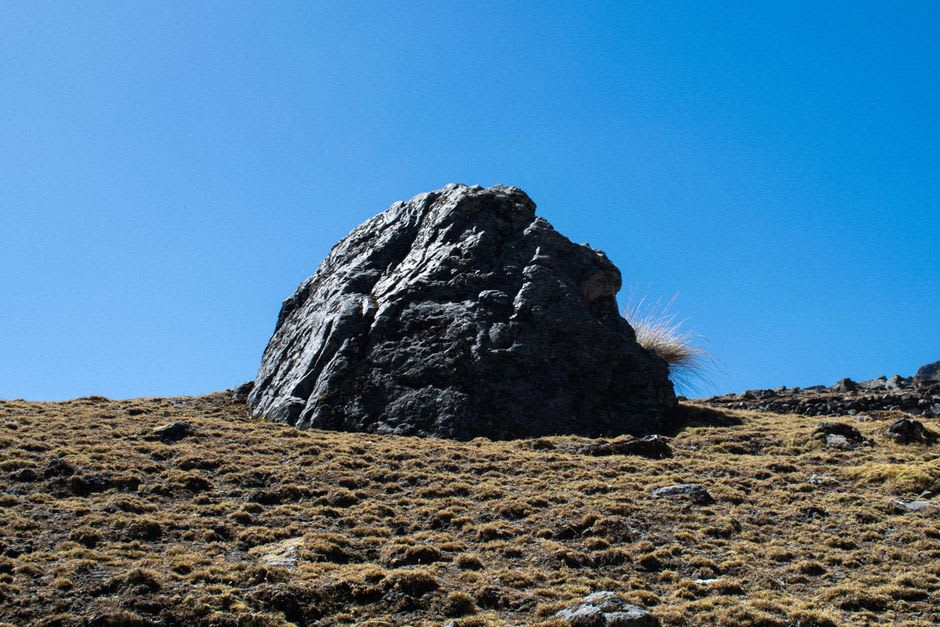
Perote is a transit town by nature — everyone passing through toward somewhere with better weather — but it has a flatness I mean as a genuine compliment. No performance for visitors. The market women sell white onions and bunches of dried herbs and do not acknowledge the camera. The plaza benches face a bandstand that no one seems to use. To the west, the Cofre de Perote volcano sits above the treeline, an extinct shield volcano with the silhouette of a lid set slightly askew on something no longer simmering.
I had given myself one afternoon and wished afterward that I had given it two — not for any specific experience, but for the quality of the late light on the fortress walls and the sensation of being genuinely between places, climate zones, histories. Some towns reward patience. Perote is one of them.
Getting There
ADO runs regular direct buses from Xalapa to Perote, roughly ninety minutes along the toll highway. From Puebla, the ride is about two hours. From Veracruz city, expect two and a half hours via Xalapa. Most buses stop on the main avenue within walking distance of the fortress. There is no train. Perote is an easy day trip from either Xalapa or Puebla, though an overnight stay changes the character of the visit.