
Alvarado
"Alvarado does not perform for tourists. It performs for itself, and you are welcome to watch."
I got off the bus from Veracruz city at noon, when the heat was sitting hard on the concrete and the smell of the estuary hit me before the terminal did — diesel, salt, something frying in lard. Alvarado does not ease you in. A man in rubber boots was arguing loudly with a fishmonger about price; three kids dangled their legs off a dock; someone’s cumbia competed with a television news anchor from an open doorway. I had come to eat camarones ahumados and see the river meet the sea. I had not expected to like the place this much.
Smoke, Salt, and the Morning Catch
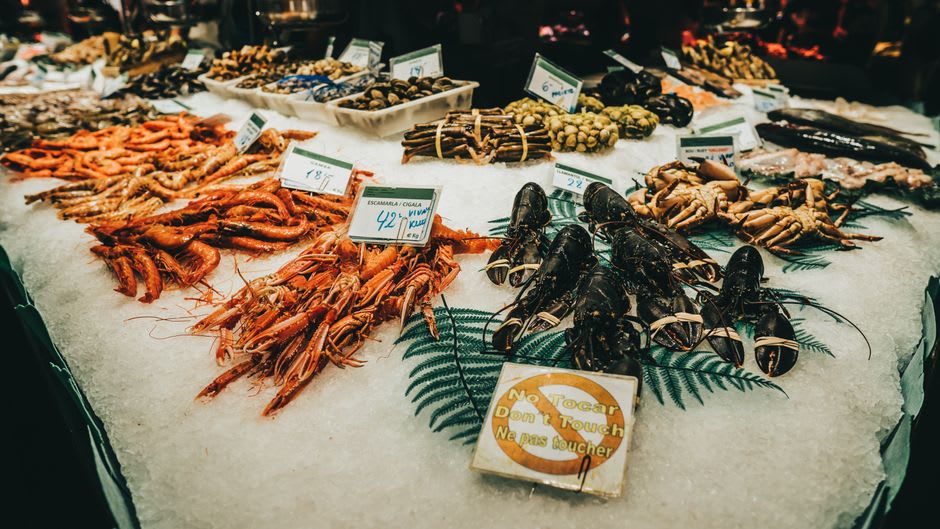
The real action at the Mercado Municipal starts around seven, when the night boats come in and the sorting begins on the dock. By eight the fondas along the malecón have their comals lit and their cazuelas going. The specials board — if there is one, and often there isn’t, because the cook already knows what she has — is essentially whatever arrived in the nets that morning. I found Fonda Lupita on my second day, tucked under a blue tarp near the corner of Avenida Independencia, and sat at the plastic table closest to the fan. The camarones ahumados came in a clay bowl with a stack of tortillas and a salsa verde with enough heat to make conversation stop. She also made a caldo de jaiba — blue crab broth with chiles and epazote — that I thought about for the rest of the week. Alvarado’s seafood is not refined. It is loud and smoky and tremendous, which is more or less the same thing.
The Sharp Tongue of the Alvaradenses
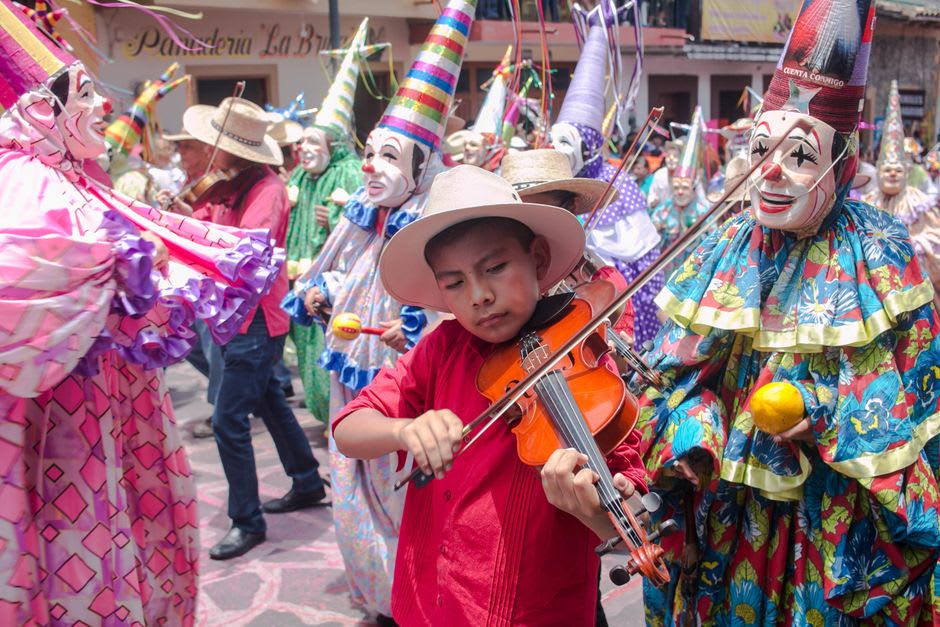
Alvaradenses have a reputation across Mexico for being the funniest, most irreverent people in the republic — a claim many Mexican cities make, but Alvarado has a carnival to back it up. The Carnaval de Alvarado runs in February, usually a week before Veracruz city’s better-known version, and locals will tell you with complete sincerity that theirs is superior. I happened to be there on an ordinary Tuesday in October, which is to say: not carnival. It didn’t matter. The verbal sparring between the taco vendor and his neighbor over whose radio was too loud, the running commentary from the old man on the corner about passing bicycles, the pure cheerful hostility with which a boat captain greeted a late passenger — all of it carried that same performance energy. The joke is always on someone. You rotate in and out of being the butt of it. It is genuinely charming, in the way that things are charming when they have nothing to prove.
The Río Papaloapan at Dusk
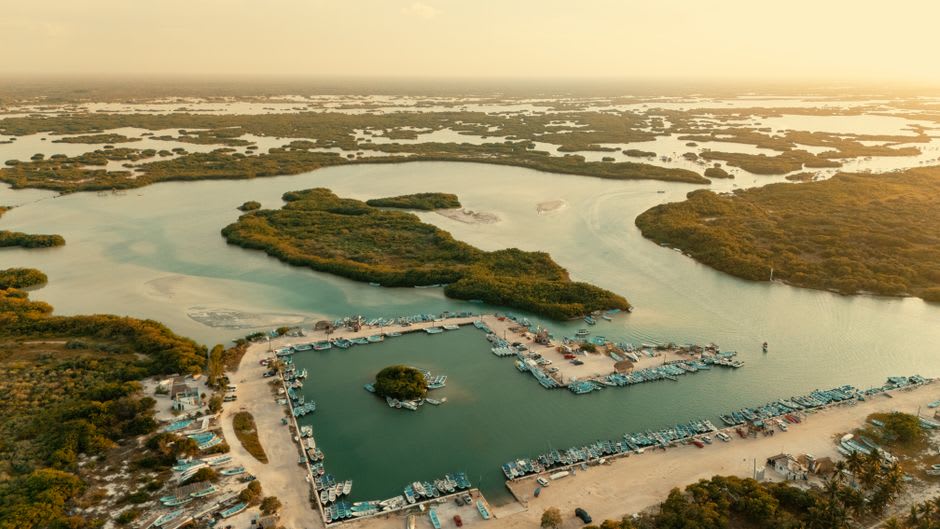
Around five in the afternoon the light on the Río Papaloapan goes amber and the wooden lanchas start coming in for good. I walked the malecón from the old lighthouse end down toward the bridge and watched fishermen rinse their boats with the unhurried efficiency of people who have done this ten thousand times. A pelican sat on a piling with the specific dignity of a creature that knows it belongs there. Across the estuary, the far bank — flat, green, utterly silent — made the whole port feel like it existed at the edge of something much larger. Which it does: the Papaloapan drains half of Oaxaca before it reaches here, and you can feel the weight of all that distance in the color of the water. I bought a mango with chile from a cart and stayed until the light was entirely gone.
Getting There
ADO and AU buses connect Alvarado to Veracruz city in about an hour and a half, leaving from the CAMET terminal. From Oaxaca or Mexico City you will come through Veracruz in any case. There is no elegant way to arrive — you emerge from the terminal and the town immediately starts talking at you — but taxis to the malecón cost almost nothing and the center is a ten-minute walk from anywhere.