Calpulalpan
"The pulque in Calpulalpan is served cold in a clay bowl and it tastes like Tlaxcala — earthy, specific, not trying to be anything else."
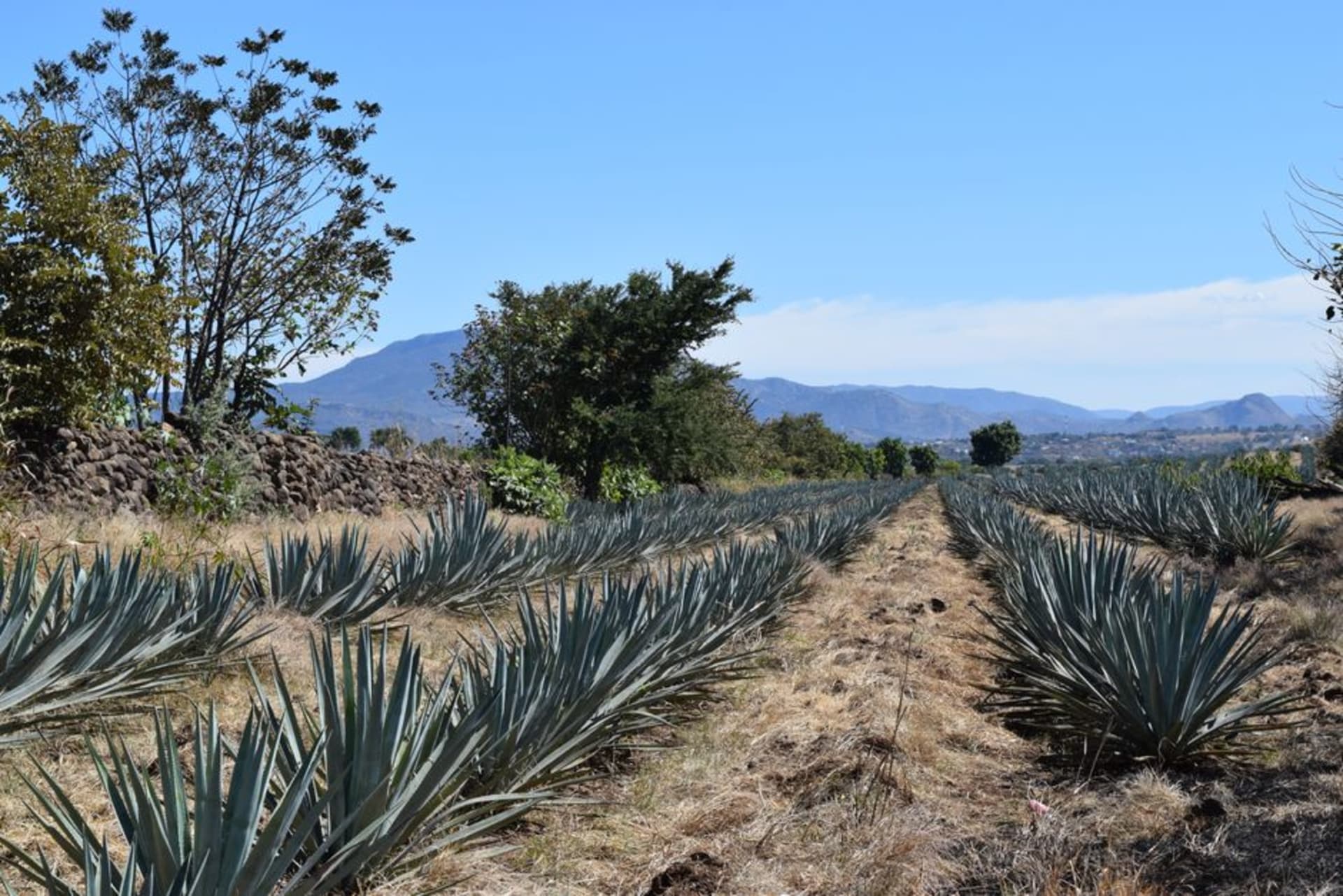
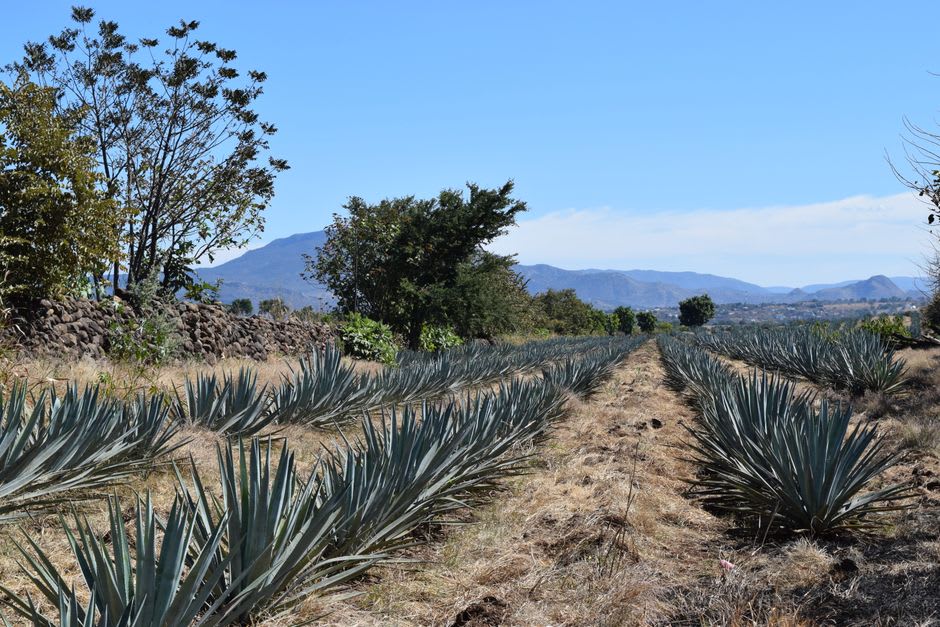
I came to Calpulalpan on a Thursday, which turned out to be the right day. The market on Avenida Morelos was still running past noon — stalls selling memelas with requesón, barbacoa folded in pencas de maguey, and the kind of consomé that requires no further explanation. I had given myself a few hours. I stayed until the light turned orange over the tlachiquero’s field across from the church, watching a man draw aguamiel from a maguey plant that had been growing in that same spot longer than anyone in the market could say.
A Drink That Never Left
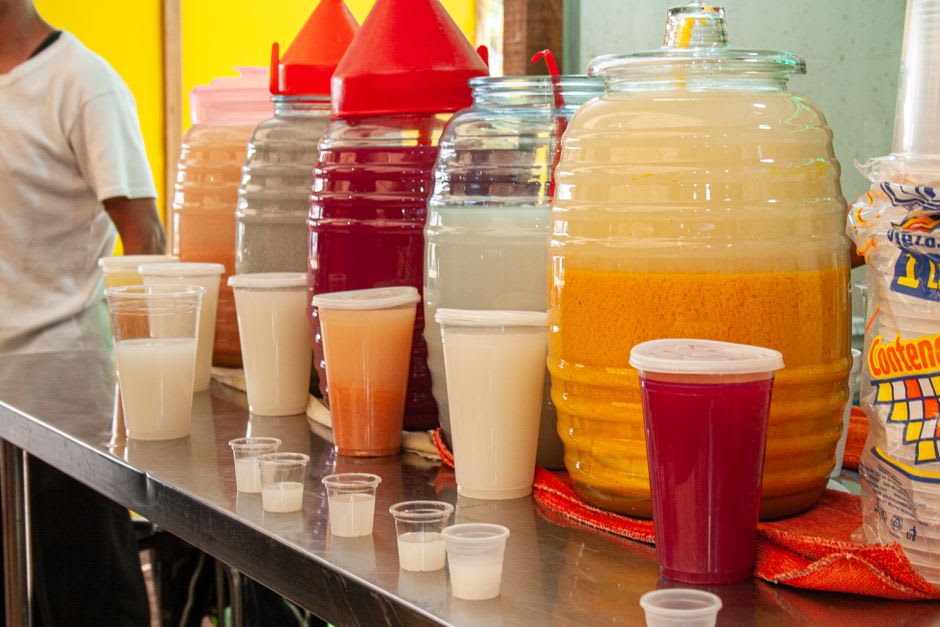
The defining thing about Calpulalpan is that pulque here is not a cultural revival or a heritage attraction. Nobody has reclaimed it. It never left. Walk down Calle 2 de Abril past the second abarrotes, look for the door that is slightly open in the afternoon, and go in. The pulquerías operate on the logic of freshness: they open when the new batch has settled, close when it is gone. No sign is necessary because the schedule is understood. Pulque arrives in a clay bowl called a chivato — cold, thick, faintly carbonated — and it tastes of the specific maguey varieties grown in these eastern Tlaxcalan fields: earthy and mineral, with a grassy sourness that softens as you drink it. The curado is available too, usually guayaba or apio, but natural is the correct order for a first visit. I ordered natural both times I went.
The Haciendas and the Tinacales
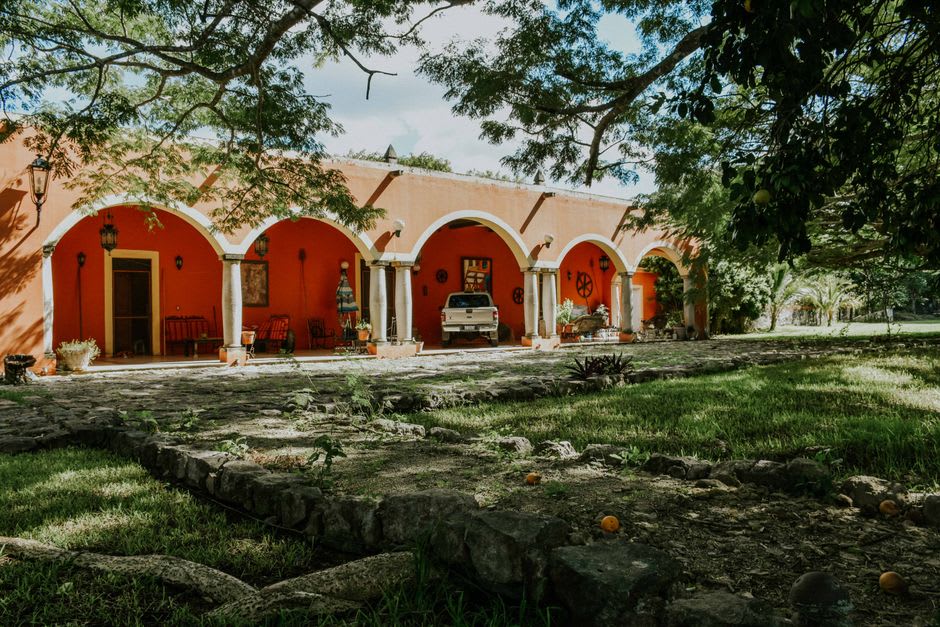
The great Porfiriato-era haciendas that built the pulque industry around Calpulalpan are still standing — Hacienda Tecajete and Hacienda San Antonio Ometoxtla among them — not restored and not quite ruins, but somewhere in between, which feels more accurate. The industrial tinacales, the fermentation halls, still hold their enormous stone and masonry vats. On a quiet weekday morning you can walk through them without interpretation and work out for yourself how the operation ran: the maguey hearts tapped at dawn, the aguamiel carried in from the fields, the pulque loaded onto trains bound for Mexico City within twenty-four hours of fermentation. The tlachiqueros are still working the same fields outside. The haciendas were emptied out; the crop was not.
Where to Eat and When to Arrive
The market stall on the eastern side of the Mercado Municipal does memelas with frijoles negros and a salsa verde that has actual bite. Breakfast here, early, before the stalls rotate. For lunch, the barbacoa vendors near the plaza — cooked overnight in maguey leaf — arrive with the morning and run out by early afternoon. The pulquerías are best visited between two and six, when the day’s batch has reached temperature and the afternoon crowd has thinned. Ask anyone at the market which door is open; they will tell you without making anything of it.
Getting There
From TAPO in Mexico City, Estrella Roja and Flecha Azul both serve Calpulalpan directly; the ride is around two hours. From Tlaxcala city, take a bus to Apizaco and change there for Calpulalpan — about ninety minutes total. The town center is entirely walkable. For the haciendas on the outskirts, a local mototaxi from the plaza is the practical option and costs almost nothing.