Villahermosa
"The Olmec built the first complex civilization in Mesoamerica. They left no written language. They left these heads — portraits of specific people, carved from basalt boulders transported 100 kilometers from the mountains."
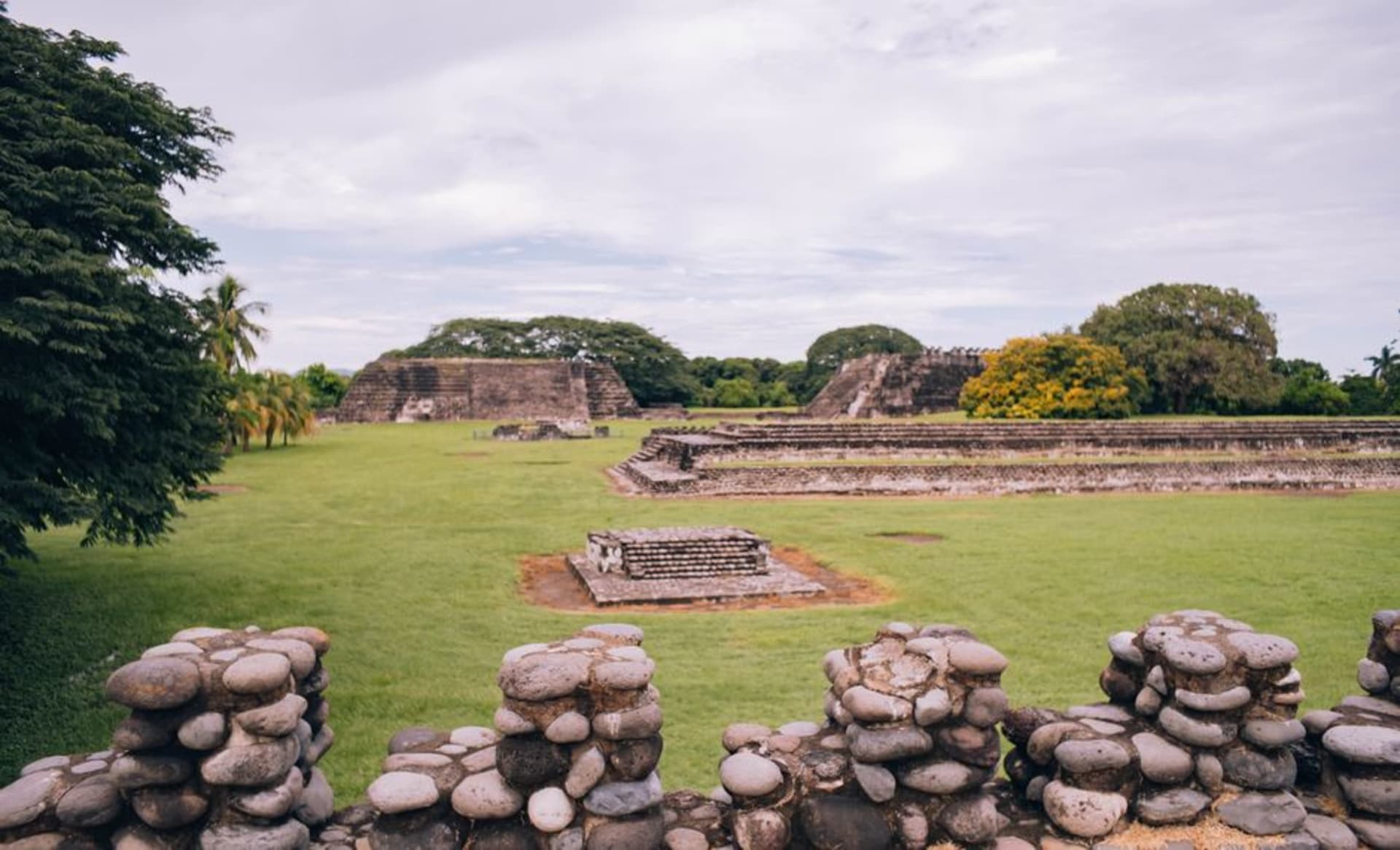
Villahermosa is the capital of Tabasco, Mexico’s smallest mainland state and its most underestimated one. The city is hot, humid, oil-rich since the 1970s, and built on a landscape of rivers and wetlands where the Gulf of Mexico lowlands meet the foothills of the Sierra de los Tuxtlas. It is also the site of Parque-Museo La Venta — an outdoor museum that displays the largest collection of Olmec monumental sculpture outside of an archaeological site, arranged in a tropical park where the colossal basalt heads emerge from vegetation with the specific uncanniness of objects that are simultaneously ancient and strangely present.
Parque-Museo La Venta
The Olmec civilization (1500-400 BCE) is the mother culture of Mesoamerica — the precursor from which the Maya, Zapotec, Totonac, and Aztec civilizations all derive significant elements of their cosmology, calendar, architecture, and art. The Olmec heartland was the Gulf coast lowlands of what are now Veracruz and Tabasco states, and their most remarkable artistic achievement was the colossal heads: large-scale portrait sculptures of specific rulers, carved from single basalt boulders that weighed up to 40 tons and were transported from quarries in the Tuxtla mountains, 80-100 kilometers away, without wheeled vehicles or draft animals.
La Venta, an Olmec ceremonial center built between 1200 and 400 BCE on an island in a Tabasco swamp, produced the finest concentration of Olmec monumental sculpture — four colossal heads, seventeen throne altars, and dozens of smaller monuments. When the site was threatened by petroleum exploration in the 1950s, the poet and anthropologist Carlos Pellicer organized the transfer of the sculptures to a park in Villahermosa, where they have been displayed since 1958 in the tropical vegetation that approximates the original Gulf coast environment.
Walking through the park, you encounter the heads emerging from the vegetation without prior announcement — a colossal face at eye level between the trees, the basalt surface traced with the specific individual features (this person’s slightly flattened nose, this person’s fuller lips) that the Olmec sculptors rendered with accuracy from life. The effect is of meeting someone very old.
Beyond the colossal heads, the park contains Altar 5 — a throne monument showing a figure emerging from a niche in the stone while holding an infant whose features blend human and jaguar (the were-jaguar, the supernatural being at the center of Olmec cosmology) — and the Monumento 77, a large carved tablet that is the earliest known representation of the ballgame in Mesoamerican art. The park also has a crocodile lagoon, anteaters, and the specific atmosphere of tropical vegetation in a city built on oil money where the ancient objects refuse to be domesticated.
Tabasco and Cacao
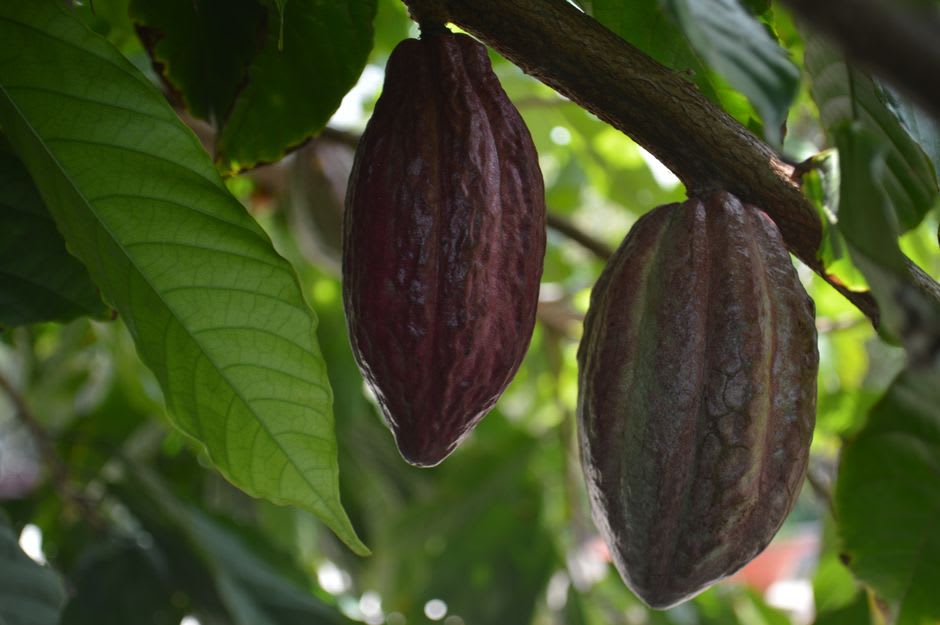
Tabasco state is the origin point of cacao cultivation — the Olmec and Maya of the Gulf coast lowlands were growing and processing Theobroma cacao for at least 3,500 years before the Spanish arrived. The cacao grown in Tabasco today — primarily the Criollo and Trinitario varieties, the aromatic heritage cultivars — produces some of the finest raw chocolate material in the world.
The Museo del Cacao in Villahermosa and the plantations accessible from the city (the Hacienda La Luz south of the city runs excellent cacao-to-chocolate tours) provide context for what the Olmec discovered and the Spanish brought to the world. The traditional tejate — a pre-Columbian drink made from cacao, mamey sapote seeds, corn, and the flower of a magnolia relative — is available in the markets and represents the drink as it existed before sugar arrived.
Practical Villahermosa
The city is not beautiful in the way that a colonial city is beautiful, but it has the energy of a place that has money and doesn’t particularly need to impress visitors. The Zona CICOM — a riverside cultural complex built by the petroleum wealth — contains the Regional Museum of Anthropology (with complementary Olmec and Maya collections to the park sculptures) and performance spaces.
Getting there: Villahermosa airport has direct flights from Mexico City, Monterrey, Guadalajara, and several US cities. ADO buses from Palenque (2.5h), Veracruz (5h), Mexico City (12h). Parque-Museo La Venta is a taxi ride from the historic center (15 minutes).
When to go: November through February for the least brutal heat. Tabasco is among Mexico’s hottest and most humid states; the climate is genuinely challenging from April through October. La Venta is open year-round but morning visits are strongly recommended.