Tenosique
"I watched a man in a spotted jaguar costume sprint past a taquería at ten in the morning and nobody looked up — that is the kind of normal Tenosique has."
I got off the bus on a Thursday afternoon in February and walked straight into a jaguar. Not a real one — though the jungle starts close enough to the edge of town that you might wonder — but a man in a spotted suit, his painted wooden mask askew from running, weaving through traffic on Calle Central like he had somewhere urgent to be. Nobody honked. The taquería vendor did not look up from his comal. I stood on the sidewalk with my bag and understood immediately that I had arrived somewhere that had decided long ago what it was. Tenosique does not perform strangeness. It simply is.
The Pochó and the Logic of Carnival
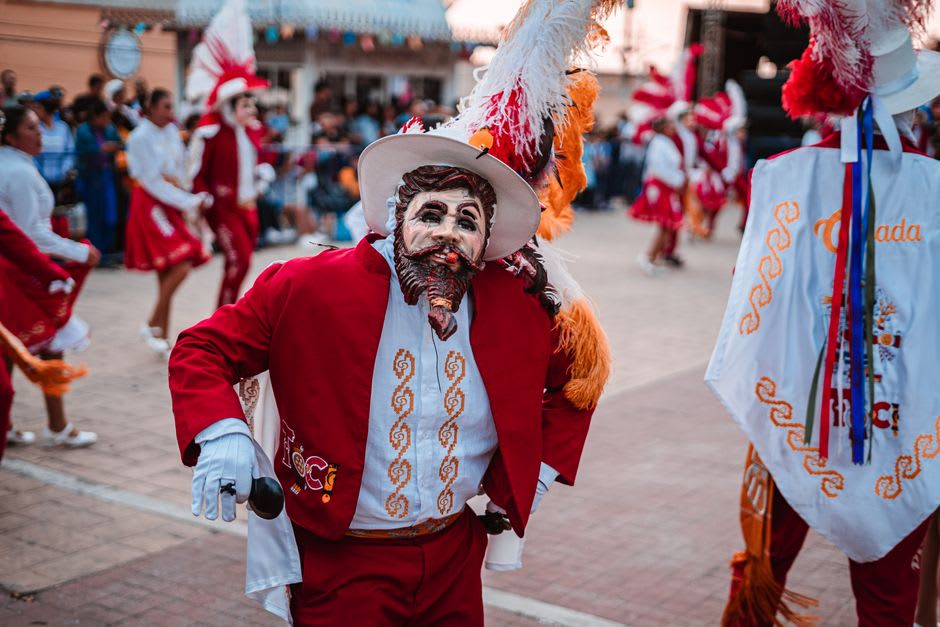
The Carnival in Tenosique is one of the stranger things I have witnessed in Mexico, and I mean that as the highest compliment. It draws from pre-Hispanic Maya ritual rather than the Catholic tradition that shaped most Mexican Carnivals — the result is something older, odder, and more convincing. The central figures are the pochó: men who dress in animal skins or spotted cloth and carved wooden masks, embodying jungle spirits whose names predate the colony by centuries. They pursue the xibalbá — devil figures dressed in black — through the streets in a ritual that enacts the eternal contest between the wild world and the underworld. The dancing is not performative. It continues for days, fueled by communal chicha and the particular serious joy that comes from doing something your ancestors did. If you time your visit for late January or early February, you will find the entire town reorganized around it. The municipal plaza becomes a stage, the surrounding streets a maze of competing sound systems and food stalls, and the pochó appear at all hours with no announcement. That detail is what I keep returning to: no schedule, no warning. You turn a corner and the jaguar finds you.
Boca del Cerro and the Usumacinta
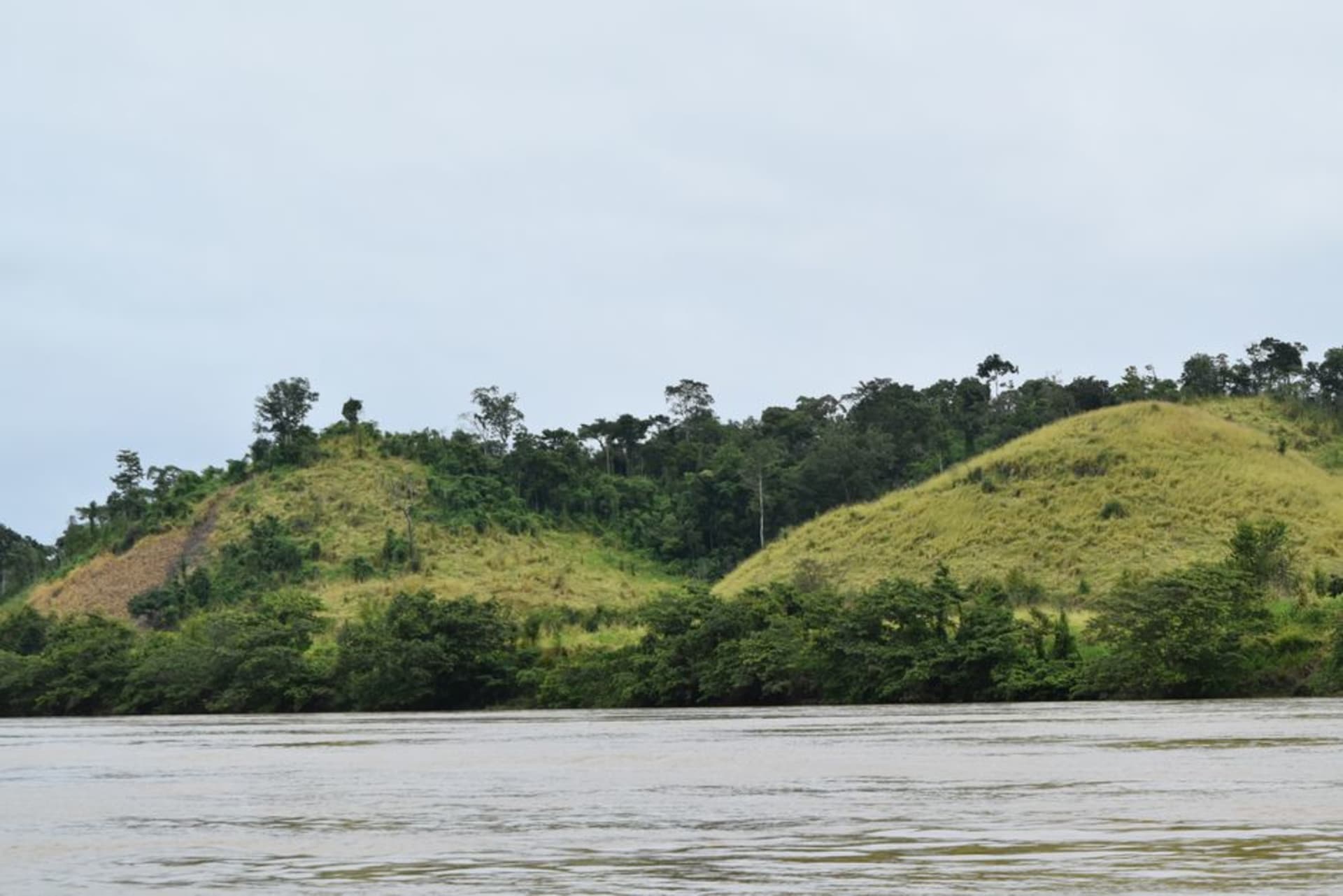
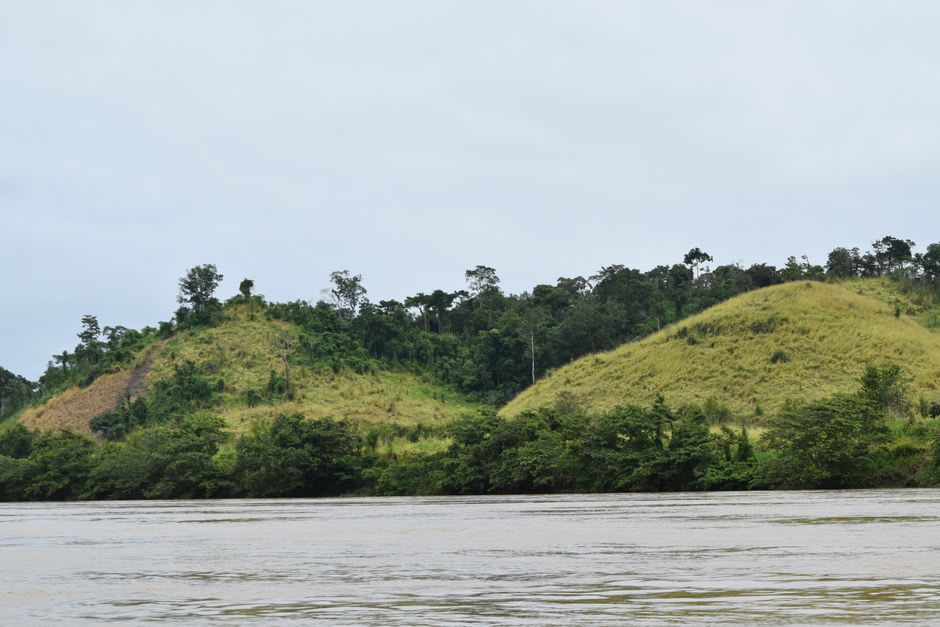
Eight kilometers upstream from town, the Usumacinta forces itself through a limestone canyon so narrow that from a boat on the water, the sky shrinks to a blue slot between walls of green. This is Boca del Cerro — the mouth of the hill — and it is one of those places where scale reasserts itself without warning. The Usumacinta is the largest river in Mexico by volume; it does not feel like a gentle thing anywhere, but here it announces itself plainly. You can hire a lancha from the embarcadero at the edge of town for a few hundred pesos. The boatman will take you through the canyon passage and, if the water is high enough, further toward the Guatemalan border, where the river widens and herons stand in the shallows like they are waiting for something. Back in town, the river defines the pace of everything. The light on the water in the late afternoon — that specific bronze that only tropical rivers carry — is reason enough to stay an extra day rather than push on.
Pejelagarto and the Mercado
The local obsession is pejelagarto — an armored, prehistoric-looking fish pulled from the Usumacinta and surrounding lagoons, grilled whole and served with rice, toasted chiles, and handmade tortillas in the mercado municipal on Avenida 28 de Noviembre. It has a strong, particular flavor that splits opinion; I am firmly in the favorable camp. The market also sells smoked pejelagarto wrapped in banana leaves, which travel well if you are heading toward Guatemala. In the evenings, taquería stands on Calle Central serve cochinita pibil in a noticeably smokier style than what you find in Yucatán — the Tabasco variation leans harder on the chile and lighter on achiote. There is a palapa restaurant on the riverbank whose name I did not catch that serves cold Montejo and whole fried mojarra to river workers and truck drivers. The company improves the meal considerably.
Getting There
Tenosique is roughly 180 kilometers southeast of Villahermosa — about 2.5 hours by car or three to four by bus from the ADO terminal there. From Palenque the drive is around 130 kilometers through jungle lowlands. Aim for February if you want Carnival; November through February is manageable in terms of humidity. The Guatemalan border crossing at La Palma is thirty minutes further south by collective or taxi.